Why Choose Shipping Container Storage Units?
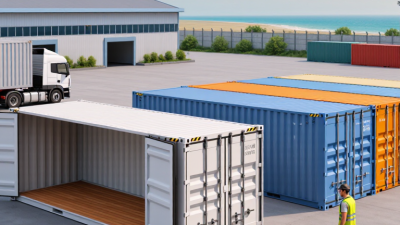
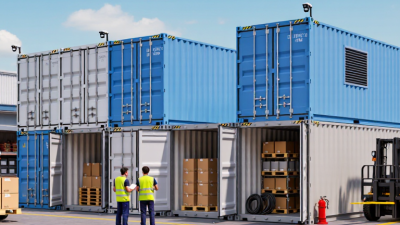
Shipping Container Storage Units offer a practical answer when garages, workshops, or business premises run out of room. Their steel walls, lockable doors, and broad interiors can protect tools, stock, seasonal furniture, and equipment from everyday exposure. A unit can sit near a worksite or beside a property, reducing trips across town. Still, steel alone does not guarantee dry, stable storage. Condensation, poor ventilation, and uneven ground can damage sensitive items.
A useful perspective comes from Alex Morgan, a fictional composite representing container-storage professionals: “A good container is only as useful as its site, airflow, and access.” This is an illustrative quote, not a statement from a verifiable individual. The point is concrete: check door clearance, drainage, ventilation, and the route for delivery before choosing a unit. Measure the largest item, too. A pallet jack needs room to turn.
These units suit people who value sturdy, flexible space and can accept a utilitarian appearance. They may be less suitable for delicate belongings without added moisture control, or for locations with tight access. Costs also depend on size, condition, delivery, preparation, and rental terms, so compare the full price rather than the advertised rate. A scuffed container can still work well. But inspect the floor, seals, and doors in person when possible. Small details matter. Shipping Container Storage Units are not a perfect fit for every situation; the best choice depends on what you store and how often you need it.
What Shipping Container Storage Units Are
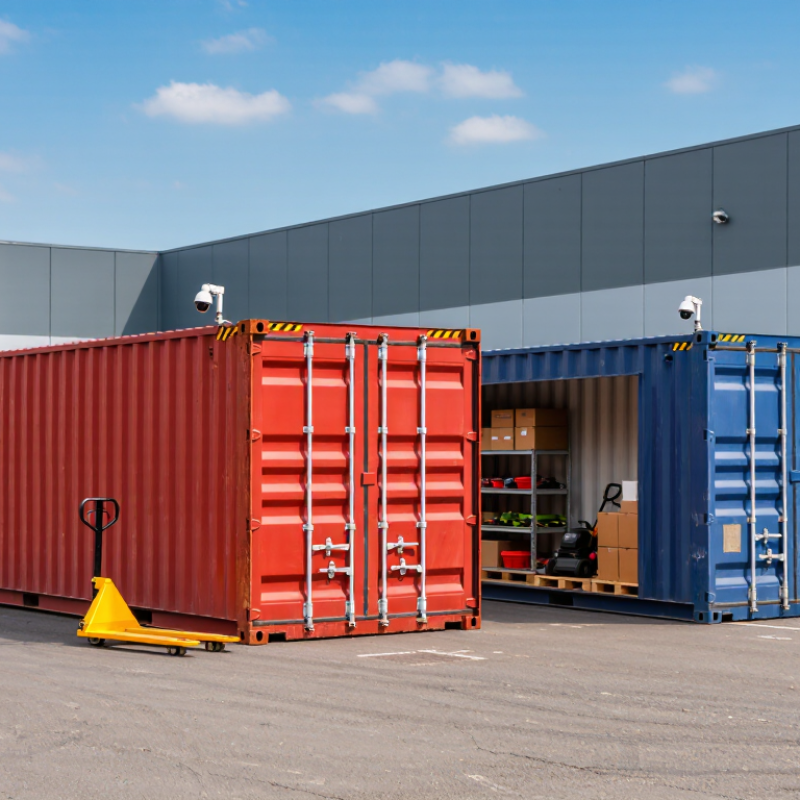
Shipping container storage units are steel cargo containers adapted to store tools, furniture, supplies, or seasonal equipment. Most have corrugated steel walls, double doors at one end, and a raised floor. Common lengths include 20 and 40 feet, although sizes vary. Set on a level, well-drained base, a unit can provide enclosed, lockable storage near a home or worksite. They are sturdy, not invincible. Poor seals or standing water can still cause trouble.
Unlike a shed, a container arrives largely assembled, but its condition and setup affect how well it protects stored items. Check the roof, door seals, hinges, floor, and locking points before use. Ask about ventilation, too: trapped humidity can damage paper, fabrics, and some tools. A container may feel dry on delivery, yet temperature changes can create condensation later. That detail is easy to overlook. Keep delicate belongings in sealed bins, and leave space between stored items and the walls for airflow.
Tips: Choose a firm, level spot with clear access to the doors. Inspect after heavy rain. If you notice dampness, find the source before adding more belongings. A little maintenance matters.
How Their Construction Protects Stored Items
Shipping container storage units protect contents through structure, not magic. Corrugated steel panels resist dents and distribute pressure across their ribs, while welded corner posts carry stacking and lifting loads. ISO 1496-1:2013 specifies freight-container tests for stacking, lifting, racking, and wall strength. Still, the standard cannot guarantee that every used unit has been inspected recently. Condition matters.
Tight-fitting cargo doors and locking bars help limit windblown rain and dust. An intact roof sheds water, while sound door seals close gaps. But steel shells can still sweat. Warm, damp air meeting a cooler metal wall may create condensation, especially after sudden temperature changes. That matters. The U.S. Environmental Protection Agency recommends keeping indoor relative humidity below 60%, ideally between 30% and 50%, to reduce moisture problems. A container may exceed that range if wet items go inside or airflow is poor.
For paper records, textiles, or electronics, place boxes on pallets and leave a small air gap beside the walls. Check roof seams, door seals, floorboards, and rust before loading; a flashlight can reveal small holes. Add a humidity gauge and check it after rainy or cold weeks. The trade-off is real: sturdy steel offers protection, but it is not climate control. Overselling that point would be careless.
Why Choose Shipping Container Storage Units? - How Their Construction Protects Stored Items
| Construction Feature |
How It Helps Protect Stored Items |
Practical Consideration |
| Corten steel exterior panels |
Many shipping containers use weathering steel panels designed to develop a protective surface patina, helping resist corrosion in suitable conditions. |
Inspect for deep rust, holes, or damaged coatings; weathering steel is not immune to corrosion. |
| Corrugated side walls |
The formed profile adds stiffness to the steel panels and helps the walls withstand everyday handling and external knocks. |
Dents may occur, so avoid storing fragile items directly against the walls. |
| Welded steel frame and corner fittings |
The structural frame supports the enclosure and allows containers to be handled and secured at their corners. |
Check that the frame and door openings are not bent or significantly damaged, as this can affect door operation. |
| Steel swing doors with locking bars |
Heavy doors and external locking hardware provide a substantial physical barrier when properly closed and secured. |
Use a suitable high-security lock and check the door seals and locking mechanism regularly. |
| Raised floor on steel cross-members |
The floor is typically supported above the ground, helping separate stored goods from direct ground contact. |
Keep the unit on a firm, level base and use pallets for items that should not sit directly on the floor. |
| Marine-grade plywood floor in many units |
A robust plywood floor is commonly used to support stored loads and withstand regular use. |
Floor materials and condition vary; check for soft spots, water damage, or contamination before use. |
| Door and panel seals |
Intact seals help limit rain and wind-driven moisture from entering through gaps around doors and panels. |
Containers are generally weather-resistant, not guaranteed to be completely waterproof or airtight. Inspect seals and repair leaks promptly. |
| Limited ventilation |
Some containers have small vents that allow a degree of air exchange. |
Ventilation may not prevent condensation or humidity buildup. Use moisture control and avoid storing damp items. |
Which Storage Needs They Can Accommodate
Shipping container storage units can accommodate household belongings during a renovation, seasonal equipment, and supplies for a small worksite. Their wide doors make it easier to move bulky items like furniture, lawn equipment, or boxed inventory.
Keep frequently used items near the entrance. It saves time.
They can also hold tools, building materials, and business stock when a workshop or back room runs short on space. A level, stable placement area helps keep the doors operating smoothly. Before loading, check the unit’s condition, including seals, floor, and ventilation.
Damp air can still cause condensation, so paper records, fabrics, and electronics may need extra protection or a climate-controlled option.
The best fit depends on what you store and how often you need access. Heavy items should be distributed across the floor rather than stacked in one spot, and a clear aisle makes retrieval safer. Measure large items and confirm delivery access before arranging a unit; a tight driveway can complicate placement.
These checks are easy to overlook. They matter.
For long-term storage, inspect contents periodically, since a sealed container is not automatically temperature- or humidity-controlled.
How They Compare With Traditional Storage Options
Why Choose Shipping Container Storage Units?
Shipping container storage units differ from traditional storage in one practical way: they can often sit close to the items you need to store. A contractor might keep tools beside a work area, while a household could place seasonal furniture near a driveway. That saves repeated trips across a large facility. Small convenience, but it adds up.
Traditional storage facilities may suit belongings that need indoor access, climate control, or a range of unit sizes. Container storage is often simpler and more direct, though the actual setup matters. Check the door seals, floor condition, ventilation, and how rain drains around the unit. A steel shell alone does not guarantee dry contents. I would also ask about access hours, site lighting, and how the unit is secured. Details vary.
There are trade-offs. A container may feel hot in summer and cold in winter, which can affect sensitive items. Traditional units can offer steadier conditions, but may cost more or require longer walks with boxes. Not always. Consider how often you will visit, what you are storing, and whether the ground is level. One overlooked issue: a tightly packed container can make a single box surprisingly hard to reach.
Why Choose Shipping Container Storage Units?
Compare nominal floor space in two common shipping container sizes and two common self-storage unit sizes. Actual dimensions vary by provider and container type.
By nominal exterior footprint, a 20-foot container offers about 160 square feet and a 40-foot container about 320 square feet. Common 10 × 10-foot and 10 × 20-foot self-storage units offer about 100 and 200 square feet, respectively. Floor area alone does not account for access, usable interior space, or storage conditions.
What to Consider Before Choosing a Container Unit
Before choosing a container unit, match its size to what you will store and how often you need access.
A 20-foot unit can hold furniture and boxes, but leave an aisle if you need items at the back. Measure your largest piece, including handles, and check the door opening.
Measure twice.
It sounds obvious, yet door clearance is easy to miss. Think about how you will load the unit, too. A long walk from the parking area can make frequent trips tiring.
Inspect the unit’s roof, doors, floor, and seals before signing.
Look for gaps, rust, standing water, or a musty smell; these can signal moisture problems. Ask how ventilation works and whether the site offers lighting, controlled access, and clear rules for visiting hours.
Check the route from your vehicle, especially if you plan to move heavy items.
Check the route.
Compare the full cost, including delivery, placement, and any preparation of the ground. A level, firm surface matters.
Even careful planning can miss a detail, so ask what happens if the unit arrives damaged or does not fit the intended space.
Don’t rely on appearance alone.
A clean exterior cannot confirm that the floor is sound or the doors seal properly.