China Top Storage Container Delivery Manufacturers?
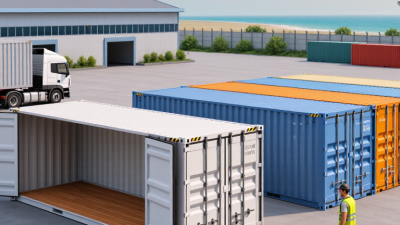
Choosing among China’s top Storage Container Delivery manufacturers requires more than comparing factory prices. Buyers should examine container quality, production experience, loading methods, transport partnerships, and after-sales support. A strong manufacturer can provide inspection records, corrosion-resistant materials, clear dimensions, and realistic delivery schedules. Photos are useful. Physical samples are better.
Supply-chain consultant Dr. Michael Schaecher explains, “A container is not delivered when it arrives; it is delivered when it is safely placed and accepted.” This principle deserves attention. Delivery includes factory coordination, export documentation, route planning, unloading, and final positioning. A damaged corner, unsuitable truck, or narrow access road can create unexpected costs.
The best manufacturers usually communicate clearly before production begins. They confirm steel thickness, door hardware, flooring, paint systems, lifting points, and destination requirements. They also identify risks early. That matters for buyers importing standard units, modified containers, or project-specific storage solutions.
Still, no ranking remains perfect. Manufacturer capabilities change, shipping conditions fluctuate, and online claims may lack independent verification. Some suppliers appear impressive but provide limited evidence of completed deliveries. Buyers should request recent project references, third-party inspections, production photographs, and written warranty terms.
This guide compares leading Chinese manufacturers through practical criteria rather than advertising language. It considers product reliability, customization, export experience, delivery coordination, and customer support. The final choice should fit the site, budget, timeline, and intended use. A low purchase price can become expensive when delivery planning is weak.
China’s Container Market: 295.9 Million TEU Handled in 2023
China Top Storage Container Delivery Manufacturers?
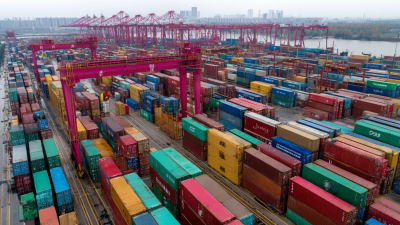
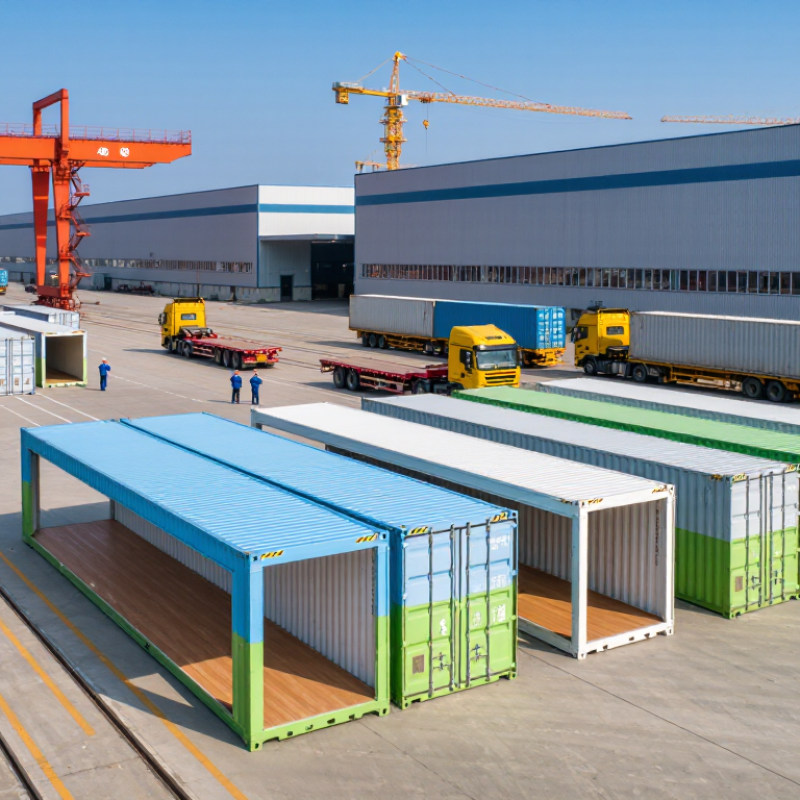
China’s ports handled 295.9 million TEUs in 2023, according to the Ministry of Transport’s annual statistical bulletin. That volume rose about 6.4% year on year. The figure shows why storage-container demand extends beyond coastal terminals. Warehouses, construction sites, farms, and inland distribution yards all need reliable steel units.
The scale is substantial. Very substantial.
UNCTAD’s Review of Maritime Transport 2024 also describes continued pressure on port efficiency, equipment availability, and supply-chain resilience. For buyers, a capable manufacturer should offer more than low pricing. Check steel thickness, welding quality, corrosion protection, door alignment, and floor load performance. ISO 668 dimensions and ISO 1496 testing references provide useful technical benchmarks.
Delivery capacity matters equally. A practical supplier should confirm production schedules, inspection records, packing methods, and inland transport arrangements. Ask for photographs before dispatch. Request test documents. Small details prevent expensive site delays.
However, throughput alone cannot prove manufacturing quality. That assumption needs review. A factory may produce large volumes but still provide weak after-sales support or inconsistent specifications. Buyers should compare sample units, verify stated tolerances, and clarify replacement-part availability. Regional weather also changes the decision; humid ports require stronger corrosion control, while inland areas may prioritize insulation and temperature stability.
ISO 668 Dimensions and CSC Safety Standards for Storage Containers
When comparing China’s top storage container delivery manufacturers, standards matter more than polished photographs. Experienced buyers check ISO 668 dimensions before discussing paint, locks, or transport schedules.
20-foot container
A standard 20-foot container measures about 6,058 millimeters long, 2,438 wide, and 2,591 high externally.
40-foot unit
A 40-foot unit is about 12,192 millimeters long. Its width and standard height remain similar.
High-cube models
High-cube models usually add height, reaching approximately 2,896 millimeters.
These figures support safe stacking, handling, and compatibility with ships, rail equipment, trailers, and lifting systems. However, field measurements may vary slightly because of manufacturing tolerances, repairs, or damaged corner castings. We have seen drawings look correct while doors rub against uneven ground. That small detail can delay unloading. Ask for dimensional drawings, corner casting condition, floor height, and door opening measurements. Do not rely on nominal dimensions alone.
The CSC Safety Convention is equally important for a delivery decision. A valid CSC safety approval plate identifies the container, maximum gross mass, stacking limits, and inspection information. Inspectors should check the plate, frame, roof, doors, floor, and welds before acceptance. A container without clear documentation deserves careful review. Delivery providers should confirm lifting points, route restrictions, unloading access, and local inspection requirements. Photos help, but they cannot replace a physical inspection. I admit one practical weakness: rushed checks often focus on rust and overlook distorted corner posts. That mistake is preventable. Reliable manufacturers explain test records, repair history, and replacement procedures in plain language.
Key Ranking Metrics: Capacity, Lead Time, Quality, and Export Coverage
China’s leading storage container manufacturers should be ranked by measurable delivery performance, not catalog size alone. Drewry’s Container Census 2024 placed the global container fleet above 50 million TEU, showing intense demand for standardized equipment. A capable factory should disclose monthly output, steel procurement capacity, and available production slots. Capacity without confirmed materials can create delays.
Lead time should cover approval, fabrication, inspection, and port handover. Ask for a dated production schedule. UNCTAD’s Review of Maritime Transport 2024 reported continuing disruption and volatility across shipping networks. Therefore, export coverage matters. Suppliers with established routes to major ports can reduce booking risk and documentation errors. However, “global service” claims need evidence, such as shipment records, customs experience, and local service contacts.
Quality requires more than a fresh paint finish. Check compliance with ISO 668 dimensions, ISO 1496-1 testing requirements, and applicable CSC safety rules. Independent inspection should verify welds, door operation, floor loading, coating thickness, and water resistance. A low quotation may hide thinner steel or weaker flooring. I would also question unusually short lead times; sometimes the estimate excludes inspection or inland transport.
Tips: Compare at least three written quotations. Request factory photos, batch numbers, test records, and recent export references. Score capacity, lead time, quality, and export coverage separately. A simple weighted table is useful, but it is not perfect; performance can change with steel prices, port congestion, and seasonal orders.