Container Storage is more than placing goods inside a metal box. For businesses, the right solution can protect seasonal stock, spare parts, tools, or overflow inventory while keeping everyday operations accessible. The wrong setup can create friction: a container may look roomy until pallets block the rear doors. Space is money.
UNCTAD’s Review of Maritime Transport 2024 reports that more than 80% of world trade by volume is carried by sea. That figure shows the scale of container-based logistics, but it does not mean every business needs the same storage model. Martin Christopher, a respected supply-chain scholar, defines a supply chain as “the network of organizations that are involved, through upstream and downstream linkages, in the different processes and activities that produce value.” His definition, published in Logistics & Supply Chain Management, is a useful reminder: storage choices affect more than square footage.
This guide compares 10 Container Storage solutions for businesses, from standard units to modified and managed options. We’ll look at capacity, access, ventilation, security features, mobility, and likely operating trade-offs. A dry, secure unit may suit boxed stock; frequent picking may call for shelving and wider access. Measure twice. Still, no ranking can replace a site check, and real-world needs are easy to underestimate. The best fit depends on what you store, how often staff need it, and how the solution works alongside your existing workflow.
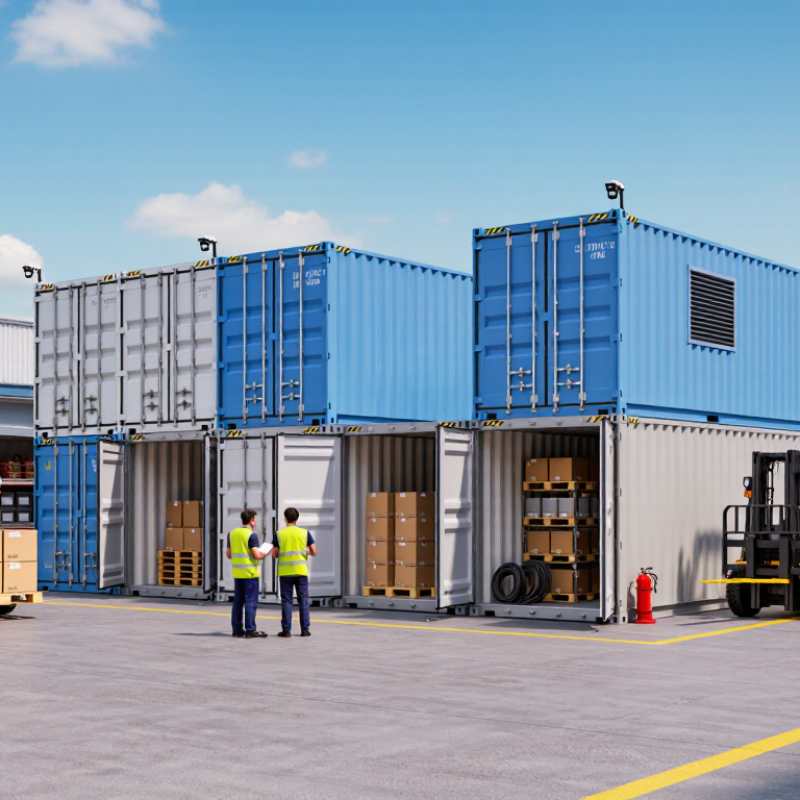
Container storage gives businesses a flexible way to keep tools, seasonal stock, records, or repair parts near daily work. The right setup depends on more than container size. How often staff need access matters. A unit holding spare pallets may be opened weekly, while a maintenance crew may enter several times each day. Those patterns affect the layout. Access matters.
Before choosing a unit, measure bulky items and leave a clear aisle for safe handling. Check the door width, floor condition, ventilation, drainage, and delivery route. Moisture can damage paper packaging and metal components, while heat may affect certain supplies. Not every operation needs climate control, but sensitive goods call for a documented temperature plan. A lock helps, yet lighting, access records, and staff procedures matter too.
Container storage works best when inventory records match physical placement. Label shelves by category, keep frequently used items near the doors, and review stock levels regularly. These habits reduce searching and help teams spot shortages. Still, the system is not foolproof. Labels fade, and rushed deliveries can leave items in the wrong place. Assigning someone to check the layout weekly can catch small errors before they disrupt a job. Site requirements, insurance terms, and emergency access are easy to overlook.
| Storage Solution | Best Suited For | Typical Configuration | Main Advantages | Operational Considerations |
|---|---|---|---|---|
| Standard dry container | Packaged goods, tools, furniture, and general equipment | Enclosed steel container, commonly available in 20-foot and 40-foot lengths | Weather-resistant, lockable, widely available, and suitable for many kinds of non-perishable inventory | Use pallets or shelving to improve access; inspect seals and ventilation needs, especially in humid conditions |
| High-cube container | Bulky, tall, or lightweight inventory that needs additional vertical clearance | Enclosed container with greater interior height than a standard-height unit; commonly 40 feet long | Provides extra vertical space for tall items or carefully planned shelving | Check that stored loads remain within floor-loading limits and that handling equipment can access the site |
| Refrigerated container | Temperature-sensitive food, ingredients, plants, and certain pharmaceutical products | Insulated container with a powered refrigeration unit and temperature controls | Can maintain a controlled temperature range when correctly installed and operated | Requires a reliable power supply, temperature monitoring, routine maintenance, and suitable airflow around cargo |
| Insulated container | Goods that need protection from rapid temperature changes but do not require active refrigeration | Container with insulated walls, roof, and floor; configuration varies by unit | Reduces heat transfer compared with an uninsulated container and can help protect sensitive stock | Does not actively cool or heat contents; assess local climate, condensation risk, and required temperature range |
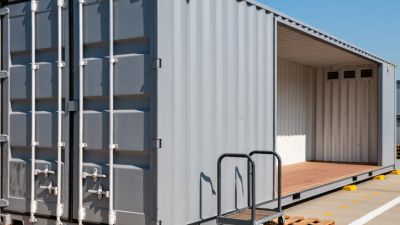
| Open-side container | Long, wide, or palletized goods that are difficult to load through end doors | Container with full-height side-opening doors, sometimes in addition to end doors | Offers easier side access for loading, unloading, and picking stock | Side doors need clear opening space; secure all doors and check weather seals after frequent use |
| Open-top container | Oversized cargo or goods loaded from above, such as machinery and certain construction materials | Container with a removable roof cover or convertible top and end doors | Allows top loading by crane or other suitable lifting equipment | Provides less overhead weather protection while open; confirm cargo dimensions, lifting plans, and secure covering |
| Flat-rack container | Heavy or oversized machinery, vehicles, and cargo that extends beyond standard container dimensions | Open-sided platform with end walls that may be fixed or collapsible | Accommodates cargo that cannot fit within an enclosed container | Usually offers no full enclosure; cargo must be properly secured and may need special transport or handling arrangements |
| Tank container | Bulk liquids or gases compatible with the tank’s materials and design | Tank mounted within a protective frame; specifications depend on the substance and applicable regulations | Designed for contained bulk transport and storage of suitable liquid or gas cargo | Requires substance compatibility checks, trained handling, and compliance with relevant transport and safety rules |
| Hazardous-material storage container | Regulated chemicals, flammable liquids, or other hazardous materials, where local rules allow | Purpose-designed unit with features such as ventilation, spill containment, or fire protection, depending on its use | Can provide more appropriate containment and access control than general-purpose storage | Choose the design based on the specific materials; verify permits, segregation, signage, and inspection requirements |
| Modular container storage unit | Businesses needing multiple connected storage areas or a site-specific layout | One or more container modules arranged as separate bays or a larger storage area | Can be configured to support different inventory zones and expanded by adding modules | Plan foundations, access routes, drainage, security, and any required approvals before installation |



Rob was always very honest and upfront about everything and took the time to explain everything I needed.

“highly recommended. They provided us with a great storage container with ontime services.”
“Bought a used container, its perfect, no leaks and in good condition.”
“Good service and prompt delivery. A great option for temporary storage at a decent price.”