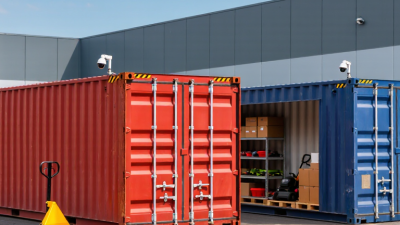
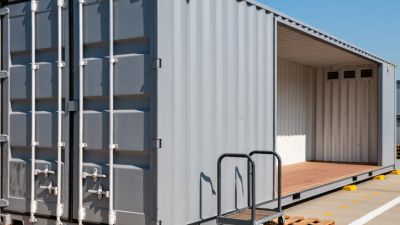
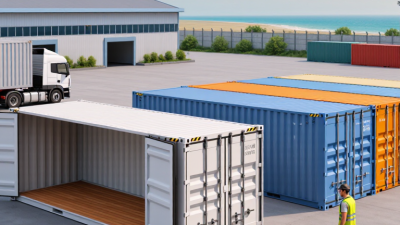
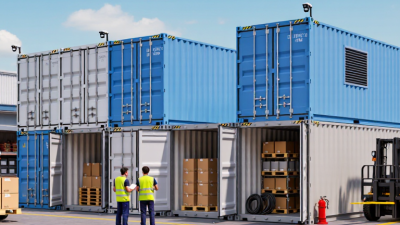
How to Choose Shipping and Storage Containers in 2026
Choosing Shipping And Storage Containers in 2026 is about matching the unit to its real job. A container that looks sound in a photograph may have worn door seals, a soft floor, or dents that matter once equipment is loaded. Start with what you will store or move, how often access is needed, and where the container will sit. A dry, level site can make daily use easier. A narrow driveway can complicate delivery.
Inspect the details, not just the price. Check dimensions, door clearance, ventilation, floor condition, and visible corrosion. Ask for recent photos or an in-person inspection, and confirm what the quoted price includes, such as delivery and placement. New, used, and modified units each involve trade-offs. Used containers may show cosmetic wear; modifications can add useful access but also require closer inspection. No option is automatically best.
A simple checklist helps. Still, choosing is rarely that tidy. The right size depends on your cargo, access needs, and plans for the site. Measure bulky items before ordering, and leave room to reach what sits at the back. If the intended use is uncertain, pause before committing. That small delay may prevent an expensive mismatch. This guide outlines practical questions to ask suppliers and features to compare, so you can make a more informed choice with fewer surprises.
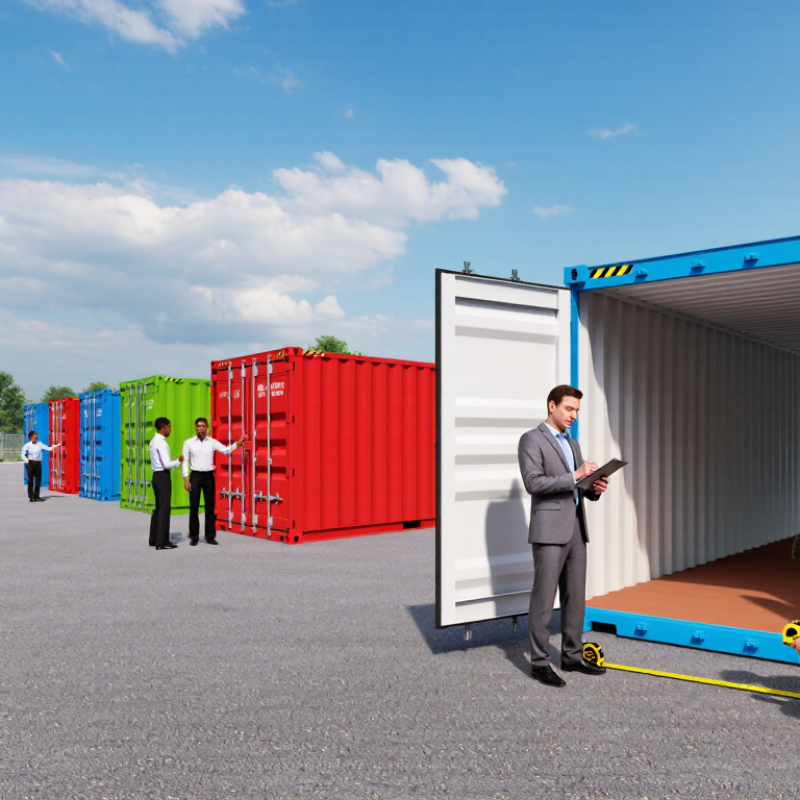
Assess Cargo, Handling, and Payload Needs Before Comparing Container Types
Start with the cargo, not the container.
Measure it twice. Record each item’s length, width, height, and weight, including pallets, crates, and protective materials. Leave space for airflow or access if the goods need it. A machine may fit inside on paper, yet fail at the doorway because its skids add height. That detail is easy to miss.
Consider how the load will be moved at both ends of the journey. Check doorway clearance, loading-dock height, forklift access, and whether lifting equipment can reach the container’s designated points. Think about the route, too: tight turns or limited site access can make a larger unit awkward to position. A quick site measurement can prevent a costly mismatch.
Then calculate payload, not just interior capacity. Subtract the container’s tare weight from its maximum gross weight, and include packaging, pallets, and any fittings. Confirm the figures against the container’s data plate and the limits of the vehicle or handling equipment. For storage, note exposure to rain, heat, and ground moisture. One assumption worth questioning is that spare space always helps; unused volume can still complicate safe loading or restraint. Recheck the numbers after packing, since estimates often change.
Compare ISO 668 Sizes: 20-ft and 40-ft Units Measure 6.058 m and 12.192 m
ISO 668 lists standard container dimensions, but the quoted lengths describe the exterior. A 20-ft unit measures 6.058 m long; a 40-ft unit measures 12.192 m. These figures help compare footprints and plan transport, but they do not tell you how much cargo fits inside.
Interior space is smaller because walls, doors, and corner fittings take room. Check the specific unit’s internal length and door opening before loading bulky items. A sofa may fit through the container opening yet leave little room to turn. Not quite a simple box. Height also varies by container type, so confirm the unit’s specification rather than relying on its nominal length alone.
The 40-ft unit is not exactly twice the length of the 20-ft unit: 12.192 m is 76 mm more than twice 6.058 m. That difference matters when planning rows of containers or checking site clearances. Measure the parking space, access route, and turning area, too. A tape measure can settle doubts. For storage, allow room for doors to open and keep stored goods away from damp floors. Dimensions on a listing are useful, but the actual unit should be checked before delivery.
How to Choose Shipping and Storage Containers in 2026
Compare ISO 668 external lengths: 20-ft and 40-ft units measure 6.058 m and 12.192 m.
What this means: A 40-ft container is about twice the external length of a 20-ft container. Compare the available site space and your cargo needs when choosing a size. These figures are external lengths; usable internal space is smaller.
Estimate Capacity: Typical 20-ft and 40-ft Dry Containers Hold About 33 m³ and 68 m³
A typical 20-foot dry container holds about 33 cubic metres, while a 40-foot unit holds roughly 68 cubic metres. These are useful planning figures, not guaranteed usable space. Interior dimensions vary slightly, and cargo cannot always fill every corner. A stack of uniform cartons may use space efficiently. Odd-shaped furniture or palletised goods can leave surprising gaps. Measure the largest items, including packaging, before estimating the total volume.
Think in layers, not just cubic metres. A container may have enough floor area but too little height for tall equipment. Door openings can also be narrower or lower than the interior, making a bulky item difficult to load. Leave room for handling and secure stowage. A small aisle can save considerable frustration. I once underestimated how much space irregular boxes waste; the numbers looked fine, but the loading plan did not. That estimate needed revising.
Volume is only one limit. Check the container’s payload rating and compare it with the combined cargo weight. Dense materials may reach the weight limit long before the container looks full. For a rough first pass, add package volumes, then allow extra room for gaps and protective materials. Treat the result as an estimate, not a promise. Exact fit depends on dimensions, loading method, and what must remain accessible during storage.
Choose Dry, Reefer, or Open-Top Units to Match Cargo and Storage Conditions
Choose a container by matching the cargo to its environment, not by size alone. Dry containers suit boxed goods, furniture, and equipment that need protection from rain and handling. Check door clearance, floor condition, seals, and ventilation; a damp smell can signal trouble before loading begins. Reefer units are designed for temperature-controlled cargo, but they need a verified setpoint, clear airflow, and reliable power during storage.
Temperature control matters, but it is not a cure-all. FAO’s 2023 report on food and agriculture indicators estimated that
13.2% of food was lost after harvest and before retail in 2021.
Good cold-chain planning can help limit losses, though cargo-specific handling still matters. Open-top units can simplify crane loading for tall or bulky items that will not pass through standard doors. Their exposed top requires suitable covering and careful securing. One overlooked detail: loading convenience does not guarantee the cargo will fit safely.
Tips:
- Measure the cargo, including its widest and tallest points, before booking.
- Confirm reefer power access and temperature-monitoring arrangements.
- For open-top loads, check lashing points and cover fit.
- Record the container’s condition at handover.
- Don’t skip that step.
Verify the CSC Plate: Periodic Container Examinations Are Due Within 30 Months
When choosing a shipping or storage container, check its CSC safety approval plate before judging its paint or floor. The plate is usually attached to a door and records key safety information. Confirm that it is present, legible, and consistent with the container’s identification markings. A plate can look official and still be difficult to read.
Pay close attention to the examination information. Under the periodic examination scheme, a container must be examined within 30 months of its previous examination. Check the date and calculate the interval rather than relying on a seller’s verbal assurance. Some containers operate under an approved continuous examination program, so look for the relevant marking and supporting records. If the status is unclear, ask for documentation from the inspection provider.
Then inspect the container itself. Look for damaged corner fittings, bent door bars, severe corrosion, and patches that may hide structural problems. A current plate does not prove that every part is in good condition today. That distinction is easy to miss. For storage use, also consider whether the floor is dry and the doors seal properly. Take clear photos of the plate and visible damage, and have a qualified inspector review concerns before purchase. A little extra checking can prevent an expensive surprise.