What Are the Top Container Storage Types in 2026?
In 2026, choosing Container Storage is less about finding one universal solution and more about matching a unit to its job. Standard dry containers remain practical for boxed goods, tools, and household items that need a secure, weather-resistant space. High-cube models add valuable vertical room, while refrigerated containers help maintain controlled temperatures for suitable products. Different needs call for different designs. It sounds simple, but the details matter.
This guide compares the leading container storage types, including insulated units, open-top containers, flat racks, and tank containers. Each has distinct strengths, limits, and setup requirements. A refrigerated unit, for example, needs a dependable power supply and regular temperature checks; a dry container may need ventilation to reduce condensation. The best choice also depends on access, available ground space, loading equipment, and how long the container will stay in place. These practical details can be easy to overlook.
We’ll look at common uses, key features, and trade-offs so readers can make a more informed shortlist. Specifications and availability can vary by supplier, region, and model, so verify dimensions and condition before committing. No type is perfect. Even a well-matched container may require adjustments once it is in daily use. That is worth considering.
What Container Storage Means in 2026
In 2026, container storage means more than parking steel boxes between journeys.
It is the planned holding, handling, and monitoring of containers across ports, inland depots, distribution sites, and temporary project locations. A container may wait empty, hold dry goods, or need powered temperature control. The location and cargo determine the storage type. That distinction matters.
UNCTAD reported 858.2 million TEUs of global container-port throughput in 2023, up 2.4 percent year over year. This measures port activity, not warehouse demand, but it shows the scale storage networks must support.
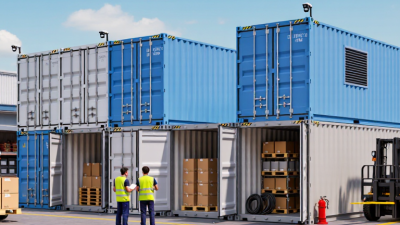
Common options include terminal yards for short stays and inland depots for transfers or empty-container staging. Reefer areas provide powered connections and temperature monitoring for refrigerated units. Dry containers often sit in open yards, where drainage, truck access, and safe stacking matter.
The World Bank’s 2023 Logistics Performance Index covered 139 countries and assessed infrastructure and tracking and tracing among six dimensions.
Storage performance is not just about capacity. At a real site, poor access or unclear inventory records can create delays, even when space is available. Remote or modular storage may suit temporary demand, though security and handling access deserve careful checks. A container is not automatically a warehouse; dwell time, cargo needs, and equipment shape the practical choice.
How Container Storage Is Classified
Container storage is commonly classified by construction, access, and the conditions items require. Standard enclosed containers suit boxed goods, tools, and furniture that need protection from rain and dust. Ventilated designs allow airflow, while insulated or refrigerated units help maintain more stable temperatures for sensitive goods. Open-top and side-access formats make loading awkwardly shaped equipment easier. The right category depends on what goes inside, not just the container’s name.
Storage can also be classified by how a container is used. Fixed units remain at a site for longer-term storage; mobile units are designed to move between locations. Stackable containers can save floor space, but only when their design, condition, and contents allow safe stacking. Labels do not always fit neatly. A ventilated unit, for example, may still need careful placement to keep wind-driven rain away from stored materials. Check dimensions, door clearance, ventilation, and the unit’s visible condition before choosing.
Tips: Measure the largest item and the doorway first. Leave room for air circulation, and keep frequently used items near the doors. For temperature-sensitive goods, ask how temperature is monitored and what operating range the unit can maintain. These small checks can prevent a poor fit or avoidable damage.
The Main Container Storage Types in 2026
The Main Container Storage Types in 2026
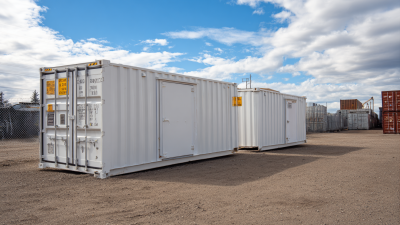
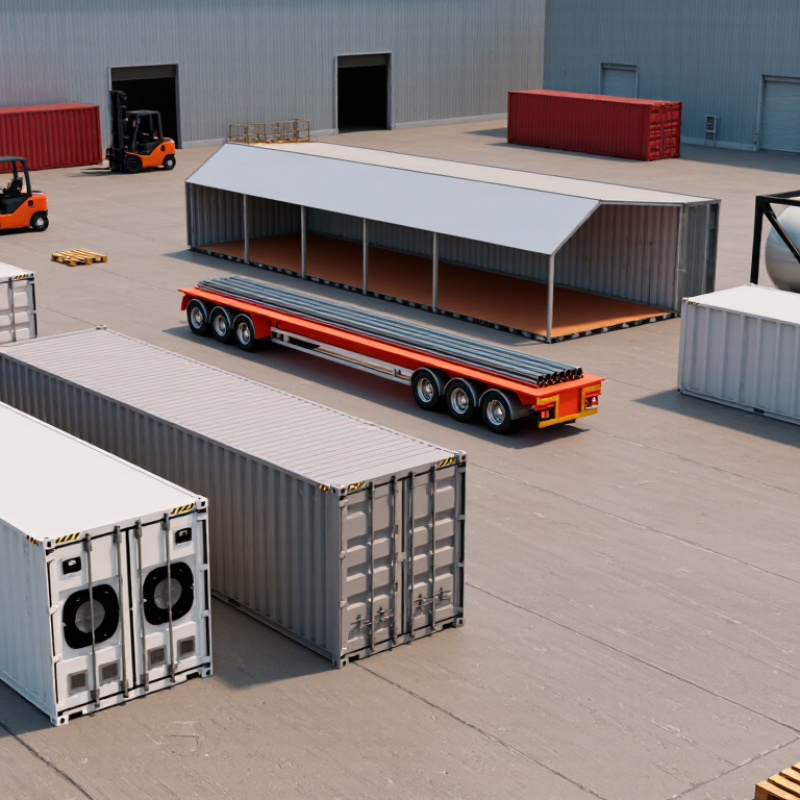
Container storage choices still depend on what needs protection, access, and a dry environment. Standard dry containers suit boxed goods, tools, and household items that can tolerate ordinary temperature swings. High-cube units add about a foot of interior height, which can help with tall equipment or shelving. Check door clearance, floor condition, and ventilation before loading.
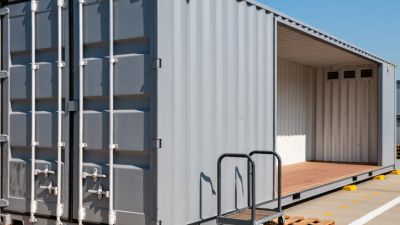
For temperature-sensitive stock, refrigerated containers maintain controlled conditions but require reliable power and regular checks. They may cost more to run. Open-side units offer wider access than standard doors, while open-top designs accommodate tall or awkward loads. Flat-rack containers suit oversized machinery, though their exposed sides provide little weather protection. Not everywhere.
Choosing by category alone can be risky. Measure the load, including pallets and handling space, and check the route into the unit. Inspect seals, corrosion, flooring, and locking points; a clean exterior can hide problems. For longer storage, consider airflow, condensation, drainage, and local weather. Specifications vary with age and condition, so verify usable dimensions rather than relying only on labels. A “dry” container may not stay dry in every climate.
What Are the Top Container Storage Types in 2026?
This chart compares common storage types by whether data typically persists beyond a pod, can be shared across nodes, and provides a filesystem interface. “Yes” and “No” represent typical behavior; details can vary by storage driver and configuration. Host paths and local volumes remain tied to their node, while object storage is generally accessed through an API rather than as a filesystem.
How Container Storage Types Differ in Performance and Durability
Container storage types differ most in latency, sharing, and what happens after a restart. Ephemeral storage is fast and simple, but data disappears when a container is replaced. It suits caches and temporary files. Persistent block volumes offer low-latency access for databases, while shared file storage lets several containers read the same directory. Object storage handles large, durable datasets, but its request-based access usually adds latency. Small details matter: a database writing frequent tiny updates behaves differently from a service saving occasional image files.
Durability depends on more than the storage type. Replicas, snapshots, failure recovery, and tested restore procedures all affect whether data survives an outage. The Cloud Native Computing Foundation’s 2023 Annual Survey reported that 84% of respondents were using cloud-native technologies in production, making storage behavior a practical operational concern, not just a design choice. For comparison, the widely cited study “Failure Trends in a Large Disk Drive Population” found annualized drive failure rates varied substantially across drive cohorts and ages. Those results are not a direct forecast for modern container storage, but they underline a useful point: hardware labels alone cannot promise durability. A benchmark should measure real workload latency and recovery time. Perfectly realistic? Not always. Teams sometimes test peak throughput and forget to test a restore.
How to Choose a Container Storage Type for Your Workload
What Are the Top Container Storage Types in 2026?
How to Choose a Container Storage Type for Your Workload
Choose storage based on how your workload handles data, not just on a storage label. Ask whether files must survive restarts, move between replicas, or be read by several containers at once. Ephemeral storage suits caches, temporary uploads, and scratch files. It is fast and simple. But a rescheduled container may lose its contents, so it is a poor home for important records.
Persistent block storage fits databases and workloads that need low-latency, single-node volumes. Check throughput, IOPS, volume size, and recovery behavior under load. Shared file storage is useful when several containers need the same directory, such as for common assets or generated reports. Confirm file-locking and permissions; they can differ from local disks. Object storage works well for large, durable files accessed through an application interface. It is not a drop-in filesystem.
Test the choice with representative data. Measure read and write patterns, peak concurrency, and recovery after a restart. Set backup and retention policies before production, then verify that restores work. Capacity estimates are often optimistic. Leave room for logs, temporary files, and growth. A workload that mixes database records with uploaded media may benefit from separate storage types, though that adds operational work.
Not always.