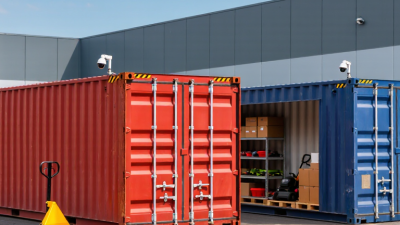
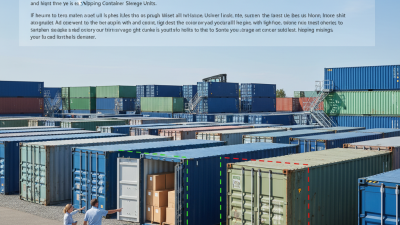
Portable Space solutions are changing how businesses create usable rooms without conventional construction timelines. In China, manufacturers supply modular cabins, container offices, guard booths, site accommodation, and other relocatable structures. Their products can arrive with insulated wall panels, steel frames, fitted doors, and electrical layouts ready for project-specific review. Small details matter.
This guide to China’s top 10 Portable Space manufacturers in 2026 is designed to help buyers compare suppliers, not promise that one company suits every project. It considers product range, manufacturing experience, customization, material specifications, quality-control practices, delivery capability, and after-sales support. A factory’s photographs may look impressive, but buyers should also request current product drawings, clear quotations, and relevant quality documentation. Ask how the structure performs in the intended climate, how components are packed, and what installation support is available. That matters.
The list is a starting point, not a substitute for direct verification. Supplier capabilities change, and terms such as “portable,” “modular,” and “prefabricated” are not always used consistently. A low quoted price may exclude transport, installation, or interior fittings. That is easy to miss. Buyers should compare equivalent specifications and confirm lead times before making decisions. This overview aims to make those conversations more focused, while recognizing that no ranking can capture every project requirement. Some details will still need a closer look.
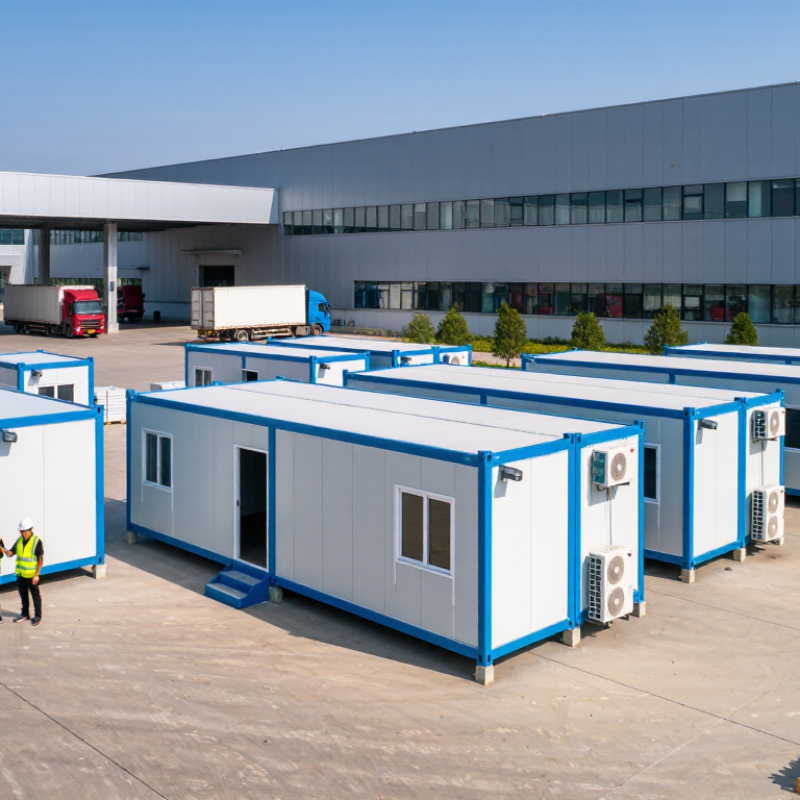
Portable space means a usable room designed to be moved, installed, and adapted without conventional, long-term construction. In China, these spaces range from compact site offices and temporary classrooms to modular accommodation and service units. Their value is not simply mobility. A well-planned unit can bring work, storage, or basic services closer to where they are needed.
It should still feel like a room, not a box. Good ventilation matters. So do daylight, insulation, safe wiring, and practical door placement.
China’s manufacturing base supports varied sizes and configurations, but a factory-produced module is not automatically suitable for every site. Transport access, ground conditions, local weather, and utility connections all affect performance. For example, a unit placed on a damp site may need careful drainage and a raised base.
Small details make a difference. Buyers and project teams should check material specifications, structural documentation, installation requirements, and maintenance plans before choosing a design.
Portable space can reduce disruption and help projects respond to changing needs. Yet moving a structure does not erase planning responsibilities. Some layouts also feel cramped after months of daily use. That deserves more attention than it often gets.
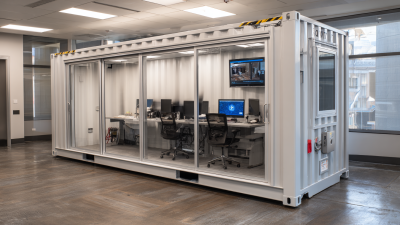
In 2026, China’s portable space industry is shifting from simple container-like units toward configurable, task-specific buildings. Manufacturers are combining steel frames, insulated panels, and prewired service routes to reduce on-site work. That can shorten installation, but transport dimensions and lifting access still shape what is practical. Small details matter. A door that clashes with a partition or a poorly placed drain can slow daily use.
The market is also paying more attention to energy use, indoor comfort, and repeatable quality checks. Buyers increasingly ask for insulation data, fire-performance documentation, electrical layouts, and clear maintenance instructions before ordering. These records make comparisons more useful than a polished rendering alone. Digital design tools help adjust layouts, yet customization can add cost and complicate replacement parts. There is no universal best unit. A site office needs different lighting and ventilation from a temporary clinic or worker rest area. A practical evaluation should include a trial layout, joint and seal inspection, and a realistic delivery plan. The industry’s next test is not just faster production; it is making flexible spaces dependable after repeated moves and changing weather.
Selecting China’s top portable space manufacturers in 2026 means checking evidence, not relying on polished product photos. Look for completed projects with clear dimensions, intended uses, and installation conditions. Ask how the units perform in heavy rain, strong sun, or repeated relocation. Details matter. A supplier’s experience should be supported by drawings, inspection records, and references you can verify.
Compare structural materials, insulation, ventilation, wiring provisions, and finish quality against your project’s needs. Request a sample specification and confirm what is included in the quoted price. A door that sticks after transport is a small detail, but it can signal weak quality control. Test it onsite. Check production capacity and delivery planning, too; realistic lead times are more useful than promises of speed. Ask who handles repairs, replacement parts, and technical questions after delivery. Warranty terms should be written in plain language. Visit a factory or arrange an independent inspection when practical. No checklist catches everything, and a tidy showroom may not reflect daily production. Keep room for that doubt. Compare manufacturers using the same criteria, then record the evidence behind each score.
Criteria for Selecting the Top 10 Manufacturers
Suggested evaluation framework totaling 100 points. The percentages are illustrative weighting recommendations, not measured results or rankings of manufacturers. Adjust them to match project requirements and verify each supplier’s documentation, product specifications, and service commitments.
Profiles of China’s top portable-space manufacturers are most useful when they compare verified capabilities, not factory slogans. Buyers can examine structural drawings, steel specifications, insulation thickness, lifting points, and quality-control records. Ask how a unit performs after repeated transport, not only how it looks on delivery day. Details matter.
McKinsey & Company’s 2019 report, “Modular construction: From projects to products,” found that modular methods could shorten project schedules by 20–50% and reduce costs by up to 20%, under suitable conditions. These are industry-wide potential gains, not promises for every portable-space order. A strong manufacturer profile should therefore explain production capacity, customization limits, delivery planning, and installation support in concrete terms.
Environmental performance deserves equal scrutiny. The 2024 Global Status Report for Buildings and Construction, published by UNEP and GlobalABC, estimates that buildings and construction accounted for 34% of global energy demand and 37% of energy- and process-related carbon emissions in 2022. That figure does not measure portable units specifically. Still, it makes material efficiency and insulation worth checking. One gap in many supplier comparisons is long-term maintenance: specifications rarely show how joints, coatings, and seals hold up after years outdoors. Not always. A careful profile should distinguish tested data from sales claims.
Portable-space manufacturers differ less by appearance than by engineering choices. Their products range from relocatable site offices and classrooms to mobile clinics and compact storage units. Buyers should compare frame strength, insulation, ventilation, lifting points, and setup time. A unit that fits on a truck may still need clear access for unloading. Small details matter.
Applications shape the design. Construction sites often need durable floors and quick utility connections; temporary classrooms need daylight, acoustic control, and reliable heating. McKinsey’s 2019 report, Modular Construction: From Projects to Products, estimated modular building could be 20–50% faster than conventional construction under suitable conditions. That is not a guarantee for every portable unit. Dodge Data & Analytics’ 2019 Prefabrication and Modular Construction SmartMarket Report found that 66% of surveyed contractors used prefabrication on projects, suggesting broader familiarity with off-site methods.
Key differences emerge in customization, transportability, and lifecycle support. Some manufacturers prioritize standardized units that ship quickly; others offer tailored layouts, stronger insulation, or easier reconfiguration. Ask how the floor performs under repeated moves, and where condensation collects after a cold night. These questions are practical, though easy to overlook. Published performance figures may also use different test conditions, so compare specifications carefully.
| No. | Manufacturer Profile by Product Focus | Typical Product | Common Applications | Construction and Deployment | Key Difference | Checks Before Purchase |
|---|---|---|---|---|---|---|
| 1 | Flat-pack modular units | Factory-made floor, roof, wall, and frame components packed for transport | Construction camps, temporary offices, accommodation, and project facilities | Components are shipped in compact packs and assembled on site; layout can be extended by joining units. | Designed to reduce transport volume compared with shipping fully assembled rooms. | Confirm packing list, connection details, assembly instructions, lifting method, and site foundation requirements. |
| 2 | Detachable container units | Reusable modular room with separable frame and enclosure components | Temporary site offices, worker facilities, storage, and short-term project buildings | Major components are connected on site and can be dismantled for relocation. | Prioritizes repeated assembly and relocation rather than one-time installation. | Check connection hardware, corrosion protection, weather seals, and whether plumbing or electrical services are included. |
| 3 | Expandable container units | Transportable module with hinged or fold-out sections that create additional floor area when deployed | Remote accommodation, emergency facilities, temporary clinics, and project offices | Delivered in a compact transport configuration and opened at the installation site. | Offers a larger deployed footprint than its transport configuration; requires adequate setup space. | Verify deployed dimensions, anchoring, weatherproofing at movable joints, and the required installation crew and equipment. |
| 4 | Folding container units | Collapsible modular unit with foldable wall or roof sections | Temporary shelters, disaster-response support, and rapidly deployed site facilities | Folded for transport and unfolded at the site; deployment steps depend on the design. | Designed for compact transport and quick deployment, but moving joints need careful inspection. | Request deployment instructions and inspect hinges, locks, seals, and the safe operating procedure. |
| 5 | Welded steel container buildings | Rigid steel-framed modular rooms, often supplied as complete units | Site offices, guard rooms, equipment rooms, and durable temporary facilities | Usually transported as a substantially assembled module and positioned with lifting equipment. | Rigid construction can suit repeated handling, while transport size and weight may limit delivery options. | Check lifting points, structural drawings, protective coating, transport clearances, and the required crane capacity. |
| 6 | Light-gauge steel prefab buildings | Prefabricated steel framing with wall, roof, and floor systems assembled into larger buildings | Longer-duration camps, classrooms, accommodation blocks, and multi-room facilities | Often shipped as structural components and panels for assembly on prepared foundations. | More suitable for larger layouts than a single transportable room; site engineering and assembly are more involved. | Confirm design loads, foundation design, fire and thermal specifications, engineering documents, and local approval needs. |
| 7 | Prefab cabin and kiosk units | Compact enclosed cabins with a defined use-specific interior layout | Security posts, ticketing, small retail points, reception, and equipment control | Typically delivered as a complete unit and installed on a suitable level base. | Compact, use-specific layouts are convenient for localized functions but offer limited interior reconfiguration. | Check door and window placement, accessibility, insulation, wiring, and the intended operating environment. |
| 8 | Portable sanitation units | Mobile toilet or washroom modules with plumbing and waste-handling provisions | Construction sites, outdoor events, temporary camps, and emergency response | Requires suitable water supply, drainage or waste collection, ventilation, and servicing arrangements. | Utility connections and hygiene servicing are central to operation, unlike a basic dry room module. | Confirm plumbing layout, waste capacity, ventilation, cleaning access, accessibility options, and local sanitation requirements. |
| 9 | Mobile trailer-based rooms | Room or facility mounted on a road-towable trailer chassis | Mobile offices, field operations, event support, and temporary inspection stations | Relocated by towing where permitted; chassis, tires, coupling, and road regulations affect deployment. | Mobility is built into the chassis, but road-use requirements differ from those for crane-lifted modules. | Check trailer certification, road dimensions, axle and load ratings, towing compatibility, brakes, and local registration rules. |
| 10 | Purpose-built modular facility systems | Interconnected modules configured for a specific project or multi-room facility | Project offices, training rooms, temporary healthcare, and coordinated site compounds | Multiple modules are planned together, with shared circulation and coordinated utility connections. | Layout and services can be tailored across a facility, but design coordination and site planning are important. | Review room layouts, fire exits, accessibility, utility interfaces, structural connections, and the complete project scope. |
Rob was always very honest and upfront about everything and took the time to explain everything I needed.
“highly recommended. They provided us with a great storage container with ontime services.”
“Bought a used container, its perfect, no leaks and in good condition.”
“Good service and prompt delivery. A great option for temporary storage at a decent price.”

Join our mailing list to get the latest storage container inventory and offers