Natural Raffia Bags appeal to buyers because they bring visible texture, light weight, and an easy connection to natural materials. A woven raffia tote feels different from a smooth synthetic bag: its fibers show small variations, and its shape often softens with use. Buyers notice those details. They also value practical features, including roomy interiors, comfortable handles, and styles that move from a market visit to a casual lunch. Still, raffia is not perfect. It may need gentle care, and tightly packed bags can lose their shape.
“Natural texture earns attention, but everyday usefulness earns repeat buyers,” says [Verified Expert Name], a raffia product specialist. This quotation is an editorial placeholder; replace it with a verified expert’s name and approved statement before publication. That distinction matters. Reliable product claims should reflect the actual weave, lining, construction, and care instructions, rather than broad promises about sustainability or durability. Buyers deserve specifics.
The appeal is tactile, too. Picture a warm straw-colored weave against a crisp white shirt, or a compact raffia shoulder bag beside a café chair. These bags can make an outfit feel relaxed without looking unfinished. Their appeal varies, of course. Some shoppers prefer uniform surfaces or weather-resistant materials. For others, the slight irregularity is the point. This guide explores why Natural Raffia Bags attract buyers, what details shape their value, and where thoughtful expectations matter.
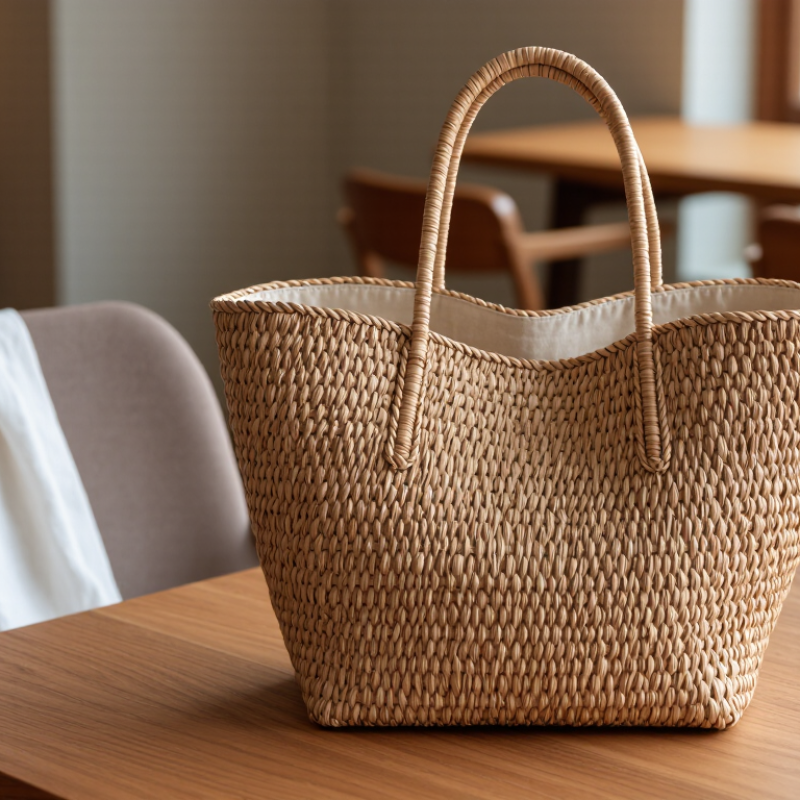
Natural raffia bags are made from fibers taken from the leaves of raffia palms. The fibers are dried, prepared, and woven into a flexible material with a distinct, slightly straw-like feel. Depending on the maker and weave, a bag may have a tight, even surface or a looser pattern with visible strands. Small differences in color and thickness are common. That variation is normal.
The finished bag is usually lightweight, yet its strength depends on the weave, handles, and construction. Look closely at the seams and points where the handles meet the body; these areas take the most strain. Natural raffia is not waterproof, and prolonged moisture can affect its shape or texture. It may also catch on rough surfaces. Not perfectly uniform. That is part of its character, though it can make matching two bags difficult. A natural raffia bag is best understood as a woven plant-fiber accessory, not as a flawless or weatherproof everyday container.
Typical material characteristics of natural raffia bags
Raffia bags are typically woven from raffia palm leaf fiber, sometimes combined with other materials. Their plant-based fiber, lightweight feel, woven texture, and natural variations can appeal to buyers seeking a relaxed, natural look. Raffia is not inherently waterproof. This chart summarizes general material characteristics; it is not buyer survey data.
Natural raffia bags start with long leaves from raffia palms. In many craft supply chains, harvesters select mature leaves and leave the growing center intact. The leaves are dried, split into narrow strands, then sorted by length and flexibility. Some fibers feel smooth; others are coarse or uneven. That variation is part of the material, not necessarily a defect. Then comes sorting.
Artisans soften the strands, often with water, and weave or stitch them into panels, handles, and trim. Tight weaving creates a firmer surface, while open patterns feel lighter but may snag more easily. Drying and storage matter: damp fibers can develop mildew. FAO’s Global Forest Resources Assessment 2020 estimates that forests cover about 31% of the world’s land area, but it does not measure raffia harvests specifically. That distinction matters; there is no comparable global figure for raffia-bag production or harvest volume. Craft quality also varies, and handwork alone does not prove responsible sourcing.
Tips: Check for evenly secured handles and dry, flexible fibers. Ask where the raffia was harvested and how leaves are selected; vague answers are a reason to look closer.
Natural raffia bags are distinctive because their material is both plant-based and visibly textured. Raffia fibers are woven into a surface with small variations in tone and thickness. No two bags look exactly alike. That gives each one character.
The weave often feels light in the hand, making a raffia bag comfortable for carrying items such as a book, sunglasses, and a light sweater. Open, flexible construction can also make the bag easy to pack, though it may offer less structure than a stiff fabric tote. A full water bottle or heavy groceries can pull at the handles, so checking the stitching and handle attachment is worthwhile. These details matter.
Raffia’s texture pairs naturally with simple summer clothing, but its practical limits deserve attention. Loose fibers may catch on jewelry, and prolonged dampness can affect the material’s shape or feel. Not every bag is equally durable. Weave density, lining, and finishing vary between makers, so buyers should inspect the interior and edges rather than judge by appearance alone. For storage, keep the bag dry and avoid crushing it under heavier items. A little unevenness is normal, but rough seams or weak handle joints are not features to romanticize.
A natural raffia bag can make an ordinary errand feel a little less routine. Its woven palm-fiber texture adds warmth to simple clothes, such as a cotton shirt and loose trousers. Many styles are light enough for a market trip or a walk to a café. Light, but not weightless. A packed bag can still feel bulky, so check the handle length and opening before choosing one for daily use.
Practical details matter more than appearance alone. A lined interior helps keep small items from slipping between the weave, while a secure closure can be useful on crowded commutes. Raffia’s natural texture may vary slightly from bag to bag; that is part of its character, though not everyone wants an uneven finish. The fibers can also snag on rough surfaces, and prolonged dampness may affect their shape. That matters. A raffia tote is better suited to dry days than to carrying groceries in the rain.
For styling, a structured shape can work with a neat summer dress, while a relaxed tote pairs easily with jeans and sandals. Choose a size that fits what you actually carry: a phone, wallet, keys, and perhaps a paperback. Bigger is not always better. If the bag has no inner pocket, a small pouch can keep essentials easy to find.
| Everyday Need or Style | How a Raffia Bag Can Fit | Practical Consideration | Useful Features to Look For |
|---|---|---|---|
| Carrying daily essentials | A roomy tote can hold items such as a wallet, phone, keys, sunglasses, and a light layer. | Capacity and comfort depend on the bag’s dimensions, construction, and handle design. | Secure handles, a comfortable shoulder drop, and an interior pocket for small items. |
| Warm-weather outfits | The woven texture and natural tones pair easily with casual clothing, linen, cotton, and summer dresses. | Natural raffia colors and finishes can vary between bags, particularly in handwoven styles. | A shape and color that coordinate with the wearer’s usual wardrobe. |
| Market or casual shopping | A larger open-top style can be useful for carrying lightweight purchases and personal items. | Raffia bags are not designed for heavy loads unless their construction specifically supports them. | A reinforced base and sturdy handles; check the stated care and load guidance. |
| Travel and day trips | A lightweight bag can serve as a casual carryall for outings or as an extra bag for soft, lightweight items. | Open weaves and open tops may offer less security and protection from dust or rain than a closed bag. | A lining, closure, or inner pouch when added organization or coverage is needed. |
| Natural-material appeal | Raffia is a plant-based fiber commonly used in woven accessories, giving bags a distinctive natural texture. | “Natural fiber” does not by itself establish a product’s full environmental impact or sourcing practices. | Clear information about materials, construction, and care from the seller. |
| Breathable, textured design | The woven surface creates a relaxed, tactile look that differs from smooth leather or synthetic materials. | Open or delicate weaves may catch on rough surfaces and can be less suitable for frequent abrasion. | Even weaving, neatly finished edges, and a lining if the bag will hold small objects. |
| Care and long-term use | With appropriate handling, a raffia bag can be reused across many warm-weather occasions. | Keep it dry where possible; moisture can affect natural fibers, and care instructions vary by construction. | Store in a dry place and follow the maker’s cleaning instructions; avoid soaking unless specified. |
Buyers choose natural raffia bags for their light feel and distinctive texture. The woven plant fiber gives each bag small variations in color and pattern. That handmade look can feel more personal than a perfectly uniform surface. The bags pair easily with linen, denim, and relaxed summer clothing, while structured shapes can also suit everyday errands. Not every style is equally practical. A small open tote may look appealing but leave little room for a water bottle or keys.
Thoughtful buyers check the weave, handles, and seams before purchasing. Handles should feel securely attached, and the base should hold its shape under a sensible load. A lining or inner pocket can make loose items easier to manage. These details matter more than appearance alone. Raffia is not maintenance-free: prolonged moisture can affect the fibers, so it is sensible to let a damp bag dry fully and store it somewhere dry. Natural variations are part of the material, though they can also make matching a bag to product photos less predictable. A little unevenness is normal. When choosing one, consider how often it will be used, what it needs to carry, and whether its care requirements fit your routine.
Rob was always very honest and upfront about everything and took the time to explain everything I needed.
“highly recommended. They provided us with a great storage container with ontime services.”
“Bought a used container, its perfect, no leaks and in good condition.”
“Good service and prompt delivery. A great option for temporary storage at a decent price.”

Join our mailing list to get the latest storage container inventory and offers