Top 10 Bronzing Machine Manufacturers in 2026
Metallic finishes can turn a plain carton into a shelf-level signal. Yet consistent bronzing depends on more than appearance. Machine pressure, temperature control, foil feeding, registration, and operator access all affect the result. Small differences become visible on fine lettering, curved surfaces, and long production runs.
Smithers’ report, The Future of Global Printing to 2026, projected the global print market would reach $834.3 billion in 2026. That broad forecast is not a measure of bronzing equipment sales. It does, however, show the scale of the print sector in which finishing technologies compete. Details matter. Buyers still need to verify machine specifications, test materials, and confirm service coverage directly with suppliers.
This guide to the Top 10 Bronzing Machine Manufacturers in 2026 compares manufacturers through practical criteria: application range, automation, production capacity, technical support, and documented customer experience. The term “bronzing machine” can cover different processes and machine formats, so the ranking should be treated as a starting point, not a universal verdict. A compact workshop may need flexible setup; a high-volume plant may prioritize uptime and repeatability. The comparison has limits. The right choice depends on the substrate, finish, order size, and budget—and those details are easy to underestimate.
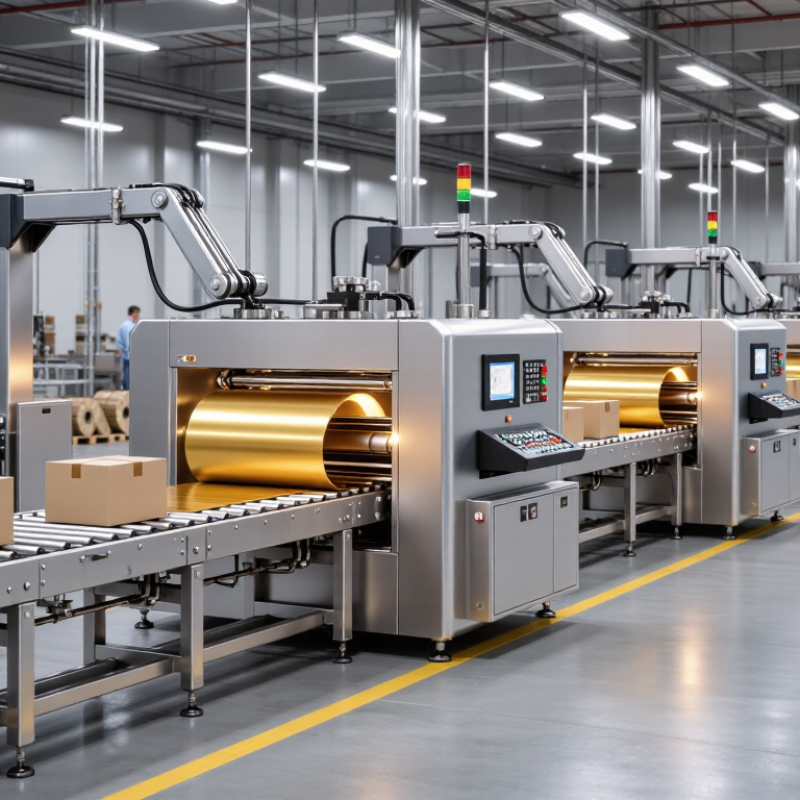
Bronzing Machines in 2026: Processes, Foils, Substrates, and Core Components
Bronzing Machines create metallic decoration by transferring a foil layer onto a substrate with controlled heat, pressure, and dwell time. In hot-foil work, a heated die presses the foil against the sheet; cold-foil processes use adhesive and are often integrated with printing equipment. The right setup depends on artwork, run length, and surface finish. Heat matters. Too much can distort thin stock, while too little may leave broken areas or weak edges.
Foil construction also affects results. A typical roll has a carrier film, release layer, and metallic coating, each influencing transfer and appearance. Paperboard, coated paper, and textured stocks respond differently, so test sheets should match the production material. One practical detail: a sample that looks clean on the bench may behave differently at full speed. Core machine components include the heated platen or die holder, pressure system, foil feed and take-up units, registration controls, and temperature monitoring. Consistent tension helps prevent wrinkles; accurate registration keeps fine lettering aligned. Settings still need adjustment between jobs. That part is easy to underestimate.
Key Industry Metrics: Sheet Speed, Maximum Format, Temperature, and Pressure
Top 10 Bronzing Machine Manufacturers in 2026
Key Industry Metrics: Sheet Speed, Maximum Format, Temperature, and Pressure
Comparing bronzing machine manufacturers means looking beyond headline speed. A published sheet-per-hour figure may describe ideal conditions, not a full production shift. Ask what paper weight, sheet size, and finish were used in the test. A machine running quickly on thin stock may slow considerably with heavier sheets or detailed coverage. Small differences matter.
Maximum format should match the work you actually print, with room for grippers and registration. Temperature stability helps deliver even foil transfer across a sheet; uneven heat can leave dull patches or fine gaps. Pressure also needs control. Too little may weaken adhesion, while too much can mark stock or flatten texture. Request a sample run using your own material, and review setup time, waste, and repeatability—not just peak output. I would treat any single speed claim with caution; real production is less tidy.
Tips: Compare like with like. Record sheet speed, format, temperature range, and pressure settings during the same test. Ask operators whether adjustments are quick and repeatable. Keep a few test sheets for later comparison. Those details can reveal practical differences that a specification table misses.
Top 10 Bronzing Machine Manufacturers in 2026: Models and Verified Specifications
Top 10 Bronzing Machine Manufacturers in 2026: Models and Verified Specifications
Choosing a bronzing machine starts with the model’s real production limits, not its catalogue photos. Compare working width, sheet or roll capacity, speed, heating range, pressure controls, and installed power. Confirm whether each figure applies to the standard configuration or requires optional equipment. Ask for a dated specification sheet and a sample run using your actual stock. Small differences in coating or paper thickness can change the result.
Tips: Check the proposed machine against a typical job, including setup time and changeovers. Request written confirmation of the supported foil types, operating conditions, and service requirements. Where possible, inspect a finished sample under consistent lighting. A stated maximum speed may not reflect stable output on detailed work.
Model categories also matter. Sheet-fed machines may suit varied, shorter runs, while roll-fed systems can support continuous production. Automatic feeding can reduce handling, but adds setup and maintenance considerations. Compare safety features, control layout, footprint, and access to routine service points. Specifications are useful, but they do not show every production limitation; even a clean test can miss a troublesome changeover. Keep the questions specific, and record the answers beside each model before making a shortlist.
Operating Data: Foil Consumption, Energy Use, Changeover Time, and Output
Top 10 Bronzing Machine Manufacturers in 2026
Operating Data: Foil Consumption, Energy Use, Changeover Time, and Output
Comparing bronzing machines requires more than checking maximum speed. Track foil use per thousand finished sheets, energy per production hour, and changeover minutes across similar jobs. A detailed run log should note sheet size, coverage area, material, and rejected sheets. Otherwise, one machine may appear efficient simply because it ran an easier design. Ask for measured output, not only the rated speed. Count saleable sheets after setup and quality checks.
Tips: Request a live trial using a representative job. Record foil roll weight before and after, and meter energy during the run. Time changeovers from the final good sheet to the first stable sheet. Small losses add up. Repeat the test if results vary.
Compare several runs, not one polished demonstration. A spreadsheet can look convincing, yet miss warm-up, cleaning, or adjustments between foil colors. Note those details, even when the numbers are inconvenient. Output depends on operator skill and job complexity, too. Share the same test conditions with every supplier, then review the raw readings alongside the finished sheets. A lower foil figure means little if registration shifts or rejects rise. A practical benchmark should reflect the work your shop actually handles.
Top 10 Bronzing Machine Manufacturers in 2026 — Operating Data
Illustrative comparison of foil consumption, energy use, changeover time, and output. Profiles 01–10 are modeled examples, not actual manufacturer disclosures or verified company data.
Foil Consumption (m² / 1,000 impressions)
Energy Use (kWh / 1,000 impressions)
Changeover Time (minutes)
Lower foil and energy consumption and shorter changeovers generally indicate more efficient operation; output varies with format, coverage, substrate, and job complexity. Values are illustrative only and should not be treated as audited industry statistics.
How to Select a Bronzing Machine by Run Length, Substrate, and Production Capacity
A bronzing machine should match the work you actually produce, not just the fastest speed listed on a specification sheet. For short runs, quick setup, simple pressure adjustment, and low warm-up waste can matter more than maximum output. Small runs differ. Ask how long a typical job takes from setup to the first acceptable sheet, and whether operators can change dies without lengthy adjustments. That detail affects delivery times.
Substrate choice changes the decision. Paperboard, coated stock, and textured paper respond differently to heat and pressure. A sample test should use the actual stock, foil, and artwork wherever possible. Look closely at fine lines, solid areas, and registration near sheet edges. If the substrate curls or marks easily, ask about temperature control and feed handling. A sample can still mislead if production conditions differ, so record the tested settings.
Production capacity means more than sheets per hour. Check the expected monthly workload, shift pattern, sheet size, and time needed for changeovers. A machine running near its limit may leave little room for urgent jobs or maintenance. It is easy to overvalue speed and overlook operator skill; that assumption deserves a second look. Compare realistic output, setup labor, and reject rates across your common jobs. Even those estimates can be wrong, so leave room for a trial run before committing.