Blogs | Great Lakes Kwik Space

What Is a Professional Kart Used For?

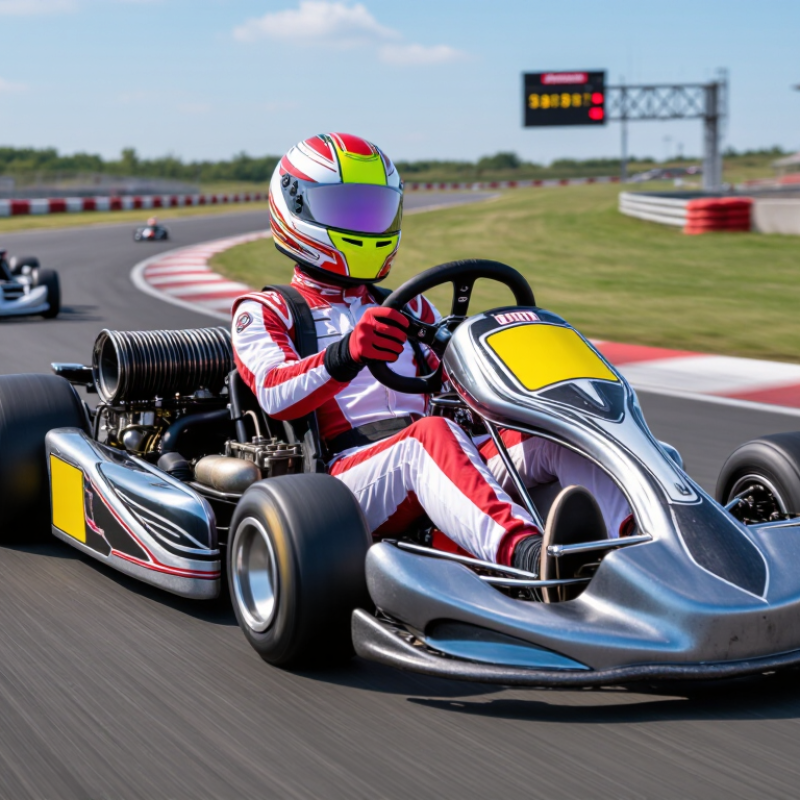
A Professional Kart is built for more than speed. It serves competitive racing, driver development, equipment testing, and structured track practice. Its purpose becomes clear in the details: a low seat, responsive steering, tuned chassis, and an engine that rewards smooth inputs. Small mistakes show quickly. That is part of the lesson.

Industry reports help explain the wider setting. Allied Market Research’s Go-Kart Market analysis separates racing from recreational and commercial uses, showing that karting serves both competition and leisure. FIA Karting’s championship records offer a different kind of evidence: they document classes, event formats, and results across international competition. These sources do not establish that every professional kart has the same specification. Track, class, and racing series matter.

Former Formula One driver and karting champion Felipe Massa has described karting as “the best school for a racing driver.” The phrase captures its value, though it is not the whole story. A kart can teach racing lines, braking control, and consistency. It cannot replace coaching, fitness, or careful setup work. I should be precise here: owning a fast kart does not make someone a professional driver.

This guide examines what a Professional Kart is used for, from race preparation to technical testing. It also considers where the label can mislead. A kart may look similar in the paddock, yet its setup can change sharply between circuits.
What Is a Professional Kart Used For?

What Defines a Professional Kart?

A professional kart is defined by its purpose-built design, precise setup, and ability to perform consistently under demanding track conditions. It is not simply a recreational kart with a stronger engine. Its chassis responds clearly to steering input, while adjustable components let a mechanic tune handling for a particular circuit, driver, and weather. Small changes matter.

Look closely at the frame, seat position, and front-end alignment. These affect how the kart turns and how weight shifts through a corner. Racing tires provide grip, but their performance depends on temperature and track surface. Feel is crucial. A driver should sense whether the kart pushes wide or rotates too quickly, then make measured adjustments rather than changing several settings at once. That takes practice.

Braking systems, engine output, and gearing are matched to the kart’s racing class and intended use. Components also need regular inspection; a loose fastener or worn brake part can affect control. Professional equipment is built to be serviceable, not merely impressive. There is no perfect setup for every driver, and experienced teams still test, record results, and revise their choices. Even a well-prepared kart can feel wrong on a rough track.

How Professional Karts Are Used in Competition

A professional kart is built for measurable performance under race conditions. In competition, drivers use it to develop braking precision, corner speed, and racecraft on a closed circuit. The FIA Karting 2024 Technical Regulations specify 125cc engines across major international classes, including OK, OK-Junior, and KZ. The classes differ in equipment and driver requirements, so racing tests more than raw speed.

Race weekends follow a structured progression. The FIA Karting 2024 Sporting Regulations set out qualifying sessions, heats, and finals, giving drivers repeated chances to gain positions. A mechanic checks tire pressures, axle condition, and engine response between sessions. Small changes matter. A kart that pushes wide at the hairpin can lose ground every lap, while overly aggressive tuning may make it unstable through fast bends. That trade-off is not always obvious.

Competition also trains drivers to make decisions in traffic. They judge braking points, protect a line, and choose when to pass, often within seconds. Results reflect teamwork too: setup notes from each run help crews adjust gearing or chassis balance. The FIA rules provide a consistent framework, but track temperature, tire wear, and driving style still complicate the picture. A quick kart can be difficult to control.

How Karts Support Driver Training and Development

A professional kart gives drivers a repeatable place to practise braking, steering, and race decisions. Its low seating position makes weight shifts noticeable, while direct steering quickly exposes rough inputs. Small changes matter. A driver can compare braking points across laps, then check whether smoother corner entry improves exit speed. The FIA Karting Technical Regulations (2024) specify 125 cc engines in several competition classes, creating defined equipment standards for structured practice. Engine size alone does not measure skill, of course; setup and track conditions still affect results.

Training works best when each session has a clear focus. One run might target consistent braking before a tight hairpin; another might practise holding a clean line beside another kart. The FIA Karting Sporting Regulations (2024) include timed practice and heats, formats that give drivers repeated opportunities to assess lap times and racecraft. Coaches can pair those results with observation: Was the driver smooth? Did they leave room? A faster lap is not always a better lesson.

Progress is rarely tidy. A neat lap can still hide hesitant passing or poor judgement under pressure. Drivers should review mistakes without treating every slow sector as failure. Simple notes help: braking marker, steering correction, exit position. Repeat the drill. Then adjust one thing, not five.

Which Kart Types Serve Different Racing Classes

A professional kart is built around a racing class, not just a fast engine. Chassis dimensions, engine type, tire limits, and driver eligibility can differ between series. Always check the current class rules before choosing equipment. Small details matter.

Sprint classes suit short races on paved circuits, where drivers brake hard into tight corners and accelerate repeatedly. Many use single-speed engines, while shifter classes add gears for greater control across changing speeds. Junior classes often limit power to support developing drivers. Age and experience rules vary.

Endurance karts are prepared for longer events, so comfort, fuel planning, and consistent handling become important. A seat that feels fine for ten laps may become uncomfortable after an hour. Oval and dirt-track classes use setups suited to their surfaces and cornering patterns. Indoor rental racing has its own formats, often with standardized karts and timed sessions. The categories are not always neat; some clubs adapt class names or rules locally. A kart that looks suitable may still be wrong for a particular grid. Check the regulations, then ask an experienced mechanic or race official to confirm the fit.

How Safety and Technical Rules Shape Kart Use

A professional kart is used for structured training, competition, and equipment testing, where safety and technical rules define how it can be driven.

The FIA Karting Technical Regulations set class-specific limits for items such as engine specifications, chassis construction, tyres, and minimum weight. For example, the 2024 regulations set combined kart-and-driver minimums of 145 kg for OK and 140 kg for OK-Junior. These figures matter on the scales after a session: a kart below its class limit may not qualify, even if it felt fast on track.

Safety requirements also shape everyday use. FIA Karting regulations specify protective equipment and technical checks, while circuit rules may add local requirements for flags, pit-lane behavior, and track access.

A mechanic might inspect steering joints, brake response, and a cracked seat mount before practice; these small checks can expose problems that lap times will not. Rules reduce avoidable risk, but they do not make every session perfectly safe. Drivers still need sound judgment, especially when grip changes or traffic bunches into a corner.

A rulebook is useful. It cannot replace attention. I have to admit, compliance can feel like paperwork until a loose component is found.

Sources: FIA Karting, 2024 Technical Regulations and General Prescriptions.

Highly Trusted Local Portable Storage Solutions Since 1990

Rob was always very honest and upfront about everything and took the time to explain everything I needed. 

Nayla gamez awesome

“highly recommended. They provided us with a great storage container with ontime services.”

Carlos Montano

“Bought a used container, its perfect, no leaks and in good condition.”

Dudley Pankoke

“Good service and prompt delivery. A great option for temporary storage at a decent price.”

Joe Ward

Portable Storage FAQ

CLICK HERE

Storage Container News

CLICK HERE

Join our mailing list to get the latest storage container inventory and offers