Choosing the right Water Meter can affect operating costs, maintenance schedules, and confidence in your water-use data. A suitable model should match your business’s actual flow range, pipe size, water quality, and operating conditions. A busy food-processing line may need different capacity and materials than a small office building. The choice is not just about the lowest purchase price. An undersized meter can restrict flow, while an oversized one may record low flows less reliably. Small details matter.
A practical selection begins with a clear picture of daily demand and peak use. Review utility bills, measure typical flow where possible, and note any seasonal changes. Then check the meter’s specified flow range, accuracy information, connection size, and approved installation orientation. Ask how readings are collected, how often the device needs inspection, and whether replacement parts are available. Compatibility with existing pipes and monitoring systems can prevent costly adjustments later. Measure carefully. Keep records.
Total ownership cost deserves attention, but estimates should be based on real maintenance needs, not broad promises. Digital features may simplify remote reading, yet they add little value if your team cannot use or maintain them. That sounds straightforward, but it often isn’t. A qualified supplier or water professional can help verify specifications against site conditions. Still, their recommendation should be checked against your own usage data and the manufacturer’s documentation. This guide outlines practical factors businesses can compare before selecting a meter, while recognizing that no single model suits every site.
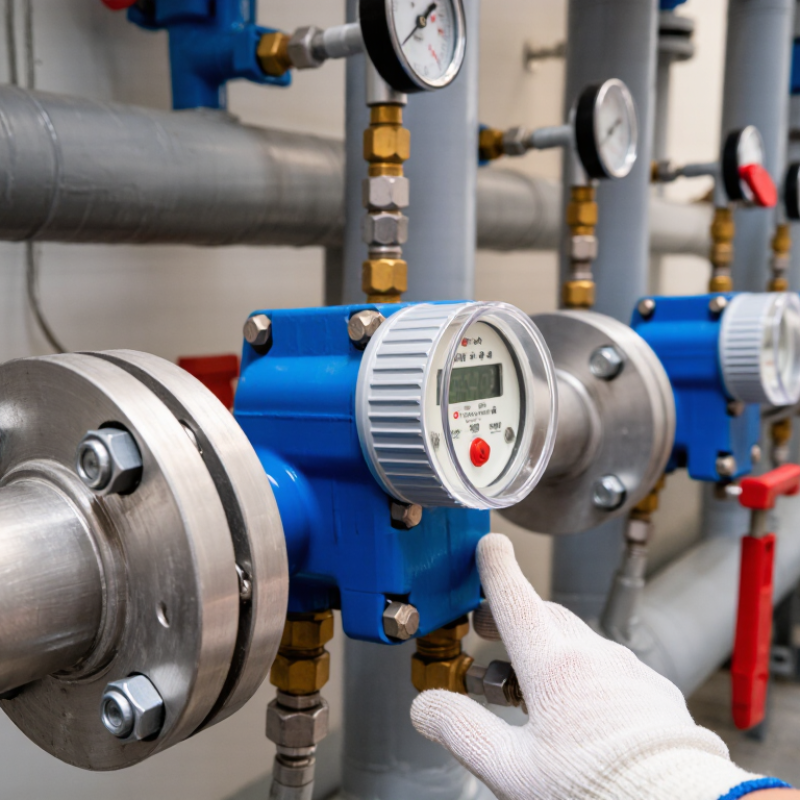
Before choosing a meter, map when and where your business uses water. Review at least a year of bills, then compare them with daily operations: shift changes, cleaning, irrigation, cooling, and seasonal demand. A restaurant may have sharp kitchen peaks; a warehouse may use little water most days, then spike during washdowns. Averages can mislead. Check both normal flow and brief peak flows, plus the lowest flow you need to measure. A meter sized only by pipe diameter may miss small flows or struggle during demand surges.
Operating conditions matter too. Record water temperature, pressure, sediment, and whether pipes run indoors or outdoors. These details affect meter materials, installation, and maintenance. The USGS’s 2015 national water-use report estimated U.S. withdrawals at 322 billion gallons per day; thermoelectric power and irrigation together accounted for about 78 percent. That scale shows how widely water demands differ by activity, but your site data should drive the choice. The U.S. EPA’s WaterSense at Work guide recommends examining facility water uses and equipment. Compare its end-use approach with your own readings. One weak spot: a short audit can miss seasonal peaks. Check again when conditions change.
Choosing a business water meter starts with the flow pattern, not the pipe diameter alone. A small café with brief, low-flow periods has different needs from a plant running pumps all day.
Positive-displacement meters measure fixed volumes and can suit low or intermittent flow, though debris and moving parts require attention.
Turbine meters work well with relatively clean, steady water.
Electromagnetic meters suit conductive water and have no moving parts.
Ultrasonic meters can measure from outside a pipe, but installation and pipe conditions affect performance.
Not always simple.
The USGS report Estimated Use of Water in the United States in 2015 recorded withdrawals of about 322 billion gallons per day nationwide, 14 percent below 2010. That scale makes measurement quality consequential, but the national figure cannot predict a single site’s needs.
Compare the meter’s expected flow range with actual peak and overnight flows; a meter sized only for peak demand may miss small leaks. Then check water quality, pipe access, pressure loss, and available straight-pipe length.
For method selection, consider whether the meter measures velocity, displaced volume, or transit time. Ask suppliers for documented accuracy across your operating range, not just a best-case figure.
A tidy specification can still overlook installation realities.
Verify readings against a known volume after installation, and review them during quiet hours.
Choosing a water meter starts with the flow your business actually uses, not just the pipe diameter. Record typical demand, overnight minimums, and short peaks during equipment start-up or cleaning. A restaurant, for example, may have steady kitchen use and sharp morning surges.
Check the meter’s operating range. The expected flow should sit within its accurate measuring range, including quiet periods. Check the low end. A meter sized too large may miss small flows, such as a slow leak in a washroom. One sized too small can create excessive pressure loss during busy hours. Peak flow matters, but it should not be the only number guiding your choice.
Accuracy requirements depend on how readings will be used. For internal monitoring, consistent trend data may be enough; for cost allocation or process control, tighter accuracy may matter more. Compare stated accuracy across the actual flow range, not only at one test point. Ask how the meter performs at low flow, and confirm that the pipe, water quality, and installation conditions suit its design. Straight pipe requirements can be easy to overlook. They are not always convenient. A site survey and a few days of flow logging can expose assumptions before they become expensive.
Match the meter’s rated capacity and low-flow accuracy to your actual demand.
The chart shows common Q3 rating steps and the corresponding Q1 values for an R160 meter (Q1 = Q3 ÷ 160). Choose a rating that accommodates your expected continuous flow, while checking that your lowest regular flow is at or above Q1. Ratings and suitable pipe sizes vary by meter model, so confirm the manufacturer’s specifications before selecting a meter.
A water meter must match the conditions at your site, not just the pipe diameter. Check the expected flow range, operating pressure, water temperature, and installation position against the meter’s technical specifications. A meter that is oversized may record low flows poorly; one that is undersized can restrict flow or wear faster. Small details matter. Confirm whether the meter supports your pipe connection and whether straight-pipe distances are required before and after installation. These requirements vary by design, so verify them with the supplier or a qualified installer.
Compliance depends on how the readings will be used. For internal monitoring, your needs may differ from those for billing or regulated reporting. Check applicable local standards, approval requirements, and inspection rules before purchasing. Data features deserve equal care. Decide whether staff need a visual display, remote readings, alerts, or exports for monthly reports. Confirm the measurement interval, data-retention period, communication method, and compatibility with your existing monitoring system. A dashboard can look useful, but it may not provide the detail your maintenance team needs. I have seen selection plans focus on connectivity and overlook how often readings must be reviewed. That can mislead. Test the data workflow with a sample report before committing, and document any assumptions that still need checking.
A water meter that fits the pipe may still be a poor choice if installation requires major changes. Check the pipe diameter, available straight-run length, flow direction, and mounting position before comparing models. Some meters need a stable section of pipe; others tolerate tighter spaces but may need specific orientation. Access matters. Leave room to read the display, remove a strainer, or replace the unit without moving nearby equipment. If installation requires shutting down production, include that downtime in the cost estimate. A cheaper meter can become expensive when a cramped utility room makes every service visit longer.
Long-term costs depend on more than the purchase price. Ask how often the meter needs inspection, cleaning, calibration, or battery replacement, and whether those tasks require a specialist. Sediment can affect some installations, so consider whether a strainer is practical and how often it would need attention. That adds up. Compare replacement parts, service labor, and any fees for data access or remote monitoring. A simple maintenance log can show whether readings drift or blockages recur. It is tempting to assume a digital meter will always save labor, but that depends on connectivity and staff routines. I would not choose on estimated savings alone; real maintenance records may challenge the estimate.
Rob was always very honest and upfront about everything and took the time to explain everything I needed.
“highly recommended. They provided us with a great storage container with ontime services.”
“Bought a used container, its perfect, no leaks and in good condition.”
“Good service and prompt delivery. A great option for temporary storage at a decent price.”

Join our mailing list to get the latest storage container inventory and offers