Choosing a China-based Air Valve manufacturer requires more than comparing online prices. The right supplier should combine engineering knowledge, stable production, clear communication, and dependable quality control. Buyers must examine valve materials, pressure ratings, connection types, temperature limits, and compatibility with water, air, chemicals, or other media. A valve that looks strong in a catalog may fail when exposed to vibration, corrosion, or repeated pressure changes.
Real factory experience matters. Request production photos, inspection records, test procedures, and samples from the same production line. Check whether the manufacturer uses calibrated pressure equipment and traces each batch through documented records. Certifications can support credibility, but they should never replace practical verification. Confirm the certificate’s scope, issuing body, and expiration date. A factory visit or independent audit may reveal details that websites hide, such as poor storage conditions or inconsistent machining.
Do not choose by price alone.
Reliable manufacturers explain their tolerances, delivery schedules, warranty terms, and after-sales process clearly. They should also discuss design adjustments when your operating conditions are unusual. Some suppliers may offer impressive customization but lack sufficient testing capacity. That possibility deserves honest attention. Even experienced buyers can overlook small sealing details, incorrect thread standards, or unsuitable elastomers. Comparing several Chinese manufacturers with the same technical checklist reduces uncertainty. The final decision should balance verified performance, communication quality, production capability, and long-term service support. A careful selection process protects equipment, reduces maintenance costs, and creates a more dependable supply relationship.
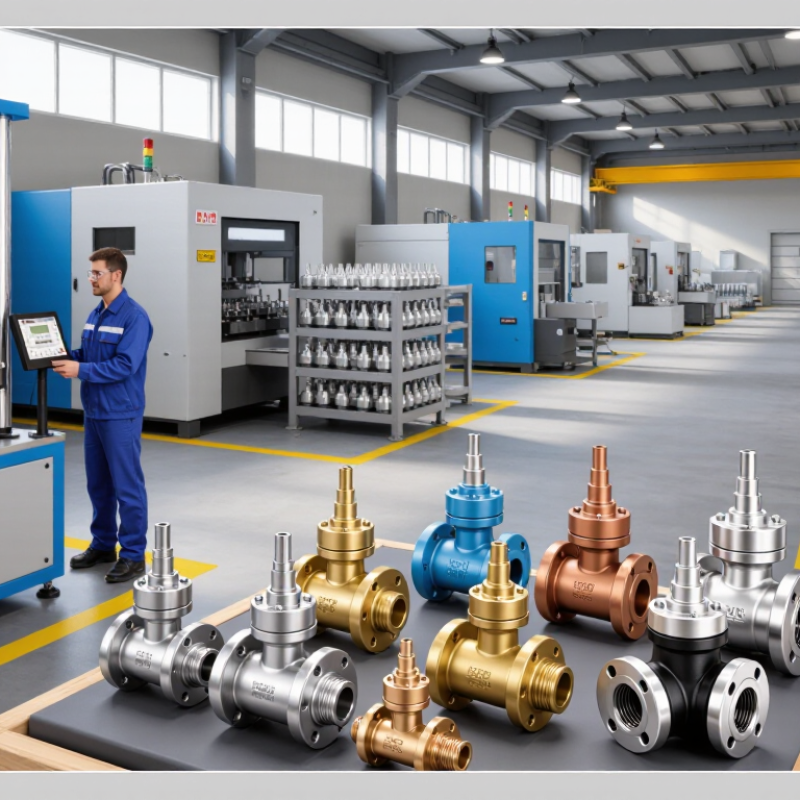
Choosing among China’s best air valve manufacturers starts with understanding valve types and operating conditions. Air release valves remove trapped air from pipelines during filling and operation. Air vacuum valves admit air when pressure drops, protecting pipes from collapse. Combination valves perform both functions and suit complex water systems.
Industrial applications determine the correct design. Water treatment plants often need corrosion-resistant bodies and reliable sealing. Irrigation networks require large discharge capacity and simple maintenance access. In compressed-air systems, check valves prevent reverse flow, while pressure relief valves protect equipment from excessive pressure. Material choice matters too. Stainless steel suits harsh environments, but coated iron may be more practical for standard water lines.
Tips: Confirm pressure, temperature, pipe size, fluid quality, and installation angle before requesting quotations. Ask manufacturers for test reports, material certificates, maintenance instructions, and service records. During evaluation, inspect thread quality, float movement, gasket condition, and coating consistency. A low price can hide weak testing or expensive maintenance. No valve fits every site. Engineers should review field conditions carefully, because small air pockets can create noise, vibration, and unstable flow. Even experienced teams sometimes select oversized valves, which may reduce efficiency. That detail deserves a second check.
Choosing among China’s best air valve manufacturers requires more than comparing prices. The correct supplier should understand pipeline conditions, applicable standards, and long-term maintenance needs. For water systems, ask whether products follow standards such as EN 1074-4, ISO 5208, or AWWA C512, when relevant. Standards must match the project, not merely appear on a certificate.
Performance begins with accurate sizing. A valve should release air during filling and admit air during draining or pressure loss. Review the required air-flow rate, operating pressure, vacuum conditions, and pipe diameter. Materials also deserve close attention. Ductile iron bodies, stainless-steel floats, protective coatings, and replaceable seals can improve service life in corrosive environments. The details matter.
A reliable manufacturer should provide pressure-test records, material certificates, dimensional drawings, and traceable inspection data. Ask how each valve is tested before shipment. Factory experience is valuable, but field performance deserves equal weight. Request installation references for similar water, irrigation, or industrial pipelines. Beware of vague claims about “high efficiency.” A supplier may meet a standard yet perform poorly under unusual flow conditions. I have seen specifications copied from older projects, which creates avoidable risks. Independent testing can expose those gaps. Field data wins. Manufacturers should also explain maintenance intervals, spare-part availability, coating checks, and response procedures. Clear answers usually reveal stronger engineering discipline.
| Evaluation Dimension | Relevant Standard or Reference | Key Performance Benchmark | Recommended Verification Method | Importance |
|---|---|---|---|---|
| Valve Function | EN 1074-4; AWWA C512 | The product should clearly identify its functions, such as air release during normal operation, air admission during pipeline drainage, and large-volume air discharge during filling. | Review the technical datasheet, operating principle, sectional drawing, and application range. Confirm whether the valve is single-function, double-function, or triple-function. | Critical |
| Nominal Pressure | EN 1074-1; EN 1074-4; ISO 5208 | The rated pressure should meet or exceed the pipeline design pressure. Common water-service pressure classes include PN10, PN16, PN25, and PN40, depending on the system. | Compare the nameplate, pressure-class certificate, design pressure, and hydrostatic test records with the project requirements. | Critical |
| Air-Release Capacity | EN 1074-4; AWWA C512 | The valve should release accumulated air effectively at operating pressure without causing excessive pressure loss or unstable float movement. | Request air-flow capacity curves showing performance at different pressure conditions. Confirm that the test medium and test pressure are documented. | Critical |
| Air-Admittance Capacity | EN 1074-4; AWWA C512 | The valve should admit sufficient air during pipeline draining or negative-pressure events to reduce the risk of vacuum damage and pipe collapse. | Review vacuum-protection calculations and test data for air intake capacity. Check compatibility with the pipeline drainage rate. | Critical |
| Pressure Tightness | ISO 5208; EN 1074-4 | The body and closure assembly should pass shell and seat leakage tests at the specified pressure. Leakage acceptance should be stated in the purchase specification. | Check factory pressure-test reports, inspection procedures, test duration, test pressure, and defined leakage limits. | Critical |
| Body Material | EN 1074-4; ASTM and EN material specifications | Common water-service materials include ductile iron, stainless steel, carbon steel, and engineered polymers. The selected material must suit pressure, temperature, water chemistry, and installation environment. | Request material certificates, chemical composition reports, mechanical-property data, and traceability records for pressure-retaining components. | High |
| Corrosion Protection | ISO 12944; applicable potable-water coating requirements | External and internal surfaces should have a coating system suitable for buried, exposed, or potable-water service. Coating thickness and surface preparation should be controlled. | Review coating type, surface-preparation grade, dry-film thickness records, adhesion-test results, and holiday-test reports where applicable. | High |
| Sealing Materials | EN 681-1; applicable potable-water regulations | Elastomers should be compatible with the conveyed fluid, temperature, disinfectants, and pressure conditions. EPDM is commonly used for many water applications, subject to project approval. | Check elastomer grade, temperature range, batch traceability, compatibility declaration, and relevant drinking-water conformity documentation. | High |
| Connection Type and Dimensions | ISO 5752; EN 1092-2; ASME B16.5 where applicable | Flange dimensions, drilling pattern, face-to-face length, and end connections must match the pipeline or chamber design. Metric and ASME dimensions should not be mixed without confirmation. | Compare certified dimensional drawings with the project piping standard. Verify bolt-hole pattern, flange rating, outlet size, and installation clearance. | Critical |
| Operating Temperature | EN 1074-1; manufacturer design specifications | The specified temperature range should cover the minimum and maximum service temperatures, including possible transport, storage, and flushing conditions. | Review the product temperature rating and confirm that body, float, seals, coating, and fasteners are rated for the complete operating range. | High |
| Float and Internal Mechanism | EN 1074-4; AWWA C512 | Floats and internal components should resist corrosion, deformation, and sticking. The mechanism should operate reliably under repeated filling, draining, and pressure cycles. | Inspect material specifications, cycle-test records, internal clearances, cleaning access, and the design’s resistance to debris-related malfunction. | High |
| Water Hammer and Surge Protection | EN 1074-4; hydraulic transient design practice | The air valve should be selected as part of the pipeline surge-control strategy. Large-volume air discharge should not create unacceptable transient pressure. | Request a hydraulic transient analysis that considers valve location, closing behavior, pipeline profile, flow velocity, and filling or draining rates. | Critical |
| Installation Orientation | Manufacturer installation instructions; EN 1074-4 | The valve should be installed in the specified upright orientation and at suitable high points or designated locations in the pipeline profile. | Check installation drawings, required isolation valves, access clearance, air-release piping, drainage provisions, and chamber ventilation requirements. | High |
| Maintenance and Cleaning | EN 1074-4; project maintenance requirements | The design should permit inspection, flushing, seal replacement, and removal of internal debris without unnecessary pipeline disassembly. | Review maintenance manuals, spare-parts lists, recommended service intervals, access requirements, and the availability of replaceable sealing components. | High |
| Factory Quality Control | ISO 9001; ISO 5208; project inspection plan | A reliable manufacturer should maintain documented control over incoming materials, machining, assembly, coating, pressure testing, and final inspection. | Evaluate the quality-management certificate, inspection and test plan, calibration records, nonconformance procedure, and product traceability system. | Critical |
| Testing and Documentation | EN 1074-4; ISO 5208; contractual requirements | Each supply batch should be supported by product drawings, data sheets, pressure-test records, material certificates, coating reports, operation manuals, and conformity documents. | Use a document checklist before shipment and verify that serial numbers, test records, certificates, and supplied valves are fully traceable. | Critical |
| Application Suitability | Project specifications; local water authority requirements | The selection should reflect the actual medium, pipe diameter, elevation profile, flow conditions, pressure range, water quality, climate, and installation environment. | Perform a technical submittal review using system data rather than selecting only by nominal diameter or purchase price. | Critical |
| Lifecycle Cost | Project lifecycle-cost methodology | Total cost should include purchase price, installation, inspection, energy or head-loss impact, spare parts, maintenance, coating renewal, and expected service life. | Compare technically equivalent offers using a lifecycle-cost model and confirm warranty terms, spare-parts availability, and after-sales service capability. | High |
Note: Final air-valve selection should be based on the applicable project specification, pipeline hydraulic analysis, local regulations, and the latest edition of the referenced standards.
A capable air valve manufacturer should show more than polished photographs and broad product claims. Ask for material certificates, pressure-test records, and dimensional inspection reports. A reliable factory can trace each valve from raw material to final packaging. That matters when a valve operates beside compressors, pipelines, or dusty production equipment.
Visit the production area if possible. Check whether machining equipment is maintained, measurement tools are calibrated, and assembly stations are organized. Look for practical details, such as clean sealing surfaces, protected threads, and consistent torque control. Manufacturers with strong technical capabilities can explain flow rates, operating pressure, temperature limits, and corrosion risks in clear language. They should also provide drawings, tolerance data, and test methods before production begins. Silence is a warning sign.
Quality testing should match the valve’s real working conditions. A serious manufacturer may perform leakage tests, pressure tests, cycle tests, and surface inspections. Ask how failed samples are recorded and corrected. No factory is flawless. The important issue is whether its quality team investigates causes instead of hiding defects. I would also compare sample valves with mass-produced units, because an excellent sample can sometimes disguise uneven production. That check is easy to overlook. Supplier evaluation should include engineering response time, spare-part support, packaging protection, and documented change control. Technical confidence grows from evidence, not promises.
China Best Air Valve Manufacturers: How to Choose?
When comparing air valve manufacturers in China, product range should match your operating conditions, not simply look extensive. Check pressure ratings, temperature limits, valve materials, connection standards, and available sizes. A reliable supplier should provide drawings, test records, material certificates, and clear installation guidance. I usually request samples before approving a large order. Small details matter, such as thread accuracy, sealing surfaces, and corrosion resistance. They can affect maintenance costs later.
Customization deserves practical discussion. Ask whether the engineering team can review drawings, adjust actuators, change coatings, or develop special connections. Confirm sample charges, tooling ownership, and revision procedures in writing. Pricing should include testing, packaging, spare parts, and transport, rather than only the unit price. I once focused too heavily on a low quotation. The final cost increased after extra inspection and packaging changes. That mistake still influences my supplier checks. Delivery performance also needs evidence. Request a realistic production schedule, inspection date, shipping method, and response plan for delays. A factory may promise fast delivery, but capacity changes during peak seasons. Regular progress updates and pre-shipment inspection reduce unpleasant surprises. Recheck every assumption.
Selecting the best China air valve manufacturer starts with the application, not the lowest quotation. Define the medium, working pressure, temperature, connection size, cycling frequency, and installation environment. A valve for clean compressed air may need different seals from one exposed to moisture, oil, or outdoor dust. Ask for material grades and pressure ratings in writing. “Suitable for many systems” is not a specification. Keep the requirement clear.
An experienced supplier should provide drawings, test procedures, dimensional tolerances, and traceable inspection records. Request sample valves when the project is sensitive. Check whether production tests cover leakage, operating torque, pressure resistance, and coating quality. Certificates deserve careful review. Verify their scope, issuing body, and validity instead of trusting a scanned logo. Factory capacity also matters. A workshop may produce excellent prototypes but struggle with repeatable batches. That gap can become expensive.
Evaluate communication as part of quality. Can the engineering team answer technical questions without hiding behind sales language? Ask how nonconforming parts are isolated, documented, and corrected. Review export packaging, spare-part access, lead times, and after-sales response. A factory visit or independent inspection adds useful evidence. Do not choose from photographs alone. They can look perfect. A trial order may reveal installation issues that drawings miss. Leave room to revise the specification after field feedback, because no selection process is flawless.
Nominal pressure (PN) is a common technical specification used when comparing industrial air valves. Select a valve whose pressure rating exceeds the system’s maximum operating pressure, and verify compatibility with the applicable material, temperature, leakage, and testing requirements.
Rob was always very honest and upfront about everything and took the time to explain everything I needed.
“highly recommended. They provided us with a great storage container with ontime services.”
“Bought a used container, its perfect, no leaks and in good condition.”
“Good service and prompt delivery. A great option for temporary storage at a decent price.”

Join our mailing list to get the latest storage container inventory and offers