Electric motors drive pumps, fans, compressors, and conveyors across industrial facilities. The International Energy Agency’s 2011 report, Energy-Efficiency Policy Opportunities for Electric Motor-Driven Systems, estimated that these systems use about 45% of global electricity. The figure is broad, but it shows why motor control choices deserve careful attention. Small decisions matter.
An Ac Magnetic Starter combines a contactor with overload protection to start and stop an AC motor. Choosing one involves more than matching a label to a motor. Check the motor’s voltage, full-load current, horsepower, starting method, and expected operating cycle. Then consider the control-circuit voltage, enclosure rating, ambient conditions, and available fault protection. A unit that fits the current rating may still be unsuitable for frequent starts or a hot, dusty installation.
IEC 60947-4-1 covers electromechanical contactors and motor-starters, including relevant performance requirements. It provides a useful technical reference, but it does not replace checking the motor nameplate or the starter manufacturer’s selection tables. Those details matter. A selection checklist can still miss site-specific realities, such as long cable runs or unusually heavy loads. That is where assumptions should be questioned, not hidden. This guide explains how to compare starter ratings, protection features, and installation needs, so you can make a better-informed choice for your application.
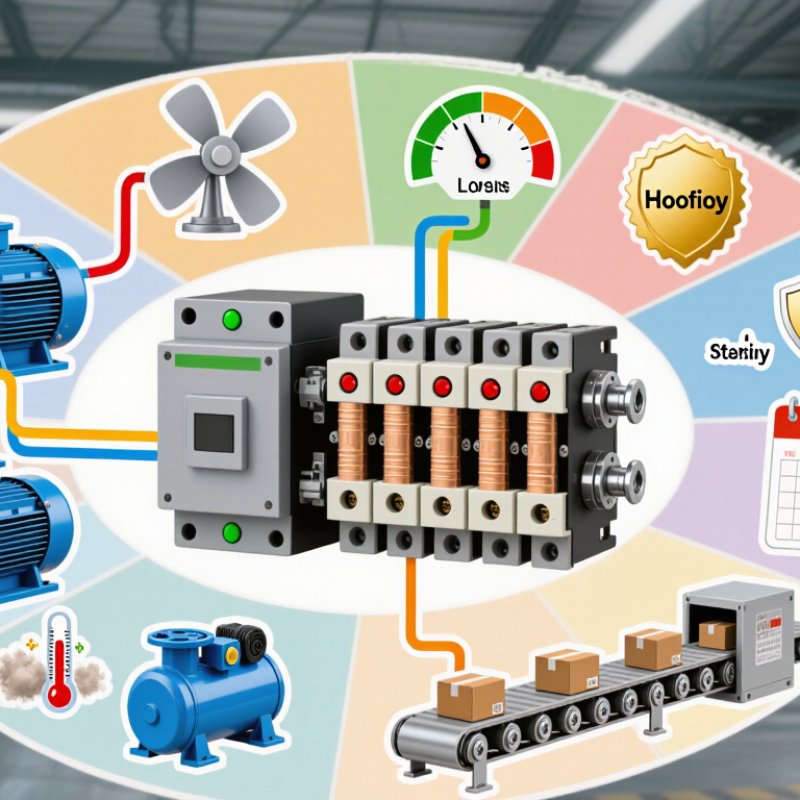
An AC magnetic starter switches a motor on and off through an electromagnetic coil. When energized, the coil pulls a movable armature toward a fixed core. This closes the main contacts and sends power to the motor. When control power stops, a spring opens the contacts. That matters. The starter also commonly includes an overload relay, which interrupts the control circuit if the motor draws excessive current for too long.
The coil, contacts, overload relay, and enclosure each affect suitability. Contacts must handle the motor’s current and switching duty; undersized contacts can overheat or wear prematurely. The coil’s control voltage is a separate specification from the motor’s supply voltage. One detail is easy to overlook: a starter that fits electrically may still be poorly suited to a hot, dusty, or damp installation. Check the equipment documentation and the actual operating conditions.
Before choosing an AC magnetic starter, read the motor nameplate and record its rated voltage, phase, and full-load current (FLA). A plate might show 230/460 volts and three phases; the supply voltage must match the connection used. Do not choose from horsepower alone. Two motors with equal horsepower can draw different current.
Check the starter’s motor-voltage and phase ratings, then confirm that its overload relay covers the motor’s nameplate FLA. The relay setting must follow the equipment instructions and applicable electrical requirements. The coil voltage is a separate detail: it controls the starter and may differ from the motor supply voltage. Small details matter. A wrong coil can prevent the starter from pulling in, even when the power circuit is suitable.
This check is easy to rush. A worn or hard-to-read nameplate can leave the voltage uncertain, so verify the motor documentation before ordering. Also confirm that the supply is single-phase or three-phase, rather than assuming from the wiring. The starter does not replace appropriate upstream short-circuit protection. When ratings or wiring are unclear, have a qualified electrician verify them; guessing at FLA can lead to nuisance trips or inadequate overload protection.
Read the motor nameplate before selecting an AC magnetic starter. Note the motor’s voltage, phase, frequency, and full-load current. The starter’s operating-voltage and motor-power ratings must suit the motor and supply; its current rating must cover the motor’s full-load current under the stated operating conditions. Do not confuse these with the coil voltage. The coil must match the control circuit, which may use a different voltage from the motor supply. Easy to overlook. A 230-volt motor does not automatically need a 230-volt coil.
Check the starter’s duty rating for the motor’s load and switching pattern. For many squirrel-cage motors, an AC-3 rating is relevant, but confirm the application and manufacturer’s selection data. Choose an overload relay whose adjustment range includes the motor’s nameplate current, then set it according to the relay instructions and motor requirements. A relay that cannot reach the correct setting is the wrong fit, even if the contactor looks substantial. Also verify that the starter assembly is suitable for the available fault current and installation environment. Dust, heat, and frequent starts matter. It is tempting to size by horsepower alone; that shortcut can miss a voltage or current mismatch. Recheck every rating against the actual nameplates.
An AC magnetic starter’s overload protection should match the motor, not just the starter frame. Check the motor nameplate current and select a relay with an adjustable range that includes it. Set the relay according to the motor and relay instructions. A correctly chosen trip class can allow normal starting current while responding to a sustained overload. Small details matter. For a pump that starts under load, an unsuitable setting may cause nuisance trips. A setting that is too high can leave the motor exposed to overheating. Overload relays do not replace short-circuit protection; coordinate them with an appropriately selected upstream protective device.
Control features should suit how the equipment is operated and maintained. Confirm the coil’s control voltage, then consider whether operators need local start and stop buttons, remote control, or both. Auxiliary contacts can support status signals or electrical interlocks, such as preventing two machines from running together. For motors that may lose a phase, check whether the overload relay offers phase-loss sensitivity. That distinction matters. Ambient heat inside a crowded enclosure can also affect performance, so verify the specified operating conditions. I would recheck the wiring diagram and motor data before ordering; it is easy to assume an existing control voltage will remain suitable after a system change.
Compare overload relay trip classes when selecting protection for a motor’s starting characteristics.
The bars show the IEC trip-time ranges at 7.2 times the overload current setting: Class 10A, 2–10 seconds; Class 10, 4–10 seconds; Class 20, 6–20 seconds; and Class 30, 9–30 seconds. Choose a class that allows the motor to start without nuisance tripping while still providing suitable overload protection. Confirm the relay’s specifications and set it to the motor’s nameplate current.
An AC magnetic starter must suit the place where it will operate, not just the motor rating. Indoors, a clean, dry cabinet may be adequate. Dust, dripping water, washdown, or corrosive air can require a more protective enclosure. Check the enclosure’s IP rating under IEC 60529, or its NEMA type where applicable. These systems classify protection differently, so do not assume their ratings match directly. Also verify the starter’s rated voltage, current, and short-circuit protection against the motor and supply.
Installation details matter. Allow room for wiring, heat dissipation, and safe access to the disconnect. A starter in a hot, crowded panel may need derating; the nameplate rating alone does not tell the whole story. The U.S. Department of Energy’s industrial motor-system sourcebook reports that motor-driven systems use about 70% of industrial electricity. That scale makes correct selection and maintenance worthwhile. IEC 60947-4-1 covers electromechanical contactors and motor starters; confirm the edition and local requirements with a qualified electrical professional. Real sites are messy, and the ideal enclosure can still be the wrong choice.
Tips: Note ambient temperature, moisture, dust, and available panel space before ordering. Photograph the mounting location. Then check the manufacturer’s installation limits and applicable standards.
Rob was always very honest and upfront about everything and took the time to explain everything I needed.
“highly recommended. They provided us with a great storage container with ontime services.”
“Bought a used container, its perfect, no leaks and in good condition.”
“Good service and prompt delivery. A great option for temporary storage at a decent price.”

Join our mailing list to get the latest storage container inventory and offers