Choosing a Weld Ball Valve in 2026 is not just a matter of matching pipe size. The right choice depends on the fluid, pressure, temperature, operating frequency, and installation conditions. A valve that performs well on a clean-water line may struggle with abrasive media or frequent thermal cycling. Small details matter. Seat material, ball finish, weld-end dimensions, and actuator clearance can shape long-term reliability.
A practical rule for this guide comes from an illustrative valve specialist, Alex Morgan: “Choose for the real operating conditions, not the ideal ones on a datasheet.” This is an original editorial line, not a sourced quotation. It reflects a common selection challenge: buyers may know the nominal pressure but overlook temperature swings, flow direction, or maintenance access. Measure the pipe carefully. Check the stated material grades and pressure-temperature ratings against the actual service conditions. Confirm whether the valve is intended for full-bore flow, throttling, or isolation; these duties are not interchangeable.
This outline will examine body and trim materials, seat options, connection details, actuation, and quality documentation. It will also flag practical questions to ask suppliers, such as how weld ends are protected during installation and how the valve can be inspected afterward. No single specification fits every system. Verify critical details with the manufacturer and a qualified engineer before purchase. A careful check now can prevent an expensive mismatch later.
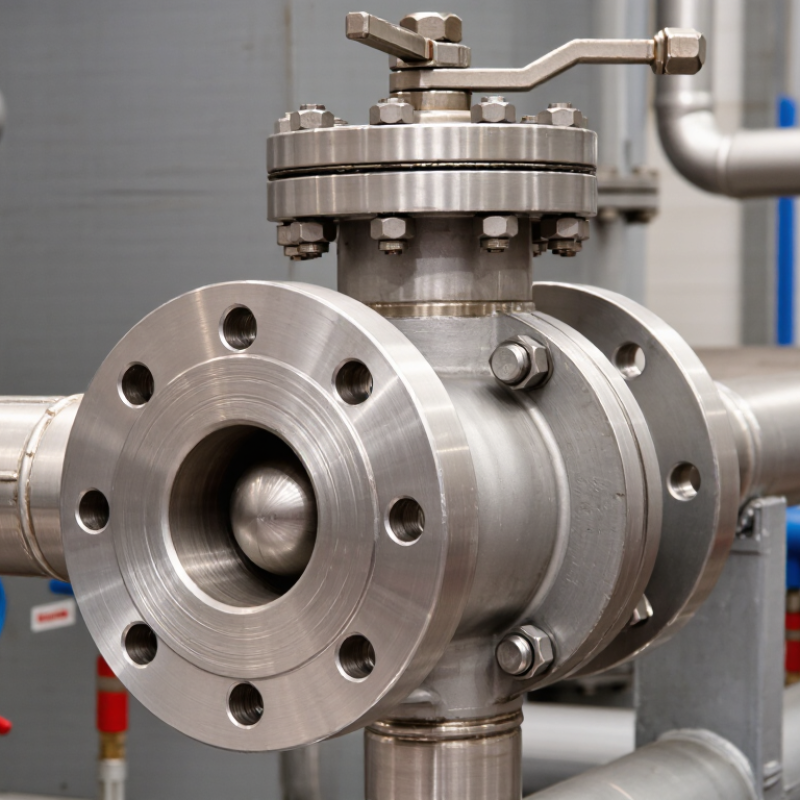
How to Choose a Weld Ball Valve in 2026?
Record operating pressure, temperature, media, and flow requirements before comparing valve designs. Note normal conditions and the highest credible pressure and temperature during startup or cleaning. A valve’s rating must suit the actual operating range, not just the usual reading. Write it down. Small details matter.
Identify the media clearly, including concentration, solids, and any cleaning chemicals. Compatibility depends on the body, ball, stem, and seat materials together. A corrosive liquid or frequent temperature swings can change which material combination is appropriate. If the media varies by season or process stage, record each condition. Guessing can be costly.
Then define the required flow and pressure drop. A full-bore valve may reduce restriction, while a reduced-bore design can affect flow capacity. Check the valve’s flow data against the piping system and required operating rate. Also note whether the valve will be opened often, left in one position, or operated automatically. Welded connections can make later replacement more involved, so installation access deserves attention. A neat specification sheet helps, but it cannot capture every process change; review assumptions with the piping or process engineer before ordering.
How to Choose a Weld Ball Valve in 2026?
Start by matching its ASME B16.34 pressure class to the maximum operating pressure and temperature—not just the normal line reading. A class number is not a universal pressure value. ASME B16.34 pressure-temperature tables show why: for Group 1.1 carbon steel at 100°F, the listed ratings are approximately 285 psi for Class 150, 740 psi for Class 300, 1,480 psi for Class 600, 2,220 psi for Class 900, 3,705 psi for Class 1500, and 6,170 psi for Class 2500. These figures are material- and temperature-specific. Check the exact valve material and applicable table.
For a welded installation, also confirm the body rating, end preparation, wall thickness, and pipe schedule are compatible. The weld does not raise the valve’s pressure class. Account for temperature changes and credible pressure surges; a system that normally runs at 500 psi may need a higher class if its design conditions demand it.
Not quite obvious. A common selection error is treating “Class 600” as a fixed 600-psi limit. It is not. Use the governing ASME B16.34 edition and the project design conditions, then have the rating checked against the actual material specification.
Choosing the next class up can feel reassuring, but it may add cost without resolving a mismatch in temperature rating or end connection.
For a weld ball valve, specify butt-weld ends to ASME B16.25 and verify the standard’s edition on the purchase drawing. ASME B16.25-2022 covers weld-end preparation; a 37.5-degree bevel is common for some wall thicknesses, but it is not universal. Match the bevel, root face, pipe schedule, and wall thickness before welding. Small mismatch. Big consequences. A sharp internal step can disturb flow and complicate inspection, even when the outside weld looks neat.
Choose the body material for the actual fluid, temperature, pressure, and corrosion conditions—not just the pipe grade. ASME B16.34-2020 provides pressure-temperature rating requirements for valves, but its ratings do not replace a compatibility check for the process fluid. For example, CF8M stainless steel and carbon-steel bodies behave differently in corrosive service and may expand differently as temperatures change. Confirm body, ball, stem, and seat materials together; a suitable body alone is not enough. Ask for material test reports, heat numbers, and weld-end dimensions. Then compare them with the line specification. Still, paperwork is not proof: verify markings and dimensions on the delivered valve.
| Selection Dimension | Specification or Data to Define | Practical Check |
|---|---|---|
| Butt-weld end preparation | Specify butt-welding ends prepared in accordance with ASME B16.25. | Confirm the end preparation and bevel details match the applicable piping design, wall thickness, and welding requirements. ASME B16.25 covers butt-welding end preparation; it does not establish the valve’s pressure rating. |
| Pipe size and wall thickness | State nominal pipe size (NPS), pipe schedule or specified wall thickness, and the applicable pipe dimensional standard. | Check that the valve end outside diameter and bore transition suit the connecting pipe. Do not assume that pipes with the same NPS have the same wall thickness. |
| Pressure and temperature | Provide design pressure, design temperature, operating range, and any pressure-test requirements. | Check the selected valve’s pressure-temperature rating under the applicable construction standard, such as ASME B16.34, and confirm that the rating covers the service conditions. |
| Body material: carbon steel | ASTM A216 Grade WCB is a commonly specified cast carbon-steel valve-body material. | Consider it for compatible general-service applications. Verify corrosion allowance, fluid chemistry, minimum design temperature, and the material’s applicable pressure-temperature limits. |
| Body material: stainless steel | ASTM A351 Grade CF8M is a commonly specified cast stainless-steel material with molybdenum. | Assess resistance to the actual fluid and environment. Stainless steel is not universally resistant to chlorides, acids, or other corrosive media; confirm suitability with the project material specification. |
| Body material: low-temperature service | ASTM A352 Grade LCC is a low-temperature carbon-steel casting grade used for applicable services. | Confirm the specified minimum design metal temperature, impact-testing requirements, and governing code. Select by certified material properties and service conditions rather than grade name alone. |
| Ball and trim materials | Specify ball, stem, and other wetted trim materials separately from the body material. | Check corrosion, erosion, galling, and compatibility with the process fluid. A matching body and trim alloy is not automatically required or automatically suitable. |
| Seat and seal materials | Identify seat, stem packing, and seal materials, such as PTFE-based or other application-specific materials. | Verify chemical compatibility, pressure and temperature limits, permeation concerns, and cycle requirements for the exact grade. Do not rely on a generic polymer name as a complete compatibility assessment. |
| Port and flow capacity | Specify full-port or reduced-port construction and required flow capacity. | Compare the valve bore and pressure drop with the piping and process requirements. A full-port valve generally provides a larger flow passage than a reduced-port design of the same nominal size. |
| Valve design and pressure rating | Define the valve type, size, class or pressure rating, and applicable design standard; ASME B16.34 is commonly used for valve pressure-temperature ratings. | Confirm the selected construction standard and rating are appropriate for the project. Do not infer a pressure class from NPS, end preparation, or body material alone. |
| Fire-safe or emissions requirements | When required, specify the applicable fire-test or fugitive-emissions qualification, such as API 607 or ISO 10497 for fire testing, or ISO 15848-1 for fugitive emissions. | Check the exact standard edition, qualification scope, valve configuration, and project requirements. These qualifications are not implied by butt-weld ends. |
| Welding and installation | Define the applicable piping code, approved welding procedure, welder qualifications, inspection, and post-weld treatment requirements. | Use qualified welding procedures and protect the valve seats, seals, and internal components from damaging heat or contamination. Follow the valve manufacturer’s installation instructions. |
| Documentation and acceptance | List required material certificates, inspection and test records, traceability, and pressure-test documentation. | Align documentation and acceptance criteria with the purchase specification, governing code, and project quality plan before ordering. |
Selection note: Final material and rating choices depend on the fluid composition, design conditions, piping code, and project specifications. Confirm compatibility and dimensional details against current applicable standards and certified valve documentation.
How to Choose a Weld Ball Valve in 2026?
Start with the service conditions, not the valve’s appearance. Record the fluid, pressure, temperature, and expected cycling. Then check the applicable edition of API 608 and confirm that the valve’s design and documentation match the project requirements. API 608 is a useful reference, not proof that a valve suits every installation.
Inspect the ball and stem materials for compatibility with the fluid and operating temperature. Seats need equal care: a soft seat may seal tightly, but its temperature and chemical limits matter. Small details count. Compare full-bore and reduced-bore designs against flow needs, and verify weld-end dimensions and preparation before ordering. A tidy drawing can still leave important details unclear; ask for the dimensional and material records.
Actuation should match both operating frequency and required torque. Manual handles suit some services, while gear operators or powered actuators may be practical for larger valves or remote operation. Check the actuator’s torque margin across the pressure range, and specify the intended fail position where relevant. Finally, review pressure-temperature ratings, inspection, and testing documents against the purchase specification. Don’t assume a familiar configuration is automatically the right one.
Check the ball, seat, bore, and actuation against API 608 requirements and your project’s service conditions.
How to read this chart: Each bar represents one selection point to review; it is not a compliance score or an API 608 acceptance limit. Confirm the applicable API 608 edition, pressure-temperature rating, end connections, and testing requirements. Check ball, seat, bore, and actuator suitability for the specified fluid, pressure, temperature, and operating needs; actuator selection may also depend on project requirements.
Choosing a weld ball valve in 2026 starts with line conditions, not a catalogue photo. Record design pressure, temperature, fluid composition, and the welding procedure before comparing options. For pressure verification, request inspection and test records tied to the applicable API 598 edition. Check that the test medium, hold time, and acceptance criteria are documented. Shell and closure tests matter. Confirm the valve’s size, pressure class, and test results match the purchase specification; a certificate alone does not explain what was tested.
For sour service, verify metallic pressure-containing and wetted parts against ISO 15156 for the actual H₂S environment. Body, ball, stem, and weld-end material details should be traceable. Review material chemistry, hardness, heat treatment, and any applicable environmental limits. H₂S partial pressure, pH, temperature, and chlorides can affect material suitability. Welding can also change local hardness, so check the qualified welding procedure and any required hardness controls. A material name alone is not enough.
Ask for records that connect the valve’s heat numbers and test results to the delivered unit. Small gaps matter. Process data are sometimes estimated, and that uncertainty should be stated rather than hidden. If operating conditions may change, have the materials review cover the credible range, not just today’s normal values.
Rob was always very honest and upfront about everything and took the time to explain everything I needed.
“highly recommended. They provided us with a great storage container with ontime services.”
“Bought a used container, its perfect, no leaks and in good condition.”
“Good service and prompt delivery. A great option for temporary storage at a decent price.”

Join our mailing list to get the latest storage container inventory and offers