In today's world, effective container storage has become a vital component for both personal and business needs. With the rise of urban living and space constraints, understanding how to maximize container storage solutions is crucial. Many struggle with organizing their belongings in a way that is not only efficient but also accessible.
The first step in mastering container storage is choosing the right containers for specific items. Not all containers are created equal. Consider the material, size, and purpose. High-quality containers can protect your possessions better. Additionally, labeling containers improves visibility and eases retrieval. However, even the best solutions may require adjustments over time as needs change.
Reflecting on past attempts can yield valuable insights. What worked previously? What did not? Each failure presents a lesson. Adapting storage solutions is an ongoing journey. By focusing on practical strategies, you can develop a system that enhances your life. A well-organized container storage system can reduce stress and save time. It's about more than just storage; it's about creating a functional living space.
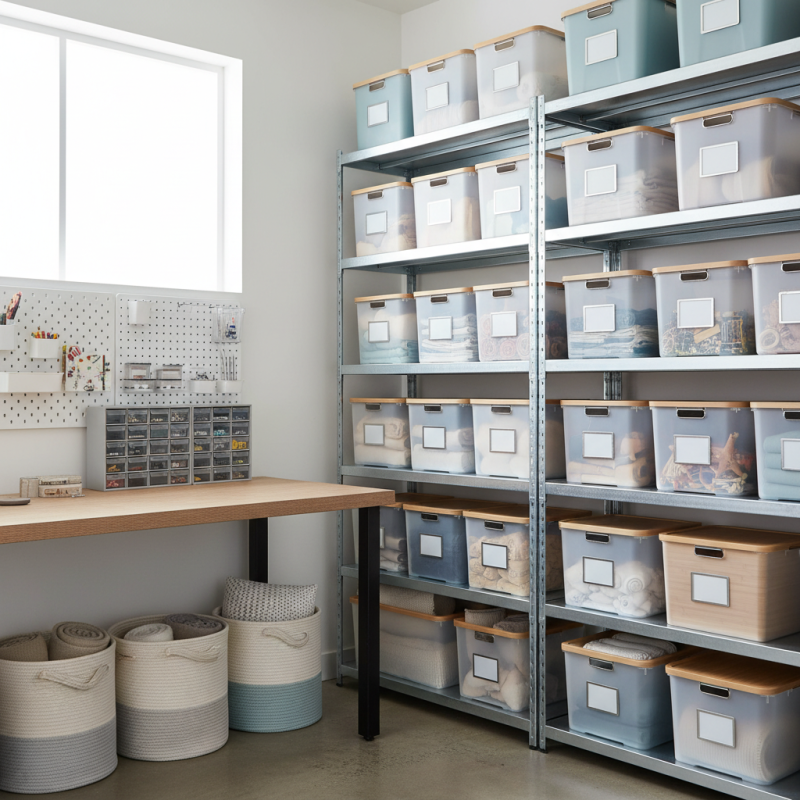
Container storage solutions are becoming increasingly vital as businesses seek efficient ways to manage their inventory and resources. The global container storage market is projected to grow at a CAGR of 5.2% from 2023 to 2030, driven by heightened demand for space optimization. Effective container storage involves more than just stacking boxes; it requires an understanding of layout, accessibility, and organization.
Optimizing storage layouts can significantly reduce space wasted. For example, companies report saving up to 30% in storage space through effective organization methods. Implementing a systematic approach aids in inventory management, reducing the time spent locating items. However, it is crucial to balance high-density storage with accessibility. Some companies prioritize space over accessibility, leading to inefficient operations and employee frustration.
Using technology like inventory management software enhances the reliability of container storage systems. Such tools can automate tracking, ensuring accurate data. According to industry reports, organizations integrating technology into their storage solutions see a 25% improvement in operational efficiency. Still, reliance on technology without proper training may lead to errors, emphasizing the need for a thoughtful approach to implementation.
| Tip Number | Tip Description | Benefits | Best Practices |
|---|---|---|---|
| 1 | Choose the Right Container Size | Maximizes Space Utilization | Assess your storage needs before choosing |
| 2 | Label Everything Clearly | Facilitates Easy Access | Use durable label materials |
| 3 | Use Shelving for Organization | Increases Vertical Space | Implement modular shelving units |
| 4 | Consider Climate Control | Protects Sensitive Items | Use insulated containers |
| 5 | Optimize for Accessibility | Reduces Time Finding Items | Place frequently used items at the front |
| 6 | Regularly Purge Unused Items | Creates More Space | Set a schedule for evaluations |
| 7 | Product Safety and Security | Prevents Loss and Damage | Implement locks and monitoring |
| 8 | Utilize Clear Containers When Possible | Helps Quickly Identify Contents | Choose BPA-free options for safety |
| 9 | Maintain an Inventory List | Helps Track Stored Items | Update regularly after accessing items |
| 10 | Plan for Future Growth | Ensures Lasting Solutions | Anticipate future needs during planning |

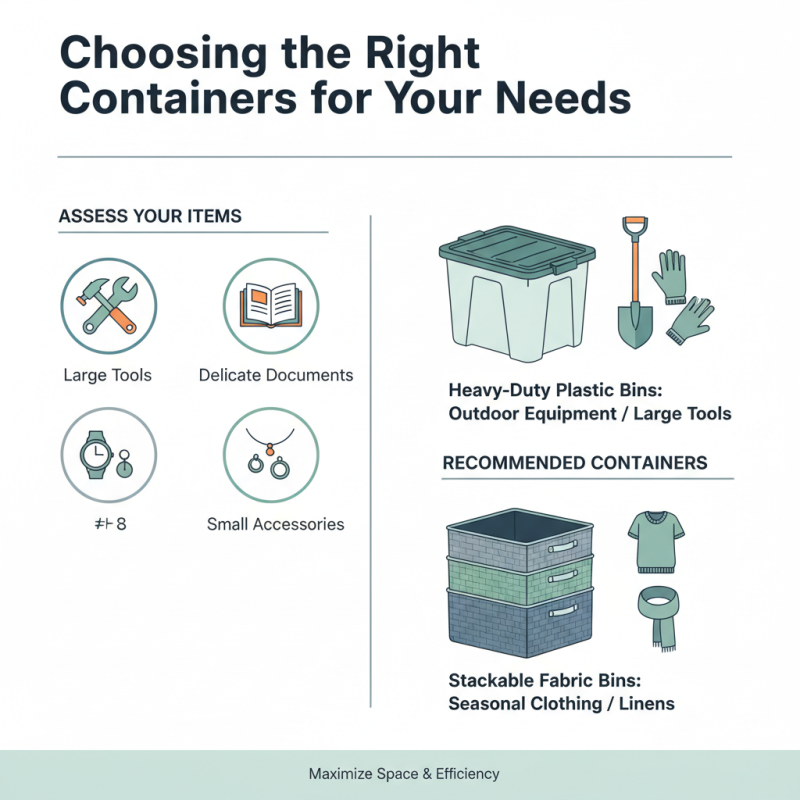
Choosing the right type of containers for your storage needs is vital for maximizing space and efficiency. Start by assessing the items you need to store. Are they large tools, delicate documents, or small accessories? Each category requires a different approach. For example, heavy-duty plastic containers are excellent for outdoor equipment. Alternatively, stackable fabric bins may work well for seasonal clothing.
Consider the environment where the containers will be used. Will they be inside a damp garage or exposed to sunlight? Waterproof and UV-resistant materials are essential for outdoor storage. On the other hand, breathable containers help prevent mildew inside a closet. Reflect on your preferences, too. Do you prefer transparent containers for easy visibility or opaque ones for a cleaner look?
Don't underestimate the importance of size and organization. Oversized containers can waste space, while too-small ones may cause clutter. Think about how often you’ll need to access certain items. Group frequently used items together, and use labeling for clarity. This organization can be a game changer. Remember, choosing containers isn’t just about practicality; it’s about creating a functional and visually appealing space.
Efficient container organization is key to maximizing space and enhancing productivity. Studies show that 30% of time is wasted searching for items in poorly organized spaces. Properly arranging containers can significantly reduce this wasted time and improve work efficiency.
One effective tip is to categorize your containers. Group similar items together. For instance, keep all kitchen supplies in one area and tools in another. This simple act can streamline your workflow. Use clear bins or labels to identify contents easily. Visibility plays a crucial role in reducing search times. An organized space leads to fewer distractions and a more focused atmosphere.
Consider the vertical space available. Utilize shelving to store containers off the floor. This makes it easier to access items while keeping the area tidy. Reports indicate that vertically organized spaces can increase storage efficiency by up to 50%. Reflect on your current organization system. Are there areas that need improvement? Regularly reevaluate your layout to adapt to changing needs. Each small adjustment can lead to a more functional environment.
This bar chart illustrates the effectiveness of various container storage solutions based on user satisfaction ratings. The data represents the perceived efficiency of different methods used for organizing containers.
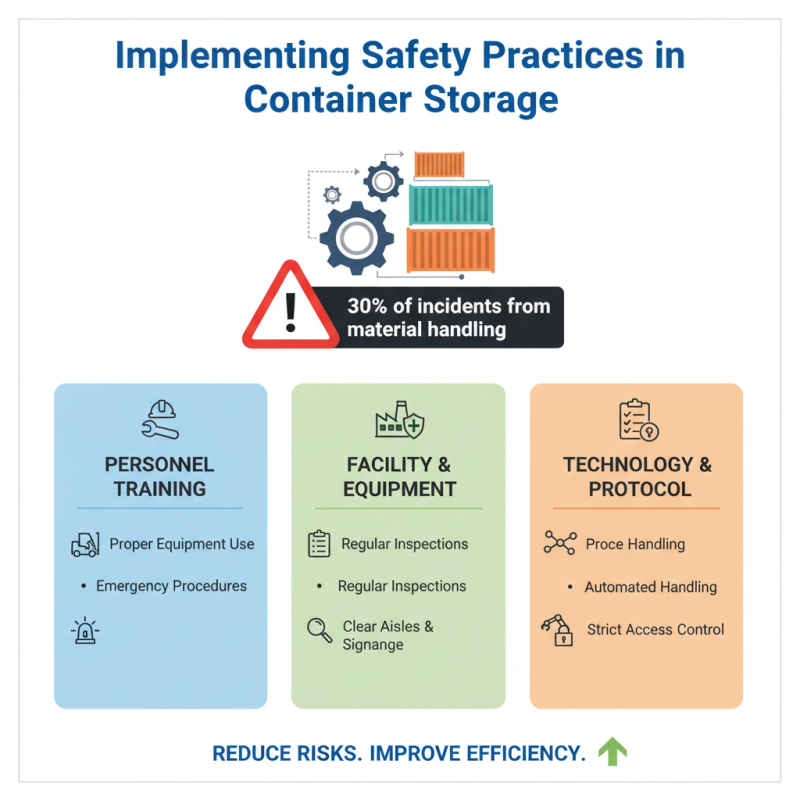
Container storage is a critical aspect of supply chain management. However, safety remains a paramount concern. According to industry data, over 30% of workplace incidents occur during material handling. Implementing effective safety practices can significantly reduce these risks.
One essential tip is to ensure proper training for all personnel involved in container storage. Employees must understand how to handle containers safely to prevent injuries. Regular safety drills are also vital. They cultivate a culture of safety and keep workers alert. OSHA reports indicate that companies with regular safety training see a 25% reduction in workplace accidents.
Another critical practice is maintaining clear pathways. Cluttered pathways can lead to falls or even accidents with forklifts. It is recommended to have at least 36 inches of clear space around storage areas. Regular inspections should be conducted to identify potential hazards. Regardless of the precautions, complacency can still creep in. Facilities must continuously reassess their storage practices to ensure compliance with evolving safety standards and improve effectiveness.
Regular maintenance and inspection of storage containers are crucial for ensuring their longevity and effectiveness. Keeping containers in good condition protects your stored items from damage. Inspect for rust, leaks, or structural issues at least twice a year. Look closely at hinges and seals; these areas often show wear first.
Cleaning your containers is another essential task. Remove debris and check for signs of pests. A clean container is less likely to develop problems over time. Consider using a mild detergent to wash the exterior and prevent mold growth. Think about weatherproofing as well, especially in harsh climates.
Documenting your maintenance routine can also be very helpful. Create a checklist for inspections and cleaning schedules. This practice not only stays organized but also serves as a reference for future evaluations. Reflect on past issues to improve practices. Learning from previous mistakes can enhance your process significantly. Regular attention to these details can save time and money in the long run.
Rob was always very honest and upfront about everything and took the time to explain everything I needed.
“highly recommended. They provided us with a great storage container with ontime services.”
“Bought a used container, its perfect, no leaks and in good condition.”
“Good service and prompt delivery. A great option for temporary storage at a decent price.”

Join our mailing list to get the latest storage container inventory and offers