What Are Electric Hand Shears for Gardening?
Electric Hand Shears For Gardening are powered pruning tools designed to trim stems and small branches with less hand effort than manual secateurs. Most are battery-powered, though designs and cutting capacities vary. A motor moves a sharpened blade against a fixed counter-blade, making repeated pruning quicker for many routine garden jobs. The tool is not a miniature chainsaw. Branch thickness and wood hardness still matter.
This introduction looks at how electric hand shears work, where they can help, and what to check before choosing a pair. Gardeners may use them to shape shrubs, remove spent growth, or maintain fruit trees, depending on the model’s rated capacity. Look for clear specifications, a comfortable grip, accessible controls, and replacement-blade availability. Battery runtime matters too, especially when pruning several beds or a long hedge. Small details count.
Safety deserves equal attention. Keep fingers away from the blades, wear suitable eye protection, and follow the manufacturer’s instructions for charging, cleaning, and storage. Never force a cut the tool cannot handle. That can damage the shears or leave a rough wound on the plant. These tools can save effort, but they do not make every cut better. I should admit one limitation: advertised cutting capacity may not match every gardener’s experience, since branch condition and blade sharpness affect results. Knowing those limits helps readers decide whether electric shears suit their plants, workload, and comfort level.
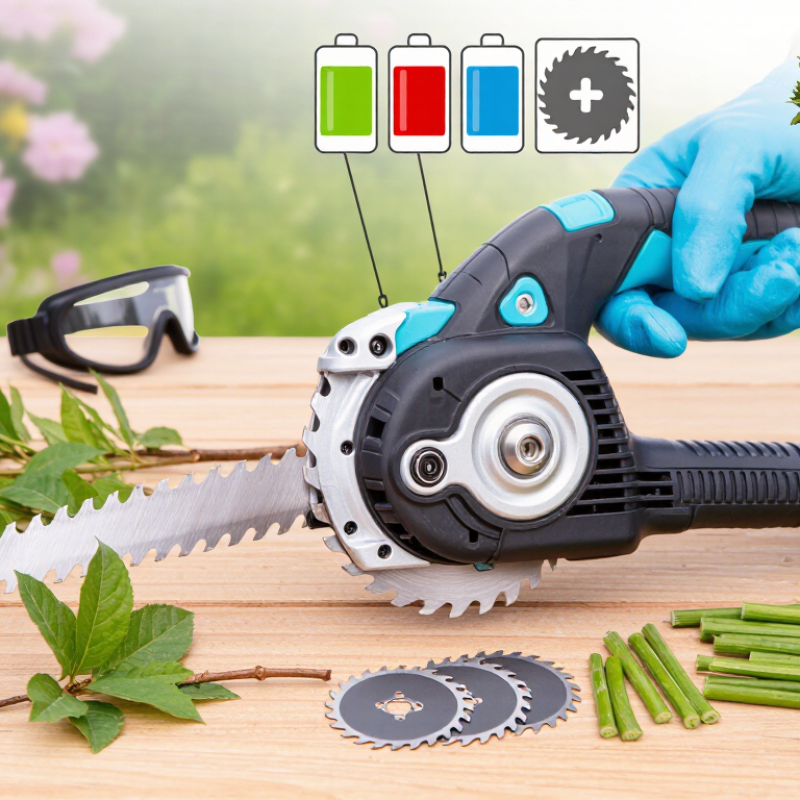
Definition and Purpose of Electric Hand Shears
Electric hand shears are powered pruning tools designed to cut stems with less hand pressure than manual secateurs. Most use a small motor to drive sharp, overlapping blades, with a battery supplying power. The user holds the tool in one hand and makes targeted cuts on shrubs, vines, fruit trees, or ornamental plants.
Not every stem. Thick, woody branches may exceed a tool’s cutting capacity and need a pruning saw instead.
Their purpose is to make repeated pruning less tiring, especially when shaping many plants or working through dense growth. A clean cut can help limit crushed or torn stem tissue, but blade sharpness and correct positioning matter.
Place the blades just above a healthy bud or branch junction, and check the tool’s stated cutting limit before tackling a stem. Worth checking. Keep fingers clear of the blades, even when the tool is switched off; some models can still close if the trigger is pressed.
Electric shears can speed up routine work, but they do not choose the right branch for you. That judgment takes care, and sometimes a slower cut is the better one.
Key Components and How Electric Hand Shears Work
What Are Electric Hand Shears for Gardening?
Key Components and How Electric Hand Shears Work
Electric hand shears combine a battery, motor, cutting head, and controls in one handheld tool. The battery supplies power, while the trigger signals the motor to start. A small transmission transfers the motor’s rotation into movement at the blades. Many models use a moving blade that closes against a fixed counter-blade, much like a pair of pruning scissors. The cleanest cut usually comes from placing the branch fully between the blades, rather than catching it near the tip.
The cutting head may include a blade guard, and the handle often has a safety lock or trigger sequence to reduce accidental operation. These details matter when hands are close to stems and twigs. Not complicated.
Cutting capacity varies by tool, so check the maker’s stated limit before tackling thicker branches. Forcing a branch that is too large can strain the motor or leave a ragged cut. Battery charge, sharp blades, and a clear cutting head also affect performance. After use, switch the tool off and follow its manual for cleaning; remove or disconnect the battery first when instructed. The controls can feel less intuitive than expected, especially with gloves, so practice on small, low-risk stems before working around delicate plants.
Common Types and Power Sources
Electric hand shears are commonly designed for pruning or for trimming fine growth. Compact pruning shears use short blades to cut individual stems, such as rose canes or small fruit-tree branches. Bypass blades pass one another, making a clean cut on fresh, living growth. Anvil-style blades press material against a flat surface and may suit dry, dead stems, though they can crush tender growth. Some tools have longer blades for shaping soft hedge tips or grass edges. The categories blur a little, so check the tool’s stated cutting capacity before buying.
Power comes from either a rechargeable battery or a mains cord. Battery-powered shears move freely around beds and trees, but their runtime depends on battery size, plant density, and how often the blades cut. Keep a spare battery only if longer sessions justify the cost. Corded shears can run continuously near an outlet, yet the cable can snag on branches or limit movement. That matters. For occasional pruning in a small garden, a light cordless tool may be convenient; for repeated work near a fixed work area, a corded model may be practical. Neither option removes the need to keep blades clean and sharp, and thick, woody branches can stall a tool beyond its rated capacity. My judgment would change with the garden itself.
What Are Electric Hand Shears for Gardening? - Common Types and Power Sources
| Configuration | Power Source | Cutting Mechanism | Typical Uses | Main Considerations |
| Cordless bypass pruning shears | Rechargeable battery, commonly lithium-ion | Two blades pass one another, similar to traditional bypass secateurs. | Pruning live stems, flowers, and small branches where a clean cut is useful. | Portable and convenient away from an outlet. Runtime depends on battery capacity, workload, and cutting conditions. |
| Cordless anvil pruning shears | Rechargeable battery, commonly lithium-ion | A moving blade cuts against a fixed, flat anvil. | Cutting dry or dead plant material and other stems suited to an anvil-style cut. | Can crush soft or live stems more than a bypass mechanism. Check the tool’s stated cutting capacity before use. |
| Corded electric pruning shears | Mains electricity through a power cord | Usually a powered blade mechanism operated by a trigger or switch. | Pruning in a fixed work area where a suitable outlet is available. | The cord limits reach and needs careful handling around plants, walkways, and the cutting area. These models are less common than cordless versions. |
| Battery-powered shears with interchangeable blades | Rechargeable battery pack | Blade assembly may be changed to suit different pruning tasks, depending on the model. | Gardeners who want one powered tool for more than one kind of cutting task. | Blade compatibility and suitable materials vary by tool. Use only attachments specified for that model. |
Note: Electric hand shears are powered pruning tools designed to reduce repeated hand effort. They are different from larger electric hedge trimmers. Always follow the tool’s instructions, wear appropriate eye protection, and keep hands clear of the blades.
Gardening Tasks Suited to Electric Hand Shears
Electric hand shears suit repetitive, clean cuts on soft-to-medium stems. Use them for deadheading roses, trimming lavender, shaping young shrubs, and removing thin grape canes after harvest. They can also speed up routine pruning in small orchards, where many similar cuts are needed. The USDA National Agricultural Statistics Service counted 1,900,487 U.S. farms in its 2022 Census of Agriculture. That figure does not measure pruning work, but it shows the broad range of settings where farm and garden maintenance happens.
Look for stems that fit the tool’s stated cutting capacity. A sharp blade should slice through a stem without crushing it; test an inconspicuous branch first. Electric shears are less suited to thick, dry limbs, awkward cuts near wires, or delicate plants that need selective hand pruning. Not every fast cut is a good cut. Keep the blade clean between plants, especially when disease is suspected, and pause to check the plant’s shape rather than trimming by sound alone. The trigger can make repeated work feel easy, but it does not judge where a cut belongs. For heavy branches, use a proper pruning saw.
What Are Electric Hand Shears for Gardening?
Gardening Tasks Suited to Electric Hand Shears
Electric hand shears are powered tools for making repeated pruning cuts. Ratings are qualitative, from 1 (less suited) to 5 (well suited), based on cutting repetition and typical stem size—not measured performance. Check the tool’s stated cutting capacity; use loppers or a pruning saw for thicker branches, and hedge shears for shaping broad hedges.
Benefits, Limitations, and Safe Use
Electric hand shears are battery-powered pruning tools that close a cutting blade with a trigger. They can make repeated cuts easier on the hand, especially when tending many small branches or shaping shrubs. A clean cut can also be quicker than using dull manual shears. Still, the tool’s cutting capacity varies, so check its instructions before tackling thicker stems.
There are trade-offs. The battery adds weight, needs charging, and may run low during a long session. These shears can also cut faster than expected; convenience can invite overconfidence. I would not treat them as a shortcut for every branch. Tough, awkward, or oversized growth may call for a different tool, and forcing the blades can damage the plant or the shears. Pause and reassess.
Safe use starts before the trigger is pressed. Wear eye protection and snug gloves, inspect the blades and battery, and keep your free hand away from the cutting head. Stand on stable ground and avoid reaching overhead. Switch the tool off and remove its battery before clearing a jam or cleaning the blades. Keep cuts within the maker’s stated limit. It is easy to miss a small hazard when focused on the branch, so slow down—especially near hidden stems or slippery ground.