Blogs | Great Lakes Kwik Space

How to Choose Travertine Marble for Your Project

Choosing Travertine Marble is not just a color decision. It means balancing appearance, performance, maintenance, and budget. Grand View Research’s Natural Stone Market Analysis estimated the global market at about US$34.8 billion in 2023, reflecting the wider demand for stone in buildings and interiors. That figure covers many stone types, not travertine alone. Market growth cannot tell you whether a particular slab suits your project.

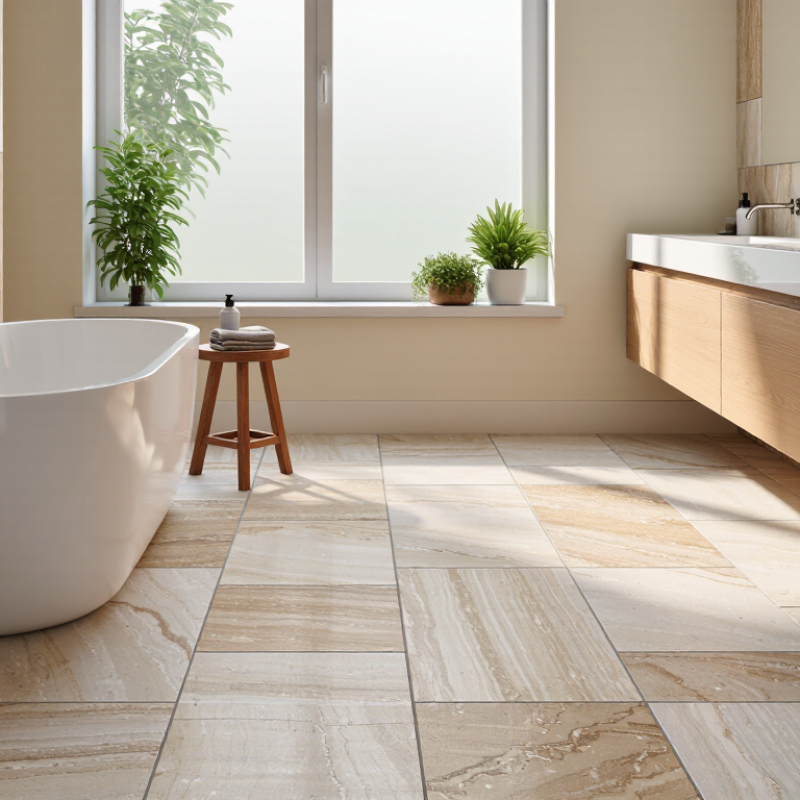
Start with the setting. Travertine’s natural pores and layered markings can create a warm, tactile surface, but they also affect cleaning and finish choices. Filled and honed tiles may feel quite different from unfilled, tumbled ones. For a bathroom floor, ask about slip performance and sealing requirements. For a kitchen counter, consider staining, etching, and the care products the supplier recommends. Small sample pieces help. View them in the actual room’s light.

Ask suppliers for product-specific test results, not broad claims about “durability.” ASTM C1527 covers travertine dimension stone, while ASTM C97/C97M measures absorption and bulk specific gravity. These standards provide useful comparison points; they do not guarantee identical performance across every slab or installation. The Natural Stone Institute’s Dimension Stone Design Manual also offers technical guidance for specifying stone. Check batch variation, thickness, finish, and installation details before ordering. One detail is easy to miss: maintenance expectations should be agreed on before selection, not after the first spill. Travertine Marble can be a lasting choice, but I would not choose it on photographs alone.
How to Choose Travertine Marble for Your Project

Define the Project’s Purpose and Installation Environment

Start by defining the stone’s job: a hallway floor, shower wall, kitchen surface, or outdoor patio will face different demands. Travertine is porous. Its natural pits may be filled or left open, changing its texture and cleaning needs. In busy entryways, grit can scratch softer finishes, so place a mat near the door and plan regular sweeping. In kitchens, lemon juice and vinegar can etch calcium-based stone; sealing helps resist stains but does not make the surface acid-proof. For showers and other wet areas, compare finishes and check slip-test data for the intended use. A rough texture may help, but it is not a guarantee.

Then study the installation environment. Outdoor stone needs suitable drainage and a product rated for local freeze-thaw conditions; trapped water can cause damage. Poolside locations also call for careful attention to surface texture and maintenance. Bring a sample to the actual room. Look at it in morning light and under evening lamps, since travertine’s veins and warm tones can shift noticeably. Confirm that the installer understands the stone’s thickness, substrate, and sealing requirements. One planning detail is easy to miss: the prettiest sample may be awkward to clean in a heavily used space. It is worth reconsidering the finish before ordering.

Compare Travertine Colors, Grades, and Surface Finishes

Travertine colors range from pale ivory and warm beige to walnut, silver, and gold. Light changes how these tones read, so compare samples beside your project’s paint, cabinetry, and natural light. A cream tile may look soft in a sunny room but yellow under warm bulbs. Ask to see several pieces, not just one. Small differences matter.

Grades are not universally standardized, and suppliers may use them differently. Ask what each grade means for pore filling, color variation, and visible marks. A more uniform selection can suit a quiet, consistent floor, while natural variation gives a wall or fireplace more movement. Request current photos or view the actual batch when possible. A tiny sample cannot show every variation.

Surface finish affects both appearance and maintenance. Honed travertine has a smooth, matte look that works well in many interiors. Tumbled or brushed finishes feel more textured and can soften the stone’s edges, though their pores may collect dirt more readily. Polished stone reflects light, but can show wear and may be slippery when wet. For bathrooms or outdoor areas, check slip performance and suitability for local conditions with your installer. Worth checking. Sealing needs also vary with the stone and installation. No sample tells the whole story.

How to Choose Travertine Marble for Your Project — Compare Travertine Colors, Grades, and Surface Finishes
Comparison Dimension Option Typical Appearance and Characteristics Common Project Uses Selection and Care Notes
Color Ivory and cream Light warm tones, often with subtle beige bands and natural variation. Interior floors, bathrooms, wall cladding, and bright, neutral schemes. Inspect several pieces together; veining and shade can vary between tiles and batches.
Color Beige and classic Tan to light brown tones with visible linear veins and occasional small cavities. Floors, fireplaces, feature walls, and traditional or Mediterranean-inspired spaces. Ask whether the material is supplied filled or unfilled, since this changes its appearance and surface texture.
Color Silver and gray Cool gray, taupe, or silver tones; some selections contain warm beige veining. Contemporary interiors, bathrooms, entryways, and accent walls. View a dry sample under the project’s lighting; gray tones can appear warmer or cooler in different settings.
Color Walnut and dark brown Deeper brown shades with pronounced bands and stronger natural contrast. Feature areas, fireplaces, floors, and spaces designed around richer earth tones. Variation may be more noticeable across a large installation; review a representative layout before ordering.
Trade grade Premium or select Often sorted for a more consistent appearance, with fewer visible defects or pronounced variations. Prominent floors, feature walls, and projects requiring a more controlled visual selection. “Premium” and “select” are supplier terms, not universal stone-grade standards. Confirm written sorting criteria and inspect the actual lot.
Trade grade Standard or commercial Typically allows a broader range of natural color variation, veining, and filled cavities. General flooring, wall applications, and projects where natural variation is acceptable. Grade labels vary between suppliers. Request samples from the production batch and clarify acceptable variation before purchase.
Surface finish Polished Smooth, reflective surface that can deepen color and make veining more prominent. Interior walls, decorative details, and dry areas where a glossy appearance is desired. Can show scratches and etching; polished stone may be slippery when wet. Check suitability for the intended floor use.
Surface finish Honed Smooth, matte or low-sheen surface with a more understated look. Interior floors, bathrooms, countertops, and contemporary spaces. Often chosen to reduce glare, but it is still porous and acid-sensitive. Use appropriate stone care products.
Surface finish Tumbled Softened edges and a visibly textured, aged appearance; frequently supplied with open or filled voids. Rustic floors, backsplashes, patios, and traditional designs. Texture and open cavities can collect dirt. For wet or exterior floors, verify slip performance and suitability for local conditions.
Surface finish Brushed Lightly textured surface with a soft, worn appearance and less sheen than a polished finish. Interior floors, outdoor paving where the selected stone is suitable, and relaxed natural-style schemes. Texture varies by producer. Confirm the finish on a full-size sample and check maintenance requirements.
Surface treatment Filled Natural voids are filled with a cement-based or resin filler to create a more continuous surface. Many interior floors, walls, and other applications where a smoother surface is preferred. Filling does not make travertine waterproof or maintenance-free; filler color and durability can vary.
Surface treatment Unfilled Visible natural cavities remain open, highlighting the stone’s porous structure. Rustic walls, selected exterior uses, and projects that intentionally feature a more textured surface. Open holes may trap debris or require suitable installation detailing. Confirm the intended use with the stone supplier and installer.
General suitability Wet areas and maintenance Travertine is a calcium-carbonate stone and can be etched by acidic substances such as vinegar or citrus juice. Bathrooms, kitchens, and other areas when the finish, installation, and care plan are appropriate. Use a stone-compatible cleaner and consider a suitable impregnating sealer. For floors, request test data for the actual finish and check local slip-resistance requirements.

Assess Durability, Porosity, and Maintenance Requirements

Travertine’s durability depends on its finish, thickness, installation, and daily use. A honed, filled tile usually feels smoother underfoot and is easier to wipe clean than an unfilled, tumbled surface. The latter’s pits add texture, but crumbs and soap can collect in them. Small details matter. For busy kitchens or entryways, ask how the specific tile performs under grit and repeated foot traffic. Travertine can wear well, but it is not as forgiving as some harder stones. A dropped pan may chip an edge.

Porosity affects both staining and upkeep. Travertine can absorb water and oils, so a suitable impregnating sealer may slow absorption; it will not make the stone stain-proof. Test it first. Put a sample beside your sink or shower, then try a few drops of water and your usual cleaner. Avoid acidic products, including vinegar, which can etch the calcium-based surface. Wipe spills promptly, use a pH-neutral stone cleaner, and expect periodic resealing according to the product instructions and actual use. A polished sample may look less porous, yet still need care. That distinction is easy to miss. Ask your installer how joints, grout, and wet areas will be handled, too; a well-sealed tile cannot compensate for poor drainage or trapped moisture.

Choose Suitable Sizes, Patterns, and Installation Methods

Choose tile sizes according to the room, traffic, and floor layout. Large tiles can make an open living area feel calmer, but they need a flat, stable base. Smaller formats suit shower floors and tight spaces, where extra grout lines can improve footing. Measure twice. For narrow halls, check how cuts will fall at doorways before ordering; thin edge pieces can look awkward and may be more vulnerable to chipping.

Travertine’s natural pores and color shifts make pattern choice important. Vein-cut pieces show linear bands, while cross-cut stone often has a softer, cloud-like movement. Request samples from more than one carton, then lay them out under the room’s actual lighting. A small sample can hide variation. Try a dry layout first, and mark pieces with strong veins so the installer can distribute them rather than cluster them.

Installation depends on the setting. Interior floors generally require a sound, level substrate and a compatible stone-setting mortar; wet areas need carefully detailed waterproofing beneath the tile. Exterior installations must account for drainage, temperature changes, and the stone’s suitability for local conditions. Discuss grout width, surface finish, and sealing needs with an experienced stone installer before work begins. I would not assume every travertine needs the same sealer or maintenance schedule. Even a careful plan may need adjustment once the full stone shipment is opened.

Set a Budget and Evaluate Supplier Quality

Set a realistic budget before comparing travertine marble. Include the stone, delivery, cutting, installation, sealing, and a small allowance for waste. Vein patterns, finish, thickness, and tile size can change the price. A lower quote may exclude important services. Small differences add up. Leave room for a few extra pieces, especially when the layout includes corners or narrow cuts. Your first estimate may need adjusting.

Supplier quality is more than a polished showroom display. Ask for clear photos of the actual batch, not only sample images. Check several pieces for color variation, filled pits, chipped edges, and consistent thickness. Natural stone varies, so a perfect match across every tile is unrealistic. Request written details on grade, finish, dimensions, packing, and delivery terms. If possible, inspect a sample under the lighting planned for the room. A sample can still differ from the delivered batch; keep that in mind.

Tips: Compare quotes using the same specifications. Ask how damaged pieces are handled, and confirm the quantity before ordering. Keep a record of agreed details. Don’t rush because a price looks attractive. A little patience helps, though it cannot remove every surprise.

Highly Trusted Local Portable Storage Solutions Since 1990

Rob was always very honest and upfront about everything and took the time to explain everything I needed. 

Nayla gamez awesome

“highly recommended. They provided us with a great storage container with ontime services.”

Carlos Montano

“Bought a used container, its perfect, no leaks and in good condition.”

Dudley Pankoke

“Good service and prompt delivery. A great option for temporary storage at a decent price.”

Joe Ward

Portable Storage FAQ

CLICK HERE

Storage Container News

CLICK HERE

Join our mailing list to get the latest storage container inventory and offers