Blogs | Great Lakes Kwik Space

How to Choose the Right Carbon Commutator for Your Needs?

Choosing the right Carbon Commutator begins with the machine it must serve. A small workshop motor and a heavily loaded industrial drive do not face the same electrical or mechanical demands. Current, operating speed, temperature, vibration, and duty cycle all affect the choice. The part must also match the assembly’s dimensions and connection details. Close measurements matter.

Stephen J. Chapman, author of Electric Machinery Fundamentals, provides a useful foundation in electric-machine principles. A practical selection reminder, paraphrased for this guide rather than presented as his verbatim words, is: “Match the commutator to the machine’s load, speed, and operating conditions.” That distinction matters. A technical-sounding quote should not be mistaken for a sourced statement.

This guide will help readers compare material, construction, and application requirements before choosing a Carbon Commutator. Look closely at the number and arrangement of segments, surface finish, insulation, and compatibility with the brushes. Ask the supplier for specifications and operating limits. Check those details against the motor’s service history, not just its nameplate. A commutator that fits on the bench may still run hot or wear unevenly in service. Small differences can matter. And some decisions remain uncertain until operating conditions are reviewed carefully. The aim is a sound, verifiable choice—not a confident guess.
How to Choose the Right Carbon Commutator for Your Needs?

Understanding the Function of a Carbon Commutator

How to Choose the Right Carbon Commutator for Your Needs?

Understanding the Function of a Carbon Commutator

A carbon commutator helps transfer electrical current between stationary brushes and a motor’s rotating armature. Its segmented surface changes the direction of current in the windings as the rotor turns. That switching keeps the motor producing torque in a consistent direction. Small parts, important work.

The brushes maintain contact with the commutator while it spins. This contact creates friction and gradual wear, so material, surface finish, and segment dimensions matter. A commutator that does not match the motor can cause uneven contact, excess heat, or sparking. These signs may also point to worn brushes or another fault, so they should not be blamed on one part alone.

When assessing a replacement, check the motor’s specifications, including operating speed, electrical load, and commutator dimensions. The right carbon grade depends on the design and working conditions; harder is not automatically better. Dust, moisture, and frequent starts can affect service life, too. Measure carefully, and compare the component with the motor maker’s service information. In practice, an apparently close fit can still leave poor brush contact. That detail is easy to overlook.

Identifying Equipment and Compatibility Requirements

Start with the equipment, not a catalog. Identify whether the carbon commutator is for a motor, generator, or another rotating machine. Record the model, rated voltage, current, speed, and duty cycle. Check rotation direction too. A unit used for brief starts may need different specifications from one running continuously. Small details matter.

Measure the commutator’s outside diameter, bore, length, and mounting features. Compare the segment count and spacing with the original part or service documentation. Confirm that the carbon grade suits the operating current and speed. The wrong grade can wear quickly, run hot, or make poor electrical contact. Ask about the intended brush material and contact pressure; these details are easy to overlook. Do not rely on appearance alone. Measure twice.

Inspect the machine before ordering. Look for uneven wear, scoring, discoloration, or excessive carbon dust around the commutator. These signs may point to alignment, bearing, or brush problems rather than a mismatched replacement. Use the equipment manual or measured dimensions to verify fit, and check any stated temperature and environmental limits. A part that fits the shaft may still be electrically unsuitable. If the old component has no readable markings, record its dimensions and operating conditions; some uncertainty may remain until the supplier confirms the match.

How to Choose the Right Carbon Commutator for Your Needs? - Identifying Equipment and Compatibility Requirements

Selection factor What to identify Compatibility requirement Practical check
Equipment type DC motor, universal motor, generator, or other commutated machine Choose a brush grade intended for the machine’s design and operating conditions; grades are not automatically interchangeable. Check the equipment documentation and the existing brush specification.
Brush dimensions Width, thickness, and length, measured in the correct orientation The brush must slide freely in the holder without excessive side clearance or binding. Measure the removed brush and holder; confirm units and tolerances before ordering.
Grade and material Electrographitic, resin-bonded, metal-graphite, or another specified carbon grade The grade must suit current density, commutator speed, machine design, and operating environment. Use the equipment maker’s specified grade where available; do not select by appearance alone.
Electrical loading Rated current, duty cycle, and current per brush The selected brush must be suitable for the machine’s specified current density and load profile. Compare the machine rating and brush arrangement with the grade manufacturer’s application data.
Holder and connection Holder shape, lead exit direction, terminal style, and lead length The brush, lead, and terminal must fit without obstructing movement or contacting rotating parts. Match the original lead arrangement and verify that the terminal can be secured correctly.
Spring pressure Brush-holder spring force and its condition Pressure should follow the machine specification; insufficient or excessive force can contribute to poor contact or wear. Inspect springs and measure force using the service procedure for the equipment.
Speed and commutator condition Operating speed, commutator surface, runout, and visible wear Brush grade and setup must suit the machine’s speed and a commutator in serviceable condition. Check for grooving, high bars, contamination, or uneven wear before fitting new brushes.
Environment Temperature, humidity, dust, oil, vibration, and ventilation Select a grade and installation suitable for the actual service environment and any contamination controls required. Review operating conditions and address sources of oil, conductive dust, or excessive moisture.
Replacement verification Part specification, orientation, wear pattern, and installation instructions A replacement should match the required specification, not merely the dimensions of a worn brush. Confirm the complete specification and follow the machine’s fitting and bedding-in procedure.

Note: Brush grades and operating limits vary by machine. Use the equipment documentation and qualified technical guidance to confirm the final selection.

Comparing Carbon Grades and Commutator Designs

Carbon grade and commutator design should be assessed together, not as separate specifications. A commutator is typically made from insulated copper segments; carbon brushes maintain electrical contact as it rotates. Electrographitic grades often suit higher speeds and demanding commutation, while softer grades may help form a stable contact film. The right choice depends on current, speed, pressure, temperature, and the motor’s operating cycle. No grade fits every duty.

Design details matter. Segment width, commutator diameter, mica insulation, and surface finish can affect brush contact and heat. A compact commutator running quickly may need a different brush grade from a larger unit carrying heavy current at low speed. Look for practical evidence: brush wear patterns, sparking during load changes, and the condition of the copper surface.

Small details count. A clean-looking specification sheet can still miss real operating conditions, especially frequent starts or dusty surroundings. Compare test results under the intended load, then check them against the equipment maker’s limits. If wear remains uneven, revisit both grade and geometry; changing the carbon alone may not solve it.

Matching Commutator Features to Operating Conditions

Choosing a carbon commutator starts with the motor’s real operating conditions, not a catalog description. Match the commutator’s dimensions and construction to the motor’s rated current, shaft speed, and available space. A compact motor may need a different balance of heat dissipation and wear resistance than a larger unit. Check the duty cycle, too: steady running creates different demands from frequent starts and stops. Heat matters. High ambient temperatures can add to frictional heating and shorten service life.

Humidity, dust, and vibration also influence performance. In a dusty enclosure, consider how easily the commutator and brush contact area can be inspected and maintained. For variable loads, confirm that the compatible carbon brush grade can carry the expected current without excessive wear or sparking. A harder grade may last longer in one setup, but it is not automatically better; contact quality and commutator wear must be considered together. Small differences count.

Before selection, verify shaft fit, segment dimensions, and the manufacturer’s limits for speed and current. If possible, assess the assembly under the actual load, then monitor temperature, brush seating, and sparking during initial operation. I would not treat one short test as proof of long-term reliability. Operating conditions change, and the first choice may need adjustment after inspection. Record what you observe; it makes the next decision less like guesswork.

How to Choose the Right Carbon Commutator for Your Needs?

Match commutator and brush features to the motor’s operating conditions.

These example operating profiles compare commutator surface speed with brush current density. Higher speed can make mechanical stability and wear resistance more important; higher current density can increase the need for suitable electrical conductivity and contact performance. Values are illustrative screening examples, not universal limits—confirm actual operating conditions and grade recommendations with the motor or brush manufacturer.

Checking Fit, Installation, and Maintenance Requirements

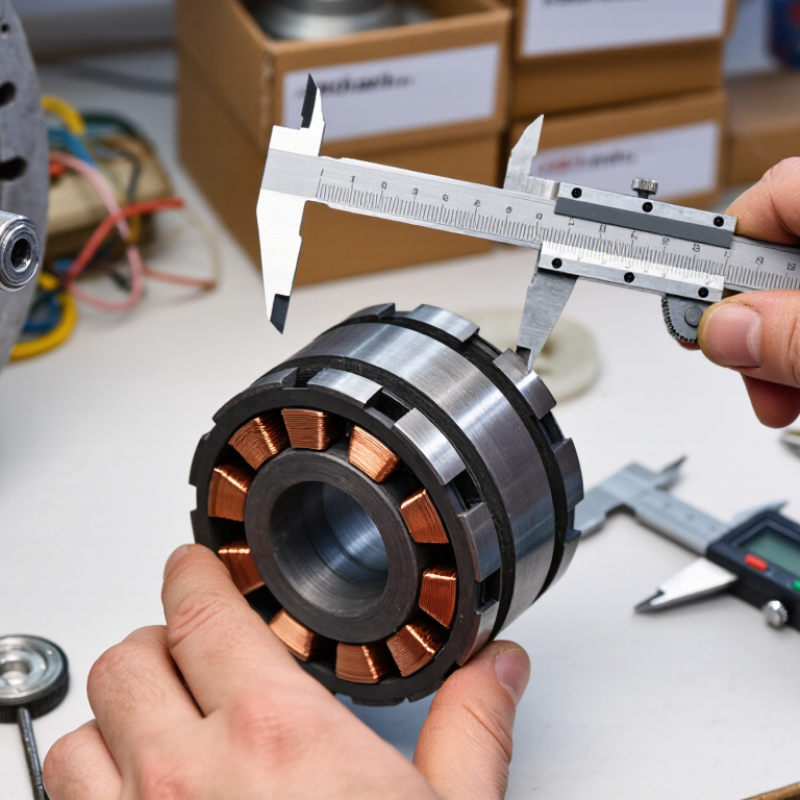
Choosing a carbon commutator starts with matching its dimensions to the motor, not just its appearance. Check the drawing or service manual for brush width, thickness, length, and terminal style. A caliper can help confirm measurements, but worn parts may no longer show their original size. Small gaps matter. The brush should slide freely in its holder without rocking or binding.

Before installation, disconnect power and inspect the holder, spring, and contact surfaces for dust, corrosion, or damage. Fit the commutator in the specified orientation, then make sure the spring applies steady pressure. Do not force a tight brush into place; it can chip or wear unevenly. Follow the equipment maker’s instructions for seating and initial operation, since procedures vary by motor. A correct-looking fit can still run hot if alignment or pressure is wrong.

Maintenance needs depend on the machine’s workload and surroundings. Dust, heat, and frequent starts can shorten service intervals, so check the commutator regularly for uneven wear, cracks, or excessive sparking. Keep it clean. Replace brushes as a matched set when required, and use parts with the specified grade and dimensions. If wear returns quickly, pause before changing parts again; the cause may be a damaged holder, weak spring, or rough commutator surface.

Highly Trusted Local Portable Storage Solutions Since 1990

Rob was always very honest and upfront about everything and took the time to explain everything I needed. 

Nayla gamez awesome

“highly recommended. They provided us with a great storage container with ontime services.”

Carlos Montano

“Bought a used container, its perfect, no leaks and in good condition.”

Dudley Pankoke

“Good service and prompt delivery. A great option for temporary storage at a decent price.”

Joe Ward

Portable Storage FAQ

CLICK HERE

Storage Container News

CLICK HERE

Join our mailing list to get the latest storage container inventory and offers