Choosing the best Bidet Toilet for your home involves more than comparing prices, seat shapes, or glossy advertisements. A suitable model should match your bathroom layout, plumbing access, electrical supply, and daily routines. Measure the rough-in distance carefully. Check the bowl’s length and height. A small mismatch can create uncomfortable clearance near the wall or vanity.
Comfort also deserves close attention. Look for adjustable water temperature, pressure, nozzle position, and seat warmth. A night light can help during late visits. Some households may value a deodorizing filter, while others prefer simple controls and fewer parts. Families with older adults should examine remote readability and side-panel access. Parents may need a gentle setting and an easy-to-clean surface.
Safety and reliability should guide the final decision. Review installation instructions before ordering. Confirm that the power connection suits your bathroom and that the unit has appropriate protection features. Recognized certifications in your region can provide useful reassurance, but certification alone does not guarantee perfect performance. Read the warranty, service terms, and replacement-part information. Ask whether local technicians can support the product.
No model is perfect. Maintenance matters. Filters need attention, nozzles require cleaning, and electronic features can eventually fail. A thoughtful choice balances hygiene, comfort, repairability, and long-term cost. This guide explains the key details to compare, helping you choose with clearer expectations rather than trusting impressive features alone.
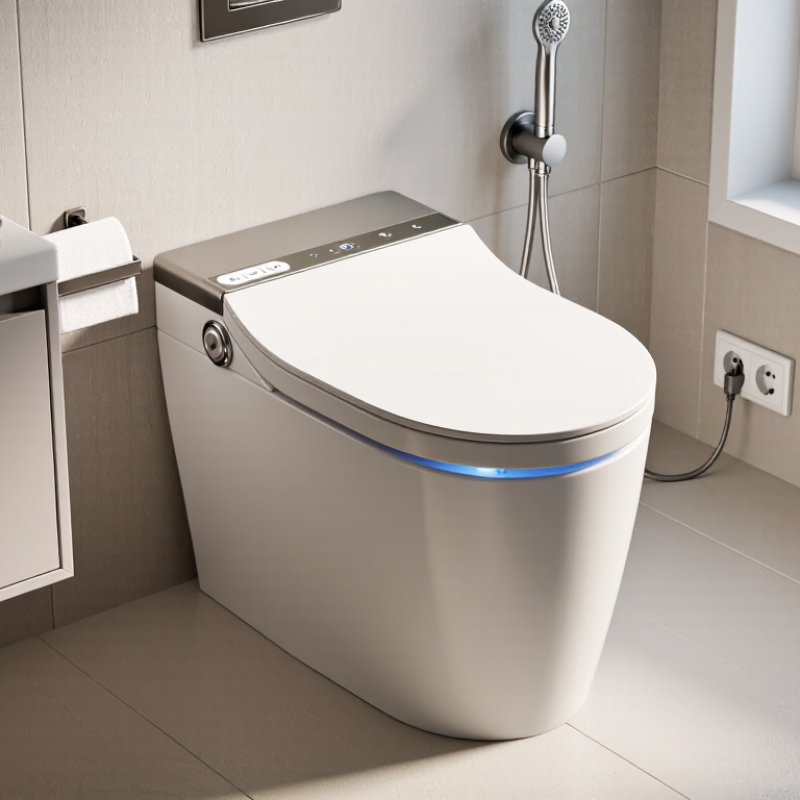
How to Choose the Best Bidet Toilet for Your Home?
Understanding Bidet Toilet Types and Core Features
Bidet toilets generally come in three forms: standalone bidets, bidet seats, and integrated smart toilets. A standalone bidet needs extra floor space and plumbing. A bidet seat fits many existing toilets, but compatibility is never guaranteed. Measure the bowl shape, hinge spacing, tank clearance, and nearby outlet. Integrated models combine the toilet and bidet in one streamlined unit. They usually offer heated seats, adjustable water pressure, warm air drying, and automatic flushing. Space matters. Measure twice.
Core features should match daily routines, not showroom excitement. Look for self-cleaning nozzles, temperature controls, an easy-to-reach side panel, and a manual backup function. Households with older users may value a night light and gentle spray settings. Water efficiency also deserves attention. The U.S. EPA WaterSense specification limits certified toilets to 1.28 gallons per flush, at least 20% below the conventional 1.6-gallon benchmark. The Water Research Foundation’s Residential End Uses of Water Study reports that toilets represent about 24% of indoor household water use.
Electrical safety and installation quality remain essential. Use a properly grounded outlet and follow local plumbing requirements. A bidet seat may appear cheaper, yet an awkward power cord or narrow bathroom can reduce comfort. A feature-rich toilet can also create a maintenance headache when controls become confusing. This is the part many buyers underestimate. Choose washable surfaces, accessible filters, and clear service instructions. Fancy is not always better.
Understanding Bidet Toilet Types and Core Features
This comparison shows features commonly built into each bidet toilet configuration. Integrated bidet toilets generally combine the most functions in one unit, while bidet seats add features to an existing toilet. Handheld sprays are the simplest option and usually require manual operation without electrical features. Exact functions vary by model, installation, and household requirements.
Choosing a bidet toilet begins with measuring your bathroom, not browsing features. I have seen attractive units fail because the door barely cleared the bowl. Measure the room’s length, width, and door swing. Leave comfortable knee space in front. Check the distance from the finished wall to the drain center. This rough-in measurement must match the toilet’s specifications. Mark the planned footprint with masking tape. It reveals awkward clearances quickly.
Plumbing details matter just as much. Locate the cold-water shutoff and confirm that it operates smoothly. The supply line should reach the inlet without sharp bends or strain. Inspect the floor around the existing toilet for softness or hidden leaks. A professional plumber can verify drain alignment and water pressure. Do not assume an old connection is reliable. My own early mistake was trusting a corroded shutoff valve; replacement delayed the installation.
Electrical planning deserves equal attention. Many bidet toilets require a nearby grounded outlet with appropriate protection for wet areas. An electrician should assess the circuit, outlet position, and local requirements before installation. Avoid extension cords behind the toilet. They can create clutter and may not provide suitable protection. Check whether the outlet remains accessible after the seat is installed. Space can be deceptive. A small wall gap may leave no room for the plug or service access. Inspections from a qualified tradesperson add confidence, especially in older homes.
Choosing the best bidet toilet starts with the daily experience, not a long feature list. I have tested units in homes with different bathroom layouts, and comfort varied more than expected. Look for adjustable water temperature, spray pressure, nozzle position, and seat warmth. A gentle setting matters for children, older adults, and sensitive users. A quiet closing lid also makes early-morning use less disruptive.
Hygiene depends on design and maintenance. Choose a self-rinsing nozzle with a protective position when not in use. A removable seat or accessible filter makes cleaning easier. Warm air drying can reduce toilet paper use, but it may not replace wiping completely. I once assumed the strongest spray offered the cleanest result. That assumption was wrong. Controlled pressure felt cleaner and caused less discomfort. Check whether the toilet includes an emergency manual flush during a power outage.
Safety deserves close attention. A heated seat should have stable temperature controls and automatic shutoff. Anti-slip surfaces help when the floor becomes wet. Families should also confirm that electrical components suit the bathroom’s approved installation requirements. Water efficiency is equally practical. Select a model with adjustable flow, efficient flushing, and a sensor that prevents accidental activation. Compare the toilet’s full water use, not only its advertised flush volume. Small differences become noticeable in a busy household. Measure twice. A comfortable seat is useless if the bowl, outlet, or water connection does not fit.
Installation affects daily comfort more than glossy specifications suggest.
Measure the bathroom carefully, including the toilet’s rough-in distance and available door clearance. Floor-mounted models usually simplify replacement work, while wall-hung designs require stronger framing and concealed plumbing. Electrical models may also need a grounded outlet and ground-fault protection, depending on local codes. A qualified plumber or electrician should verify these details before drilling or rewiring.
Maintenance should remain practical.
Look for an accessible water filter, removable nozzle, and simple descaling procedure. Hard water can leave mineral deposits around the spray head and internal valves. Wipe the seat with a soft, non-abrasive cloth. Avoid harsh chemicals. They can damage seals and sensors. Read the service instructions before removing any cover, because trapped water may spill into electrical areas.
Reliability depends on more than the first week of performance.
Check the warranty length, replacement-part availability, repair channels, and clarity of the installation manual. A quiet lid is useful, but dependable flushing and stable water pressure matter more. I would not assume the most expensive model is the safest choice. A simpler unit may last longer in a home with irregular maintenance. Still, every household has different limits. Someone may overlook filter cleaning, and that small habit can become an expensive fault.
Choosing the best bidet toilet starts with your budget, not a feature checklist. The U.S. Environmental Protection Agency reports that toilets use nearly 30% of indoor household water. WaterSense-labeled models use 1.28 gallons per flush or less, compared with older 1.6-gallon units. That difference matters in a busy home. Still, a low-flow rating does not guarantee comfort, quietness, or strong cleaning.
For a limited budget, choose a reliable toilet with a separate bidet seat. It usually costs less and simplifies future repairs. Families should check seat warm-up time, child settings, night lighting, and an easy-to-clean nozzle. Older users may value side controls, a heated seat, and a raised height more than app functions. The National Kitchen & Bath Association’s 2024 Bathroom Design Trends Report continues to identify aging-in-place features and wellness functions as important bathroom priorities. Practical fit matters more than novelty.
Measure carefully. A wall outlet, water connection, and enough clearance can change installation costs. A practical fitting lesson is simple: many buyers focus on spray settings, then discover the bowl feels too small. That is an avoidable mistake. ENERGY STAR does not currently certify bidet toilets as a product category, so compare standby power claims carefully. Look for published flush performance, replacement-part access, and clear warranty terms. I would also test the control layout in person. A beautiful remote may feel confusing at midnight.
Rob was always very honest and upfront about everything and took the time to explain everything I needed.
“highly recommended. They provided us with a great storage container with ontime services.”
“Bought a used container, its perfect, no leaks and in good condition.”
“Good service and prompt delivery. A great option for temporary storage at a decent price.”

Join our mailing list to get the latest storage container inventory and offers