What Is the Best Vintage Tourist Car to Buy in 2026?
Choosing the best Vintage Tourist Car to buy in 2026 is not simply a hunt for the prettiest badge. A touring car should feel enjoyable on real roads, carry passengers and luggage, and remain supportable when something needs attention. The right choice depends on where you plan to drive, how often you will use it, and what specialist help is available nearby. A polished photograph cannot reveal a tired gearbox or hidden rust. Look closely.
This guide considers practical ownership alongside character: parts availability, service records, cooling performance, braking condition, cabin comfort, and cruising ability. A short inspection drive can reveal rattles, wandering steering, or a temperature gauge that climbs in traffic. An independent pre-purchase inspection is worth considering, especially if you are new to older cars. No model is trouble-free, and even a beautifully restored example may need patient maintenance. That is part of the appeal, perhaps, but it should not be romanticized. A car that suits one owner’s sunny weekend routes may frustrate someone facing long distances or limited repair support. We will compare the qualities that matter, explain the compromises behind famous choices, and help readers build a realistic shortlist for 2026. The “best” car is personal. It should make the journey feel special without making every journey a gamble.
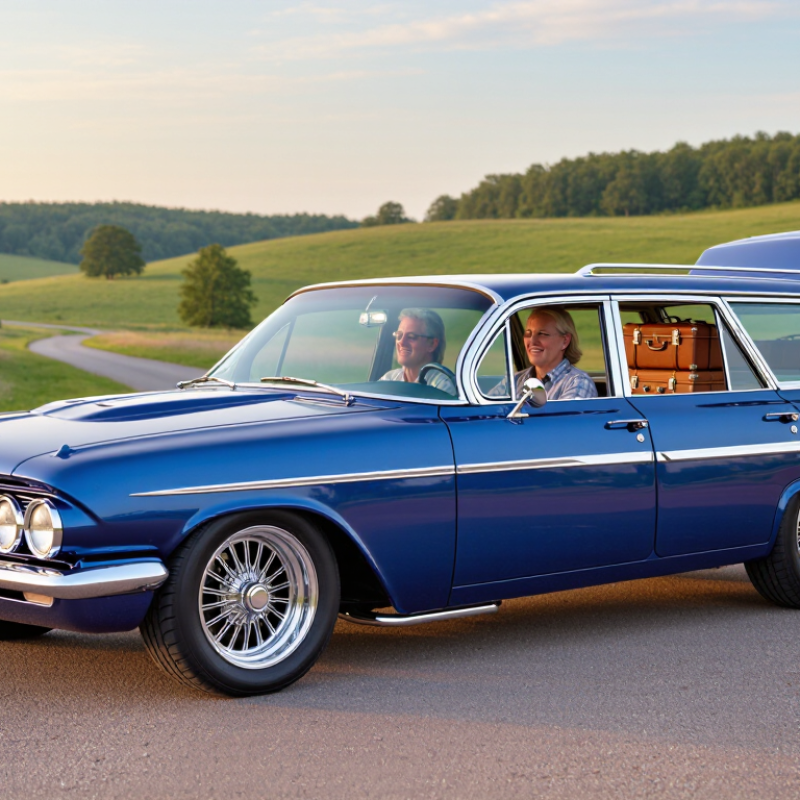
Define a Vintage Tourer: UK Historic Vehicle Tax Status Starts at 40 Years
A vintage tourer is usually understood through its age, open-air character and ability to cover distance at an unhurried pace. But “vintage” is not the same as a UK tax category. For historic vehicle tax status in 2026, a vehicle generally needs to have been built before 1 January 1986. The qualifying date moves forward over time, so the year it was registered may not tell the whole story. Check the build date and the vehicle’s records.
There is a practical distinction. Eligible vehicles can be placed in the historic tax class, which means zero vehicle tax, but the change is not automatic. The vehicle must also remain substantially unchanged; significant alterations can affect eligibility. Rules and exemptions can be nuanced, so confirm the details with current government guidance before buying. A dusty logbook helps. It is not proof by itself.
For a touring car, age is only one part of the decision. Look closely at the chassis, brakes, steering and signs of old repairs. Imagine a cold morning, damp seats and a long climb—not just a sunny photograph. I would leave room for doubt: “vintage tourer” can describe a style, not a precise legal definition. A car may qualify for historic tax treatment yet still need careful checks before it feels suitable for regular touring.
Compare Hagerty Values and Five-Year Auction Prices for Touring Models
For a 2026 purchase, compare published collector-car values with five years of auction results for similar touring models. A guide value offers a useful starting point, not a guaranteed sale price. Auction records show what buyers actually paid, but results can swing with condition, location, season, and bidding competition. Check several sales rather than relying on one standout result. Small sample sizes can mislead.
Match the details carefully. A well-preserved car with complete service records is not comparable to one needing an engine rebuild, even when both look polished in photographs. Note mileage, originality, restoration quality, and sale date. Convert older prices to today’s dollars before judging the trend. Then compare the current guide estimate with the recent auction range. A large gap deserves questions, not an automatic bargain label. It may reflect a rare specification, hidden repairs, or simply an unusually enthusiastic bidder. Inspect the car in person when possible, and budget for tires, fluids, and overdue maintenance. I would still treat any “best value” ranking cautiously; condition is often harder to price than the model itself. The numbers help. They do not replace a careful inspection.
What Is the Best Vintage Touring Car to Buy in 2026?
Illustrative comparison of estimated current guide values and five-year auction medians for anonymized touring-car types (USD).
How to read this: The figures are rounded category-level estimates, not verified quotes for specific models. Auction prices vary with condition, provenance, and sale venue; check current model-specific valuation guides and recorded sales before buying.
Rank Candidates by Period-Tested Range, Luggage Space, and Reliability
For a 2026 touring shortlist, I would rank a late-1970s diesel estate first, a large 1960s saloon second, and a compact 1970s estate third. The first offers the strongest luggage-to-range balance, if its original road test supports it. For example, 30 miles per gallon from a 12-gallon tank gives 360 theoretical miles, or about 306 miles with a 15 percent reserve. Treat that as a screening calculation, not a promise. Period road tests and factory handbooks are better evidence than modern owners’ anecdotes. Check the spare wheel, too; it can steal useful boot space.
For luggage, compare measured cargo volume and floor length with the rear seat upright. A boxy estate may swallow two hard cases and a cooler, while a saloon’s narrow opening can frustrate the same packing test. Reliability needs more caution. FIVA’s 2020 Global Survey examines historic-vehicle ownership and use, but it does not rank individual cars by failure rate. ADAC’s 2024 breakdown statistics are not a sound vintage-car league table either. I would favor documented servicing, available mechanical parts, and a cold-start inspection over reputation alone. Not glamorous. Still, a car that starts after a wet overnight stop matters more than an optimistic brochure figure. I would hesitate to call any candidate dependable without checking its cooling system and charging output.
Check Parts Availability and Specialist Repair Costs Before Buying
A vintage tourist car can look ready for a coastal drive, yet one missing trim piece may keep it off the road for months. Before buying, ask two specialist workshops to price the same likely jobs: brake overhaul, cooling-system service, and carburetor or fuel-system work. Then ask suppliers about actual stock, delivery times, and whether parts are reproductions or used. “Available” can mean back-ordered. Get that answer in writing.
SEMA’s 2023 U.S. market report estimated specialty-equipment sales at $52.3 billion in 2022. That signals a large aftermarket, not guaranteed support for older cars; broad market totals hide gaps in model-specific parts. The U.S. Bureau of Labor Statistics reported a $47,770 median annual wage for automotive service technicians and mechanics in May 2023. That is not a shop rate, but it reminds buyers that skilled labor has a real cost. Ask for an hourly estimate, minimum billing increments, and a written inspection scope. I would still budget for surprises: an attractive car can conceal seized fasteners, brittle wiring, or a prior repair that needs redoing. A cheap purchase may not stay cheap.
Estimate Ownership Costs Using Insurer Quotes, Fuel Prices, and Auction Fees
A vintage tourist car can look affordable at auction, yet the hammer price is only one part of ownership. Before bidding, request an insurance quote using the vehicle’s year, condition, estimated value, annual mileage, and storage arrangements. Ask whether the policy uses an agreed value, and check deductibles and usage limits. A quote based on a garage may not fit a car parked outdoors. Small detail, real cost.
Fuel needs a separate estimate. Use a realistic annual distance and the car’s observed consumption, not an optimistic figure from an old brochure. For example, 2,000 miles at 15 miles per gallon means about 133 gallons; multiply that by your local pump price. Add a reserve for tune-ups or inefficient trips. The arithmetic is simple. The real mileage is less certain.
Auction fees can change the budget sharply. Check the buyer’s premium, document charges, payment deadlines, and transport costs before setting your maximum bid. Fees may be calculated on the sale price, so confirm the auction’s current schedule rather than relying on a forum post. Add insurance, fuel, and fees to the purchase figure, then leave a repair cushion. My estimates would still be imperfect: condition, parts availability, and your driving habits can shift the total. A spreadsheet helps, but it cannot hear a cold engine misfire.