Blogs | Great Lakes Kwik Space

7 Best Salt Block Hydraulic Presses for Sale

A Salt Block Hydraulic Press can shape loose material into dense, consistent blocks, but the right machine depends on more than its advertised tonnage. Block dimensions, production volume, material characteristics, and available floor space all affect the choice. Small details matter. A compact workshop may value a simple, serviceable frame, while a larger operation may need repeatable cycles and easier loading.

This guide compares seven presses for sale using practical criteria: rated force, platen size, frame construction, controls, safety features, maintenance needs, and available support. Not just tonnage. A powerful press may still be a poor fit if its working area is too small or replacement parts are difficult to source. Buyers should also confirm whether a model suits their specific salt mixture and intended production process; product listings do not always provide enough detail.

The comparisons are a starting point, not a substitute for checking specifications with the manufacturer or supplier. Ask about operating requirements, installation, warranty coverage, and service access before committing. One limitation is unavoidable: no single press is best for every shop. Careful measurements and a realistic estimate of daily output can help narrow the options—and prevent an expensive mismatch.
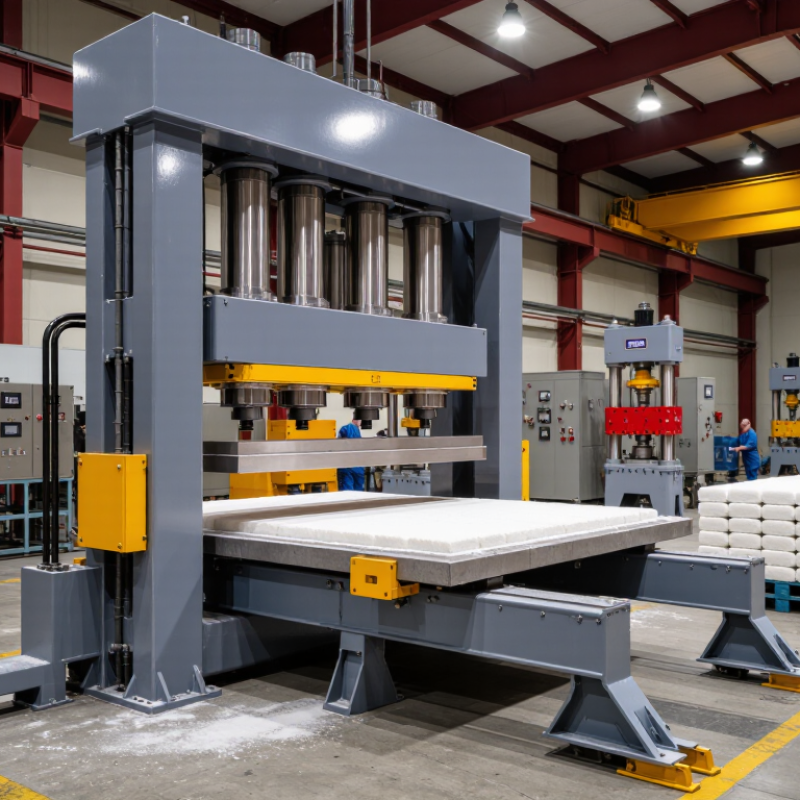
7 Best Salt Block Hydraulic Presses for Sale

What Salt Block Hydraulic Presses Are Designed to Do

7 Best Salt Block Hydraulic Presses for Sale

What Salt Block Hydraulic Presses Are Designed to Do

A salt block hydraulic press compresses prepared salt into a shaped, denser form. The hydraulic system applies force through a ram, while a die helps define the block’s dimensions. Depending on the machine and process, operators can adjust pressure and cycle time to suit the salt mixture. The press is not a drying system or a substitute for consistent raw material. If salt moisture or particle size varies, finished blocks may vary too. Small differences matter.

Tips: Check the press’s rated force, die size, and adjustment range before buying. Salt can encourage corrosion, so ask about suitable contact materials and cleaning procedures. Keep hands clear of the pressing area, and follow the machine’s operating instructions.

A well-matched press can help produce blocks with repeatable shapes for storage, handling, or a specified production process. Still, pressure alone does not guarantee quality. A block may crack after release if the mixture, mold, or pressing cycle is poorly matched. Test a small batch and inspect the edges, density, and surface before increasing output. That extra check takes time, but skipping it can waste material. A press should fit the actual process, not just the advertised production rate.

How Hydraulic Presses Form and Shape Salt Blocks

A hydraulic press shapes a salt block by compressing measured salt inside a rigid die. The ram applies force gradually, pushing grains together and reducing air pockets. The operator controls fill weight, moisture, pressure, and dwell time. Each variable affects edge strength and block density. Keep it controlled.

Too much moisture can make blocks sticky or uneven. Too little may leave fragile corners. A practical setup checks salt condition, die cleanliness, and press calibration before production. After pressing, blocks should be ejected without scraping or cracking. Small details matter. A little unevenness can remain, especially when salt grain size varies; that is a real process limitation, not something a higher pressure setting always fixes.

The U.S. Geological Survey’s Mineral Commodity Summaries 2024 estimates U.S. salt production at about 42 million metric tons in 2023. That scale reflects diverse salt uses and feedstocks, not a single block-making recipe. For buyers comparing salt block hydraulic presses for sale, rated force alone is a weak guide. Ask for the usable die dimensions, cycle controls, guarding, and test results using your salt. Not too fast. Record rejected blocks and their failure points; those notes can reveal whether the issue is the press, the die, or the material.

Key Specifications for Comparing Presses for Sale

When comparing salt block hydraulic presses for sale, match rated force to the block’s dimensions and target density. A high tonnage figure alone says little about uniform compression. Check platen size, stroke, daylight, working pressure, cycle time, and motor power. Ask for pressure readings across the platen, not only the pump’s maximum rating. The USGS Mineral Commodity Summaries 2024 estimates global salt production at about 270 million metric tons in 2023, but that broad market figure does not predict your line’s capacity. Small details matter. Confirm the quoted output using your salt’s moisture level and a representative trial batch.

Review frame stiffness, cylinder alignment, and access for cleaning. Salt can be abrasive and corrosive, so inspect wetted materials, seals, and protective coatings. Compare control options and safety guarding against ISO 4413:2010, which specifies general rules for hydraulic systems, and assess machine risk using ISO 12100:2010. Request drawings, service intervals, spare-part lead times, and a written acceptance test. I would not rely on a brochure’s cycle rate without knowing how it was measured.

Tips: Ask the supplier to press your actual salt mix and weigh several finished blocks for consistency. Check that operators can load and remove blocks without reaching into the danger zone. A modest press may suit irregular batches better than a larger machine; that trade-off is easy to overlook.

7 Best Salt Block Hydraulic Presses for Sale - Key Specifications for Comparing Presses for Sale

Compare these seven application-based press configurations by capacity, working area, and salt-resistant tooling requirements. Specifications are planning benchmarks, not verified specifications or current offers for particular machines.

Press Configuration Rated Force Typical Working Area Typical Ram Stroke Hydraulic System Pressure Best-Fit Use Salt-Block Buying Checks
1. Compact manual press 5–10 metric ton-force About 150–250 mm square About 100–150 mm Varies by hydraulic design; confirm rated pressure and relief setting Small-batch trials, mold testing, and low-volume production Check frame rigidity, mold clearance, guarding, and whether manual loading suits the intended workflow.
2. Bench electric-hydraulic press 10–20 metric ton-force About 200–300 mm square About 100–200 mm Often designed within roughly 16–25 MPa; verify the actual machine rating Pilot production with powered pressing and modest floor-space needs Confirm supply voltage, cycle controls, emergency stop, and cleanable product-contact tooling.
3. Small C-frame press 20–30 metric ton-force About 250–350 mm square About 150–250 mm Model-dependent; compare rated pressure, cylinder size, and force at the working point Single-mold work where access from multiple sides is useful Ask for a deflection rating; a C-frame can flex more than a closed-frame design under load.
4. Mid-range H-frame press 30–50 metric ton-force About 300–450 mm square About 150–300 mm Common design ranges vary; verify the pressure gauge and relief-valve specification General-purpose production with a larger mold or replaceable tooling Check platen parallelism, mold mounting, and safe access for loading and ejection.
5. Four-column production press 50–75 metric ton-force About 400–600 mm square About 200–350 mm Select from the press design; do not infer force from pressure alone Larger blocks, multi-cavity molds, or repeatable production batches Request a force-distribution check across the platen and confirm the mold's maximum load.
6. Guided high-force H-frame press 75–100 metric ton-force About 500–700 mm square About 200–400 mm Confirm rated working pressure, overload protection, and duty rating Higher-force applications requiring a rigid frame and guided platen movement Check guarding, interlocks, foundation requirements, and safe mold-change procedures.
7. Custom large-format press 100–150 metric ton-force About 600–900 mm square, subject to frame design About 250–500 mm Engineer to the required force, cylinder area, and machine duty cycle Large blocks, specialized molds, or integrated automated production lines Require a mold-load calculation, documented safety design, and a production trial using the intended salt mix.

Important comparison notes: Metric ton-force describes the press's rated force, not the pressure applied to the salt; pressure on the material also depends on the mold area. Salt can be corrosive, so request corrosion-resistant product-contact tooling—316 stainless steel is often preferred for chloride exposure—and confirm cleaning, drainage, seals, and hydraulic-oil separation. Final press capacity and cycle time depend on the salt mix, moisture, block dimensions, mold design, and required dwell time; verify these with a tooling and production trial.

Seven Salt Block Hydraulic Presses to Consider

A salt block press should deliver even, repeatable force without making mold changes difficult. Match its rated capacity to the block size and production volume, not just the largest number on its label. Check the frame, pressure gauge, platen alignment, and guarding before comparing prices. Salt can encourage corrosion, so smooth, cleanable surfaces and suitable mold materials matter. Small batches? A compact press may be easier to maintain.

Seven configurations are worth considering: a benchtop manual press for trials; a floor-standing manual press for modest runs; an electric-hydraulic model for repeated cycles; a single-column frame for straightforward access; a four-post frame for better platen guidance; an adjustable-stroke press for varied mold heights; and an instrumented press with pressure monitoring for process records. These choices overlap, and names alone do not guarantee performance. Ask suppliers for working-pressure ranges, platen dimensions, service requirements, and sample-cycle information. I would not assume the highest-capacity option is automatically the best fit.

Tips: Inspect the mold after a test cycle. Look for uneven edges, sticking, or cracks, then adjust fill weight and pressure gradually. Keep hands clear of the platen, follow the machine manual, and clean salt residue promptly. One detail is easy to miss: a press that is simple to load can still be awkward to clean.

7 Salt Block Hydraulic Press Sizes to Consider

Comparison of theoretical press force for seven cylinder bore sizes at a fixed hydraulic pressure of 20 MPa. Larger bores produce more force at the same pressure. These are calculated configurations, not specifications or rankings of particular products; actual press output may differ due to operating pressure, design, and mechanical losses.

Safety, Maintenance, and Operating Costs

A salt block hydraulic press should be judged by more than its purchase price. Check that the frame, pressure rating, and guarding suit the intended block size and production rate. Keep hands clear of the compression area, and use the press only as its operating instructions specify. A clear emergency stop matters. Salt dust can hide wear, so inspect the work area and moving parts regularly.

Maintenance is routine, but easy to underestimate. Wipe salt residue from surfaces after use; moisture can encourage corrosion and make buildup harder to remove. Check hoses, fittings, seals, and the hydraulic-fluid level according to the manufacturer’s schedule. Never investigate a suspected leak with bare hands, since pressurized fluid can cause serious injury. Stop the machine and have a qualified technician assess faults. Small leaks are not always small problems.

Operating costs include electricity, hydraulic fluid, replacement seals, cleaning time, and planned downtime. Ask sellers about service access and spare-part availability before comparing quotes. A cheaper press may cost more if routine parts take weeks to arrive. Also confirm what installation and operator training include. Actual expenses depend on duty cycle and conditions; estimates deserve scrutiny. That part is easy to miss. Keep records of service and energy use, then compare them with output. Judge the press by safe, consistent production, not peak force alone.

Highly Trusted Local Portable Storage Solutions Since 1990

Rob was always very honest and upfront about everything and took the time to explain everything I needed. 

Nayla gamez awesome

“highly recommended. They provided us with a great storage container with ontime services.”

Carlos Montano

“Bought a used container, its perfect, no leaks and in good condition.”

Dudley Pankoke

“Good service and prompt delivery. A great option for temporary storage at a decent price.”

Joe Ward

Portable Storage FAQ

CLICK HERE

Storage Container News

CLICK HERE

Join our mailing list to get the latest storage container inventory and offers