Choosing the best Insulated Metal Panels in 2026 depends on more than comparing price or advertised R-values. These factory-made assemblies combine metal facings with an insulating core, creating a finished wall or roof panel. Their performance still depends on the building design, panel joints, and installation quality. A high-performing specification can disappoint if seams are poorly sealed.
This guide explains how to compare options for warehouses, cold-storage facilities, commercial buildings, and other projects. It considers thermal performance, panel thickness, core type, fire-test documentation, weather resistance, finish choices, warranty terms, and manufacturer support. It also distinguishes published test data from claims that need closer review. Look for current technical documents and confirm that the tested assembly matches the intended application.
There is no universal winner. A panel suited to a heated distribution center may not fit a refrigerated room or a coastal building. Budget matters, but so do condensation control, maintenance access, and the experience of the installation crew. Small details count: a poorly treated corner or service penetration can undermine an otherwise sound envelope. That matters.
The comparisons ahead are meant to help readers build a practical shortlist, not replace project-specific engineering. Some specifications look decisive on paper, yet real-world conditions are messier. Before selecting a system, verify local project requirements, request written performance data, and discuss detailing with qualified design and installation professionals. A little skepticism helps.
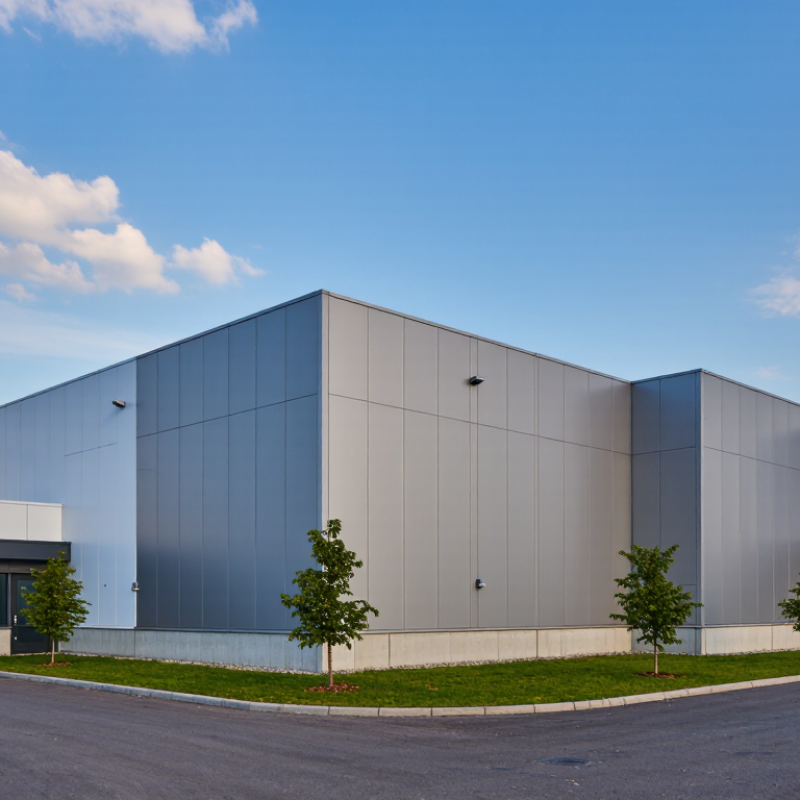
Insulated metal panels are factory-made building components with metal faces bonded to an insulating core. The outer and inner sheets protect the core and create a continuous wall or roof assembly. Depending on the design, the core may be made from foam or mineral fiber. Not quite. Panel performance depends on the complete assembly, not just the insulation material.
At the panel edges, shaped joints fit together to reduce air leakage and water entry. Installers connect panels to the building frame and seal joints around corners, windows, and doors. A snug joint can help limit drafts, while a poorly sealed seam may let moisture reach the interior. Small gaps matter. On a cold morning, that weak point can show up as condensation near a window or a chilly strip along a wall.
The metal skins provide a durable surface, but thermal bridges can occur where fasteners or framing pass through insulation. Panel thickness, core type, joint design, and installation quality all affect energy performance. Fire performance also varies by core and tested assembly, so project teams should review product data and relevant test documentation. A panel’s published rating alone does not describe every condition on site. Careful detailing still matters.
| Panel type or feature | How it works | Typical thermal resistance | Main advantages | Important considerations | Often a good fit for |
|---|---|---|---|---|---|
| Polyisocyanurate (PIR) core | A rigid foam core is bonded between metal facings. The foam slows heat flow, while the panel joints connect adjacent units and help form the wall or roof enclosure. | Approximately R-5.6 to R-7 per inch of core; actual panel and assembly values vary. | High insulation value for its thickness; relatively light; available in many wall and roof configurations. | Fire performance, smoke characteristics, aged thermal values, and code compliance must be checked for the specific tested assembly. | Projects prioritizing thermal efficiency and a relatively slim enclosure, subject to project fire and code requirements. |
| Mineral wool core | Inorganic fibers trapped between metal skins resist heat transfer. The panel’s joints and perimeter details still need to be designed to control air and water movement. | Approximately R-3.7 to R-4.3 per inch; verify the declared value for the selected panel. | Noncombustible core material can be useful where fire performance is a key design criterion. | Typically needs more thickness than higher-R foam to reach a similar insulation target; panel weight and structural support require review. | Buildings with demanding fire-safety criteria, when the tested assembly and local code support the design. |
| Expanded polystyrene (EPS) core | A lightweight cellular foam core provides insulation between the metal facings. Panel edges and seals are important to enclosure continuity. | Approximately R-3.6 to R-4.2 per inch, depending on product and test conditions. | Can provide a cost-conscious, lightweight insulation option in suitable panel systems. | Confirm fire-test results, approved uses, moisture details, and code acceptance for the complete wall or roof assembly. | Projects where the chosen EPS panel system meets the required thermal, fire, and building-code criteria. |
| Metal skins and panel joints | Factory-bonded metal facings protect the core. Interlocking edges, gaskets, sealants, and flashing details join panels and help manage air and water at connections. | Not expressed as a single R-value; joint design and installation affect whole-assembly performance. | Combines cladding and insulation in one prefabricated component and can speed enclosure installation. | Poorly designed or installed joints, openings, fasteners, and transitions can reduce air, water, and thermal performance. | Wall and roof enclosures where coordinated detailing and qualified installation are available. |
| Thickness and whole-assembly performance | A thicker core generally provides more insulation, but the installed result also depends on panel joints, fasteners, framing, penetrations, and boundary conditions. | Common panel thicknesses vary by system; many product lines offer options around 2 to 6 inches or more. | Thickness can be selected to help meet project energy targets and available space. | Compare declared panel values and tested assembly data on the same basis; do not assume core R-value equals whole-wall or whole-roof performance. | Any project with defined energy, condensation-control, structural, and code requirements. |
Values shown are general material-level ranges, not guarantees for a specific product or installed assembly. The best panel depends on the project’s climate, energy targets, fire and code requirements, structure, budget, and installation details. Check current test reports, product documentation, and local code requirements before specifying panels.
Rob was always very honest and upfront about everything and took the time to explain everything I needed.

“highly recommended. They provided us with a great storage container with ontime services.”
“Bought a used container, its perfect, no leaks and in good condition.”
“Good service and prompt delivery. A great option for temporary storage at a decent price.”