Choosing the right Foil Machine in 2026 requires more than comparing prices and production speed. Global buyers must examine foil width, heating control, stamping pressure, material compatibility, and service support. A machine that performs well in a supplier’s showroom may behave differently in a humid workshop or during an eight-hour production shift.
This guide reviews seven leading foil machines for international purchasing decisions. It considers practical details, including setup time, operator training, maintenance access, energy use, and replacement-part availability. These factors often influence long-term costs more than the initial quotation. They also affect delivery schedules when a heating element or control board fails.
Real production conditions matter.
The selection process also considers manufacturer experience, technical documentation, warranty terms, and customer feedback from different regions. Buyers should request sample tests using their own paper, film, leather, or packaging materials before placing an order. Certifications and electrical requirements must match the destination market. Import procedures, voltage standards, and local safety rules can vary significantly.
No ranking can suit every business. A compact model may serve a growing print shop better than a high-output industrial unit. Some published specifications may look impressive but lack independent verification. That limitation deserves attention. This overview aims to provide a balanced starting point, not a substitute for factory inspection or professional technical advice. With careful comparison, buyers can reduce avoidable risks and select equipment that fits their real workflow.
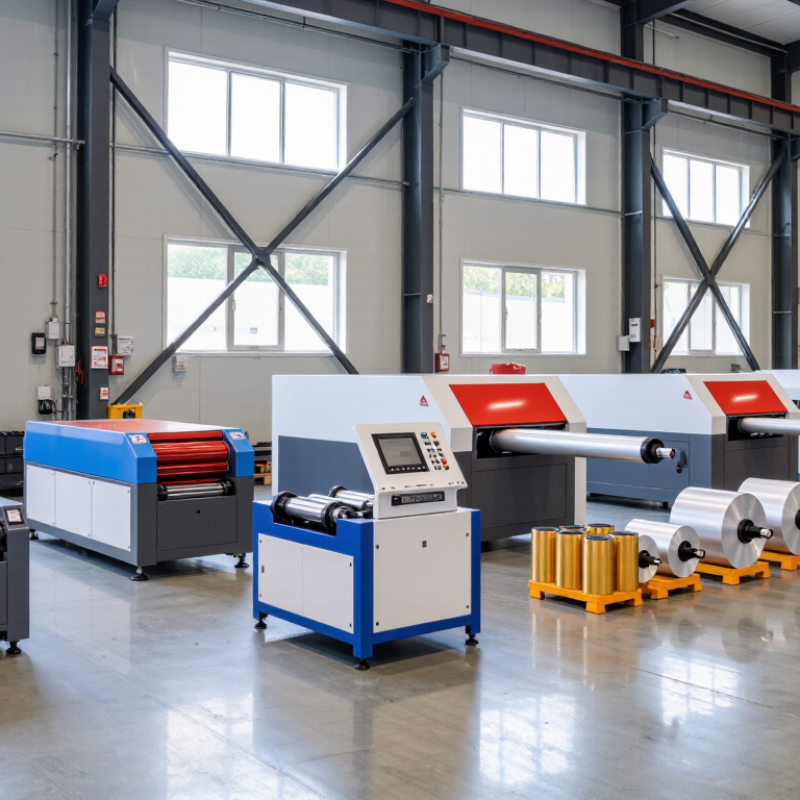
Foil machines transfer a thin metallic or pigment film onto paper, board, labels, plastics, and selected textiles. The result may look decorative, but the process is controlled engineering. In hot foil stamping, a heated die presses the foil against the substrate. Heat and pressure activate the release layer, while the adhesive bonds the pigment to the surface. Timing matters. Too little pressure creates gaps. Too much pressure can flatten fine details.
Cold foil systems work differently. They print an adhesive pattern first, apply foil from a roll, and cure the adhesive, often with ultraviolet light. Digital foil units may use toner or ink as the bonding layer. These machines reduce tooling needs, which suits short runs and variable designs.
Smithers’ 2024 analysis of global print finishing highlights continued investment in automation and value-added effects, especially for packaging and labels. Grand View Research also identifies packaging as a major demand area for foil-related finishing equipment.
Machine selection depends on more than maximum speed. Buyers should check foil width, roll diameter, heating range, registration accuracy, substrate compatibility, and waste control.
A practical production lesson is simple: test the actual stock before ordering. Coated board may need lower pressure than rough paper. Humidity can also change adhesion.
Even experienced operators sometimes blame the foil when the real problem is uneven feeding. The process looks simple. It is not always forgiving.
7 Best Foil Machines for Global Buyers in 2026
Choosing a foil machine requires more than comparing heating power and price. Test how evenly the platen or roller distributes pressure across a real sample. Uneven contact can leave pale corners, broken lines, or excessive foil waste. Temperature stability matters too. A machine that swings several degrees may damage delicate paper or produce inconsistent metallic coverage.
Check the working area against your usual product size, not an ideal project. A compact unit may suit invitations, while larger packaging needs deeper clearance and stronger pressure control. Compare adjustable temperature, dwell time, pressure settings, and production speed. Digital controls help, but simple controls can be more reliable in dusty workshops. Look closely at emergency stops, heat shielding, and accessible replacement parts.
Global buyers should confirm voltage, plug compatibility, manuals, warranty terms, and service response times. Ask whether the machine supports the foils and substrates you actually use. Request sample results before ordering. Photos can hide weak adhesion. Also calculate shipping, spare heaters, tooling, training, and downtime. The cheapest machine may cost more after repeated adjustments. I have found specifications useful, but hands-on testing reveals the uncomfortable gaps. No machine is perfect. Your workflow decides which compromise is acceptable.
The 7 Best Foil Machines for Global Buyers in 2026
The best foil machine depends on material, volume, finish, and available power. A compact tabletop hot-foil machine suits invitations, labels, and short production runs. It saves space, but its smaller working area limits larger jobs. A flatbed foil press offers stronger pressure and accurate registration for cartons, covers, and premium stationery. It usually needs more floor space.
A roll-to-roll hot-foil machine fits continuous labels and flexible packaging. Look for adjustable web tension, quick roll changes, and stable temperature control. A cold-foil unit works well with offset or flexographic lines. It can reduce heat exposure, though adhesive quality becomes critical. A digital foil printer supports variable names, numbers, and short personalized batches. Operating costs may rise with heavy coverage.
For high-volume work, a rotary foil machine delivers speed and consistent pressure. It requires skilled setup and careful cylinder selection. A pneumatic foil stamper provides strong, repeatable impressions on thicker paper, leather alternatives, and coated board. Check its air consumption before purchase. Many buyers overlook this detail. Global users should confirm voltage, plug standards, spare-part access, and operator training. Foil width, waste handling, temperature stability, and safety guarding also deserve close inspection. I would not choose the fastest machine automatically. Speed can hide registration problems, noisy operation, or difficult maintenance. Ask for sample runs using your actual substrate and foil before signing a purchase order.
Comparison of seven widely used foil-processing machine categories by typical maximum working width. Wider formats generally support larger packaging, labels, and commercial print applications.
The figures represent common commercial format classes rather than specific manufacturers. Actual working widths vary by machine configuration, substrate, tooling, and production requirements.
7 Best Foil Machines for Global Buyers in 2026
How to Choose the Right Foil Machine for Your Production Needs
Global packaging demand is becoming more decorative and customized. Smithers estimates the digital packaging print market will grow from about 22 billion dollars in 2023 to 36.9 billion dollars by 2028. This growth increases pressure on foil finishing equipment. Yet the fastest machine is not always the best choice.
Start with your materials. Test coated paper, labels, folding cartons, films, and recycled stocks before purchasing. Hot foil stamping suits premium details and firm substrates. Cold foil systems can support wider web production. Digital foil equipment offers short-run flexibility, but consumable costs may rise. Check maximum foil width, feeding accuracy, pressure control, and temperature stability. Small errors become visible on metallic text.
Think about changeovers. PMMI’s 2024 State of the Industry report identifies labor availability and operational flexibility as important packaging machinery concerns. A machine with tool-free adjustments can reduce dependence on highly trained operators. Measure real changeover time, not brochure claims. Ask for a sample run using your artwork and substrate.
Energy use also matters. Request power consumption at normal production speed. Confirm local voltage, safety certification, spare-part access, and operator training. ISO 12647-based color controls can improve repeatability, but foil appearance still depends on pressure and material. My first selection might favor higher speed. That can be a mistake. A slower machine with stable registration may produce less waste and better margins.
| Rank | Machine Type | Best Production Use | Compatible Materials | Maximum Format / Width | Typical Output | Heating Range | Foil Supply | Typical Power | Recommended Buyer | Selection Score |
|---|---|---|---|---|---|---|---|---|---|---|
| 1 | Automatic Flatbed Hot Foil Stamper | High-volume cartons, labels, greeting cards and commercial print finishing | Coated paper, board, laminated stock, synthetic sheets and selected plastics | Up to approximately 760 × 540 mm | 2,500–6,000 sheets/hour | 80–180°C | Roll-fed; pneumatic or servo foil advance | 8–18 kW | Commercial printers requiring repeatable, long-run production | 9.4 / 10 |
| 2 | Digital Foil Transfer Printer | Short runs, variable data, personalized packaging and proofing | Toner-based digital prints, coated paper, card, synthetic media and selected laminates | Up to approximately 330 mm wide | 8–30 m²/hour | Typically 80–140°C | Digital foil rolls; no stamping die required | 1.5–4 kW | Packaging studios and buyers with frequent job changes | 9.2 / 10 |
| 3 | Automatic Roll-to-Roll Foil Stamping Machine | Continuous labels, flexible packaging, decorative films and narrow-web products | Paper rolls, label stock, PET, BOPP, coated films and laminated webs | Web width approximately 250–650 mm | 20–80 m/min | 90–180°C | Continuous roll-to-roll foil feeding | 10–30 kW | Label converters and flexible-packaging producers | 9.0 / 10 |
| 4 | Semi-Automatic Flatbed Foil Stamper | Medium-volume stationery, book covers, folders and premium cards | Paper, board, leather, coated fabrics and suitable synthetic sheets | Up to approximately 560 × 400 mm | 800–2,000 sheets/hour | 60–160°C | Intermittent roll feed; manual sheet loading | 3–8 kW | Growing print shops balancing cost and flexibility | 8.7 / 10 |
| 5 | Pneumatic Hot Foil Stamping Press | Small batches, logos, bookbinding, leather goods and specialty work | Paper, board, leather, faux leather, wood-coated surfaces and selected plastics | Typical imprint area up to 150 × 200 mm | 300–900 impressions/hour | 60–200°C | Manual or intermittent foil roll feed | 1–3 kW | Workshops and businesses needing low-volume customization | 8.3 / 10 |
| 6 | Roller Foil Blocking Machine | Long strips, edge decoration, textile labeling and continuous narrow products | Paper, card, leather, fabric, coated film and flexible synthetic materials | Working width approximately 100–300 mm | 5–25 m/min | 70–160°C | Continuous or step-and-repeat foil roll feed | 2–7 kW | Buyers processing narrow or continuous materials | 8.0 / 10 |
| 7 | Manual Clamshell Foil Stamping Press | Prototypes, craft production, samples and occasional personalization | Paper, card, leather, faux leather, wood and compatible coated surfaces | Typical imprint area up to 100 × 150 mm | 100–400 impressions/hour | 50–180°C | Manual foil positioning or small roll holder | 0.5–1.5 kW | Start-ups, craft studios and low-budget users | 7.6 / 10 |
| Buying note: Actual performance depends on substrate, foil type, stamping area, die design, operator skill and job complexity. Confirm electrical voltage, safety certification, spare-parts support, die compatibility, installation requirements and after-sales service before purchasing. Output figures are representative ranges for comparable commercial equipment, not guaranteed machine specifications. | ||||||||||
Choosing among the 7 best foil machines for global buyers in 2026 requires more than comparing pressure, speed, and heating range. Shipping conditions can change the real purchase cost. Ask whether the machine ships in a reinforced wooden crate, includes moisture protection, and arrives with clear packing records. Paperwork matters. Confirm the HS code, invoice details, country of origin, and required import documents before payment. Delays are expensive.
Electrical compatibility deserves careful checking. A machine built for one voltage may need a certified transformer or factory adjustment. Request the rated voltage, frequency, plug type, power load, and safety documentation. Compliance requirements differ by destination, so buyers should verify local certification with an independent customs or electrical specialist. Do not rely on a sales message alone. I have seen technically strong equipment delayed because one document used inconsistent product descriptions.
After-sales support often separates a useful machine from an expensive problem. Look for a written warranty, remote troubleshooting, installation guidance, and spare-part availability near your region. Ask how quickly technical teams answer, not only whether support exists. A practical supplier should provide wiring diagrams, operating instructions, maintenance schedules, and training videos. Some buyers overlook consumable parts, such as heating elements and pressure pads. That is a mistake. Still, support promises can be difficult to measure before purchase, and even careful buyers may underestimate local repair costs. Request response-time targets and a complete replacement-parts list before choosing a model.
Rob was always very honest and upfront about everything and took the time to explain everything I needed.
“highly recommended. They provided us with a great storage container with ontime services.”
“Bought a used container, its perfect, no leaks and in good condition.”
“Good service and prompt delivery. A great option for temporary storage at a decent price.”

Join our mailing list to get the latest storage container inventory and offers