7 Tips for Choosing the Best Chlf Pump
Choosing a Chlf Pump is not just a matter of matching pipe size or comparing prices. The U.S. Department of Energy’s Improving Pumping System Performance sourcebook reports that pumping systems account for nearly 20% of global electricity demand. It also notes that pumps can use 25–50% of the energy in some industrial operations. Those figures are broad, not a prediction for every installation. Still, they show why a careful selection can matter.
Start with the actual duty point. Record the required flow, total head, liquid temperature, and operating hours. Check the fluid’s properties, too. A clear-water pump may not suit a liquid with solids or unusual chemical characteristics. Then compare the pump curve with the system curve, and confirm that the normal operating range fits the manufacturer’s recommendations. Small details matter. Pipe losses, suction conditions, and frequent starts can change performance in ways a catalog table does not show.
This guide covers seven practical checks, from materials and motor requirements to efficiency, maintenance access, and supplier documentation. Request a current performance curve and clarify the test conditions behind any quoted efficiency. Ask about seals, spare parts, and service support before purchase. A datasheet helps, but it cannot replace a site assessment. That limitation is easy to overlook. Use these tips as a screening framework, then have a qualified pump professional verify the final selection for your application.
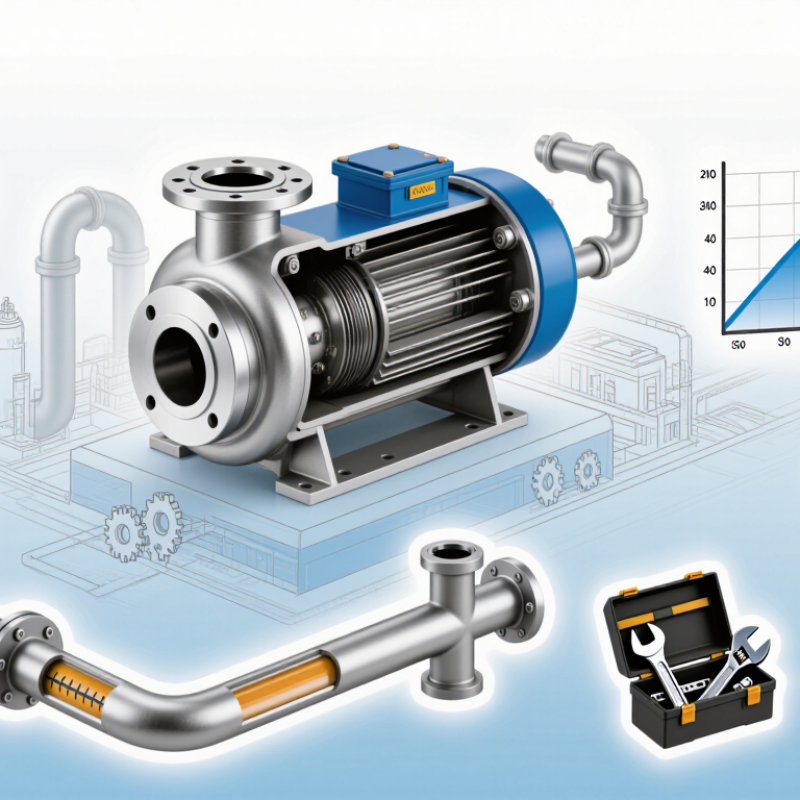
Understanding CHLF Pump Types and Their Typical Applications
CHLF pumps are generally horizontal, multistage centrifugal pumps designed to move clean liquids at steady pressure. Several impellers sit in series inside the casing. Each stage adds pressure, so the number of stages affects the pump’s operating range. Exact naming can vary between suppliers. Check the pump’s technical sheet, not just its model code.
These pumps commonly serve building pressure-boosting systems, equipment wash lines, and water circulation duties. They can also suit some filtration or reverse-osmosis feed systems when flow and pressure match the design. For warm water or mildly corrosive liquids, confirm the permitted temperature and wetted materials. A standard unit may not tolerate either. Most CHLF models are not self-priming, so the inlet must stay flooded or receive suitable priming arrangements. Avoid liquids with heavy solids or high viscosity unless the manufacturer confirms compatibility.
A practical selection starts with the required flow and pressure at the actual duty point. Check the pump curve against pipe losses, elevation, and any control valve. Check the curve. A common mistake is choosing by pipe connection size alone; it says little about performance. Also compare seal material, motor supply, and maintenance access. That matters. I would not assume the quietest-looking installation is correctly sized: poor sizing can cause noise, vibration, or frequent starts. Keep a little time for checking site conditions; that step is easy to rush.
Defining the Required Flow Rate, Head, and Operating Conditions
Define the required flow rate from the process, not from a pump’s maximum rating. Record the normal demand and any brief peak, such as a tank filling in six minutes. Small details matter. Estimate the total head by adding vertical lift, pressure needed at the outlet, and losses through pipe, elbows, valves, and filters. A narrow pipe or partly closed valve can add more resistance than expected. Check the pump curve at the intended flow; a high maximum head does not mean the pump can deliver that head at full flow. Measure it twice.
Operating conditions can shift the duty point. Note fluid temperature, viscosity, density, and any suspended particles, along with suction pressure and expected run time. These affect performance and material selection. For hot or viscous liquids, confirm the manufacturer’s correction data rather than relying on water ratings. Check that suction conditions provide adequate margin against cavitation, especially when the source tank is low or the inlet line is long. That changes everything. The first estimate is rarely perfect; field readings may reveal unexpected losses. Leave a reasonable operating margin, but avoid oversizing, which can cause excess energy use, noise, or unstable flow. Use measured conditions wherever possible.
Selecting Suitable Materials, Motor Power, and Energy Efficiency
Choosing a CHLF pump starts with the liquid, not the catalogue image. Check its temperature, acidity, and whether it carries grit or cleaning chemicals. Stainless steel may suit many clean-water duties, but material grade matters. Seals and elastomers need checking too. A mismatch can cause swelling, corrosion, or leaks. Small details count.
Motor power should match the pump’s actual duty point: required flow and total head. Read the performance curve, then compare it with pipe length, bends, elevation, and pressure needs. A larger motor is not automatically safer. It may draw more electricity while running away from its efficient range. Leave sensible operating margin, but avoid sizing by guesswork. Verify supply voltage and starting conditions with a qualified technician.
Energy efficiency depends on both the motor and the system. A well-sized pump, smooth piping, and a motor suited to its load can reduce wasted power. Variable-speed control may help when demand changes often, though it adds cost and setup considerations. Measure real operating hours if possible. Numbers can surprise you. One imperfect but useful step is to record flow, pressure, and power after installation, then revisit the selection if the readings differ from expectations.
Checking Installation Requirements, Maintenance Needs, and Reliability
7 Tips for Choosing the Best Chlf Pump
Before ordering, measure the available floor space and check pipe positions, power supply, and service access. Confirm the pump’s flow and pressure requirements against the actual system duty point. Check suction conditions and required NPSH to reduce cavitation risk. Leave room to work. A pump that fits on paper may be difficult to install beside a wall or beneath crowded pipework. Small details matter.
Review the fluid’s temperature, viscosity, and solids content, then confirm compatible wetted materials. Ask how often seals, bearings, and filters need inspection, and whether routine parts are easy to reach. Look for clear maintenance intervals and practical troubleshooting guidance. Keep a simple log of vibration, noise, leaks, and operating temperatures; changes can flag developing problems. A log is easy to neglect, though, so make recording part of a scheduled inspection.
For reliability, compare the proposed operating point with the pump curve, and avoid selecting a unit far larger than needed. The U.S. Department of Energy’s Improving Pumping System Performance sourcebook reports that pumping systems use nearly 20% of global electricity demand, with some industrial plants using 25–50% of their energy for pumping. That makes correct sizing and system checks important for both operating costs and dependable service. Ask suppliers for documented performance data, but verify it against site conditions. A polished specification sheet is not a substitute for checking the installation.
Comparing Supplier Support, Warranty Terms, and Total Ownership Costs
When comparing CHLF pump suppliers, look beyond the quoted price. Ask who checks the pump’s duty point, liquid conditions, and installation layout before recommending a model. A useful reply should address your actual flow and pressure needs, not just send a catalogue page. That matters. If a seal leaks or the pump runs noisily, clear troubleshooting steps and access to replacement parts can reduce downtime. Ask about support hours, response times, and whether help is available remotely or on site. Keep the answers in writing.
Read the fine print. Warranty periods can sound generous, yet exclusions may cover wear parts, incorrect installation, or operation outside specified limits. Confirm when coverage begins and who pays for inspection, shipping, and labor. Request the terms before ordering, then compare them line by line. Total ownership cost also includes electricity, routine maintenance, spare seals, and the cost of unplanned stoppages. A slightly higher purchase price may be reasonable if service is dependable and parts are readily available. But that is not automatic. Estimate costs using your expected operating hours and local energy rates; if those figures are uncertain, say so and compare a range rather than pretending the estimate is exact.
7 Tips for Choosing the Best Chlf Pump
Compare supplier support, warranty coverage, and five-year ownership costs—not just the purchase price.
How to use this chart: These illustrative USD figures show how purchase price, energy, maintenance, downtime, and repairs outside warranty can affect total cost. They are a planning example, not supplier quotes. Replace them with your own pump specifications, operating hours, energy rates, service terms, and warranty exclusions before deciding.