Choosing the best Motor Vehicle Inspection services worldwide in 2026 requires more than comparing prices or appointment times. Reliable inspection protects drivers, passengers, pedestrians, and the environment. It also reveals problems that may remain invisible during a short test drive.
This guide examines inspection providers through practical experience, technical expertise, and public credibility. It considers examiner training, equipment calibration, reporting clarity, customer access, and service consistency. A strong facility checks braking response, tire condition, steering play, lighting, emissions, and electronic safety systems. Electric and hybrid vehicles require additional care, especially around battery condition and high-voltage components. Modern vehicles may also need accurate ADAS testing, including camera and radar alignment.
Standards differ between countries and even between testing centers. That matters. A highly rated service in one region may not offer the same depth elsewhere. We therefore look beyond promotional claims and consider inspection records, accreditation, customer feedback, and published procedures. Transparent results are essential, particularly when a report identifies costly repairs.
No inspection program is flawless. Human judgment can vary, equipment can age, and confusing reports can weaken customer confidence. Some providers still explain technical findings poorly. That deserves criticism and improvement. Our selection aims to recognize services that combine dependable processes with honest communication. The final choices are intended to help vehicle owners make informed decisions, whether they need a routine roadworthiness check, a pre-purchase assessment, or specialized testing for newer vehicle technologies.
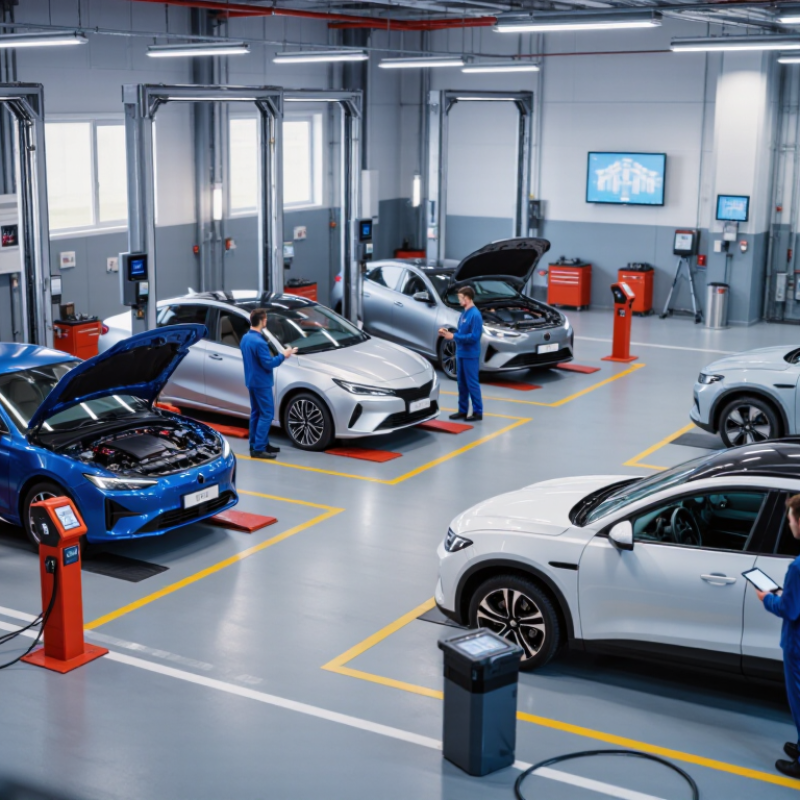
2026 Best Motor Vehicle Inspection Services Worldwide
The need for reliable vehicle inspection is measured in lives, not paperwork. The World Health Organization’s Global Status Report on Road Safety 2023 records about 1.19 million road deaths each year. It also estimates that 20–50 million people suffer non-fatal injuries. Low- and middle-income countries carry approximately 92% of these deaths, despite owning fewer vehicles.
Effective inspection services should examine brakes, tyres, steering, lights, suspension, emissions, and visible structural damage. A technician should record measured results, not simply mark pass or fail. The inspection bay should use calibrated brake testers, headlamp alignment equipment, and certified emissions tools. The International Motor Vehicle Inspection Committee promotes consistent testing procedures because small defects can become serious at highway speed.
Vehicle age matters. Rubber tyres can develop cracks, and brake fluid can absorb moisture. These details are easy to overlook during a quick roadside check. A clean certificate is not proof of safe driving. Inspection programs cannot correct reckless behavior, poor road design, or weak emergency response. That limitation deserves more honesty.
The WHO also reports that road crashes create major economic losses, costing many countries up to 3% of gross domestic product. For fleet operators and private owners, digital records can improve traceability. However, software does not replace a skilled inspector’s judgment. The best services combine transparent procedures, trained personnel, independent oversight, and clear repair guidance.
Global Safety Need: WHO Reports 1.19 Million Annual Road Deaths
Road traffic injuries cause approximately 1.19 million deaths worldwide each year. According to WHO global estimates for 2021, vulnerable road users—including pedestrians, cyclists, and powered two- or three-wheeler users—accounted for about half of all road traffic deaths. Effective vehicle inspection and enforcement can help identify safety defects and support safer roads.
Source: World Health Organization, Global Status Report on Road Safety 2023. Percentages are global estimates for 2021 and may not total exact country-level distributions.
Reliable inspection begins with independence. ISO/IEC 17020 requires inspection bodies to control impartiality, competence, and documented procedures. That matters when a technician checks brake imbalance, steering play, tire depth, and emissions under pressure. The 2023 WHO Global Status Report on Road Safety records about 1.19 million annual road deaths. Consistent inspection can address several preventable vehicle faults, although it cannot replace safe driving or road maintenance.
UNECE regulations provide practical benchmarks for lighting, braking, noise, and vehicle construction. Inspectors should also verify local adoption, because requirements differ across jurisdictions. OBD-II data adds a useful electronic layer. A scan may reveal stored fault codes, readiness monitors, or repeated emissions failures within seconds. It is not magic. A cleared code can hide recent repair history, and a weak battery can distort results. Experienced teams compare scan data with physical evidence, service records, and measured exhaust values. That judgment is where many services remain imperfect.
Ask for the inspection body’s ISO/IEC 17020 accreditation scope, not only a certificate logo. Confirm which UNECE rules or national tests apply. Request the OBD-II code printout, monitor status, measured readings, and photographic evidence. The European Commission’s road-safety reporting repeatedly identifies vehicle condition as one part of a wider safety system. Treat digital results as clues, not final proof.
A strong inspection workflow begins with vehicle identity and condition records. Inspectors confirm the registration details, mileage, and visible damage before testing. This protects the driver and keeps the report traceable. Safety checks then cover brakes, tires, steering, suspension, lights, glazing, mirrors, and seat belts. Small defects matter. A cracked lamp or uneven tire wear can reveal deeper maintenance problems.
Emissions testing requires controlled equipment and careful preparation. The engine should reach its normal operating temperature before measurement. Technicians may check exhaust gases, onboard diagnostic data, and visible smoke, depending on local requirements. Calibration records should be available for every analyzer. Readings need context, because weather, fuel quality, and recent repairs can influence results. A rushed test can create false confidence.
Roadworthiness testing connects these findings with real driving risks. Inspectors examine structural corrosion, wheel alignment, doors, emergency equipment, and underbody components. A short road test may expose pulling, vibration, or weak braking that stationary checks miss. The best services use trained personnel, documented procedures, and clear pass-or-repair explanations.
No workflow is perfect. Human judgment can vary, especially when a defect sits near the acceptance limit. Independent review and photographic evidence can reduce that weakness. My own inspection experience has shown that clean paperwork does not always mean a healthy vehicle.
Choosing a motor vehicle inspection service requires more than comparing prices.
Accuracy should lead the assessment. Look for calibrated testing equipment, trained inspectors, clear defect photographs, and repeatable procedures.
A reliable report should explain why a vehicle passed or failed. Vague wording creates doubt. Ask whether quality checks review a sample of completed inspections. Even experienced teams can miss details, especially during busy periods.
Accreditation adds professional confidence, but the certificate deserves careful reading.
Check the issuing body, current validity, inspection scope, and assessor qualifications. A provider may hold accreditation for commercial vehicles but not private cars or electric systems. That difference matters.
Independent oversight is useful. Still, accreditation alone cannot guarantee perfect field performance. Request a sample report before choosing.
Coverage affects convenience and consistency.
Compare service locations, supported vehicle types, mobile inspection options, and regional availability. A broad network may help fleet operators, while local specialists may offer deeper knowledge.
Turnaround should include appointment time, inspection duration, and report delivery. Ask about peak-season delays and urgent requests. Digital reports can arrive quickly, but speed should not replace careful evidence.
In practice, the best comparison often involves testing one provider with a low-risk inspection first. That small trial may reveal communication gaps that polished websites hide.
Government agencies remain the strongest reference for motor vehicle inspections worldwide. They define safety rules, testing intervals, and acceptable emissions limits. Their centers usually verify brakes, steering, lights, tires, seat belts, and vehicle identity. A brake roller, emissions probe, and underbody lift reveal problems drivers may not notice.
Independent technical inspection organizations add deeper engineering expertise. Their trained inspectors often use calibrated equipment and documented procedures. Certified private laboratories can support specialized checks, including electronic systems, crash repairs, noise levels, and imported vehicles. Their reports become more reliable when they include measurements, photographs, equipment dates, and inspector credentials. Still, no system is perfect. Busy centers may create rushed conversations, and digital records can contain small errors.
Tips: Choose an authorized facility with visible accreditation. Ask whether testing equipment was recently calibrated. Bring ownership documents and previous inspection records. Watch for clear explanations, not vague warnings. Request the exact failed measurement when a vehicle does not pass. A second professional opinion can help, especially after expensive repairs. Personal experience matters too: a clean report does not guarantee future safety, because tires age and warning lights can appear suddenly. Inspectors should remain independent, while owners should remain attentive.
Rob was always very honest and upfront about everything and took the time to explain everything I needed.
“highly recommended. They provided us with a great storage container with ontime services.”
“Bought a used container, its perfect, no leaks and in good condition.”
“Good service and prompt delivery. A great option for temporary storage at a decent price.”

Join our mailing list to get the latest storage container inventory and offers